Details
Summary
- Instrument:
- Piano
- Ensembles:
- Orchestra
- Genres:
- Romantic Period
- Composers:
- Johannes Brahms
- Publishers:
- Breitkopf and Haertel
- Series:
- Breitkopf Orchestral Library
- ISBN:
- 9790004300695
- Format:
- Part
- Item types:
- Physical
- Musical forms:
- Concerto
- Artist:
- Johannes Brahms
- Usages:
- School and Community
- Size:
- 10 x 12.5 inches
- Number of Pages:
- 8
- Shipping Weight:
- 0.83 pounds
Detailed Description
SKU: BR.OB-3210-15
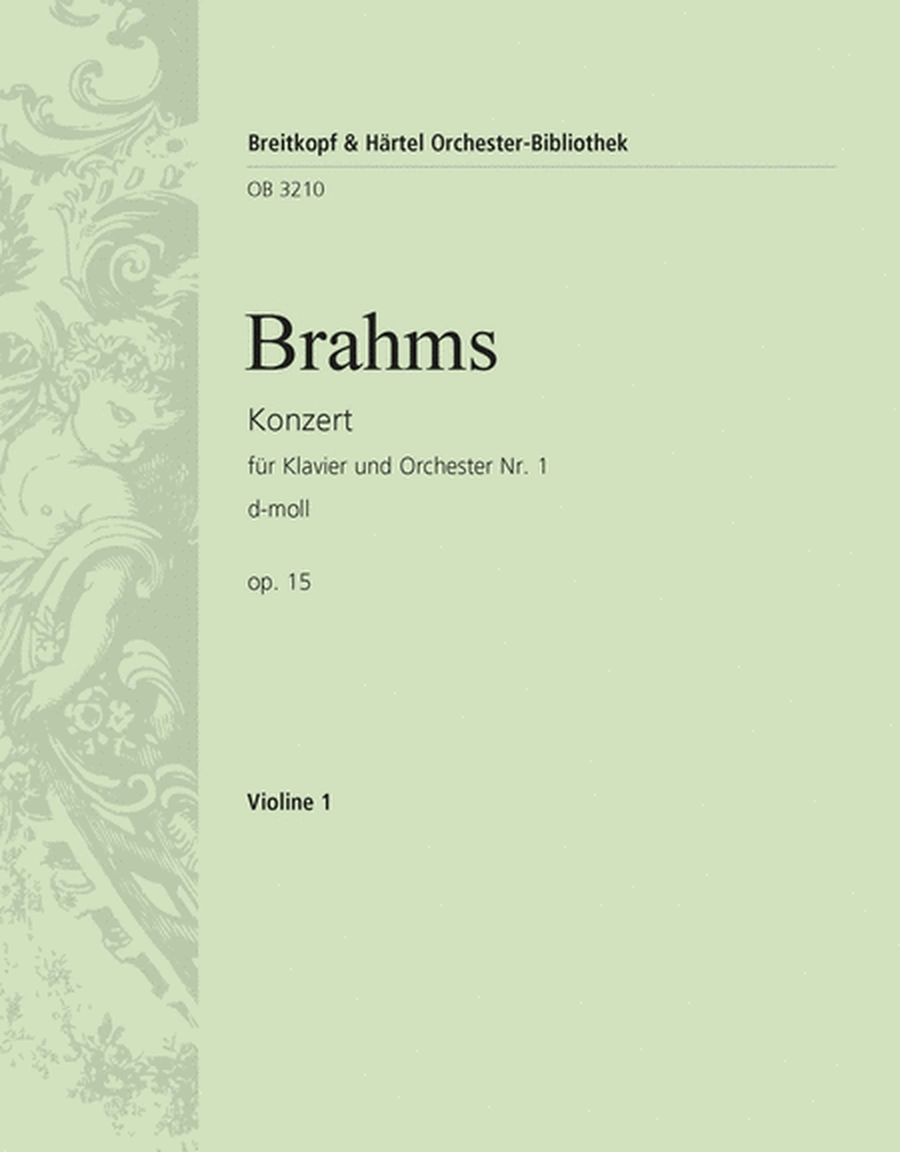
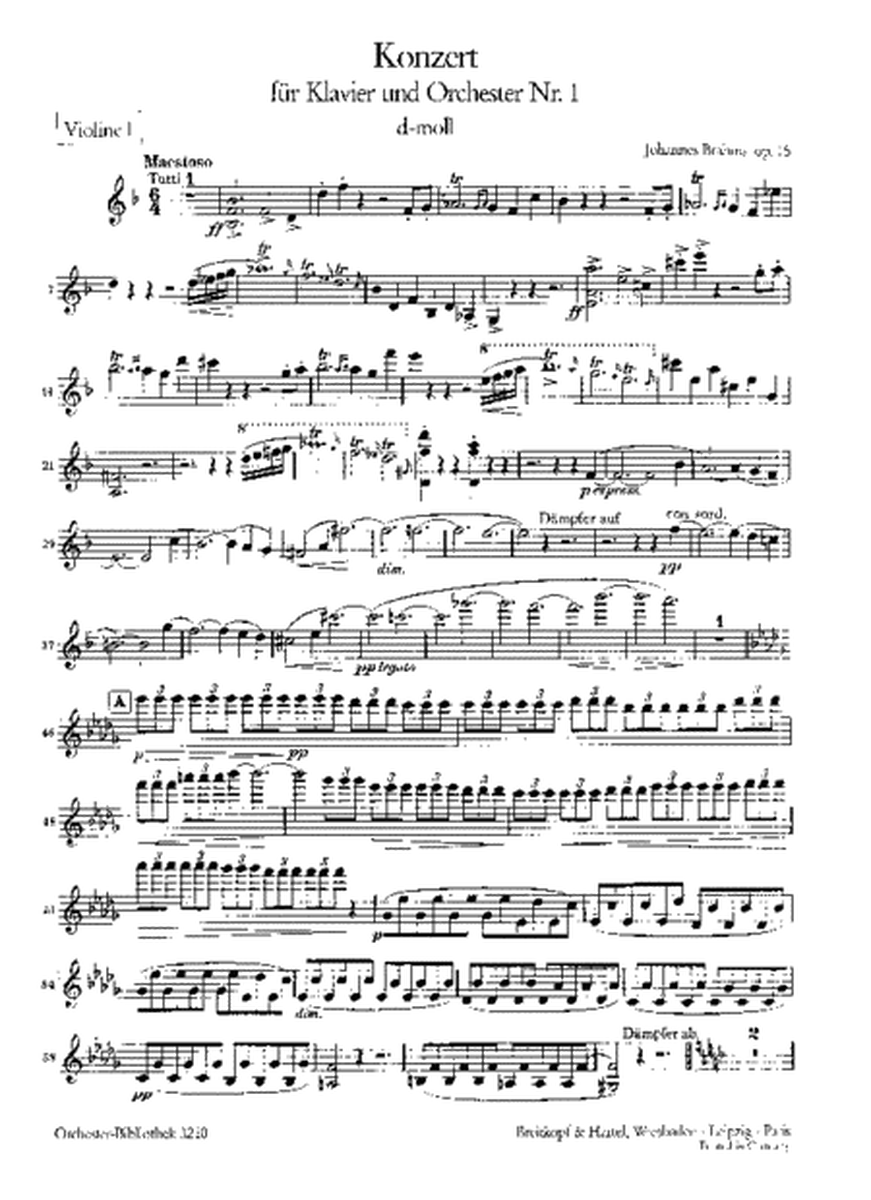
Urtext based on the Brahms Complete Edition of the Gesellschaft der Musikfreunde in Vienna. Composed by Johannes Brahms. Orchestra; stapled. Orchester-Bibliothek (Orchestral Library). Solo: pno - 2.2.2.2 - 4.2.0.0 - timp - str. Solo concerto; Romantic. Part. 8 pages. Duration 43'. Breitkopf and Haertel #OB 3210-15. Published by Breitkopf and Haertel (BR.OB-3210-15).ISBN 9790004300695. 10 x 12.5 inches.
Johannes Brahms' first Piano Concerto was the fruit of a complex, protracted, and extremely trying creative process. Its origin goes back to a sonata in D minor for two pianos conceived in spring 1854. The impulse for the creation of the main subject was however a shocking event: According to Joseqph Joachim, the theme originated "after hearing about Schumanns suicide attempt." A few months earlier, Schumann had revealed Brahms to the musical world in his essay "New Paths". In this article, Brahms is extolled as the musician who "is called to give expression to the feeling of his times in an ideal fashion." The unusually rapid genesis of the D-minor sonata and its prevailingly dark, monumental mood can be interpreted as an impassioned compositional response to Schumann's suicide attempt. However, the year-long struggle to arrive at the final form of the work should perhaps also be seen in the context of the resounding praise of Schumann's prophetic article. Brahms undoubtly felt a growing inner pressure to live up to the expectations aroused therein.Together with Clara Schumann, Brahms played the three so far existing movements of the sonata, but he was very self-critical. He felt that he had not been able to realize the monumentality he had envisioned, and which Clara Schumann felt, by merely doubling the piano sound. He soon decided to transform the sonata into a symphony (his first orchestral project). However, this idea did not seem to fit his vision either. Only in spring 1855 did he strike upon the definitive solution: a piano concerto. With Brahms as soloist, this concerto premiered in 1859, though he initially had little success. He wrote to Joachim about one of the first performances that the concerto was a "brilliant and unmistakable - failure." This hardly surprised Brahms, for he was undoubtedly aware of the newness of the work, which surpassed the expectations of the audience. The work's complex structure and symphonic dimensions, the solo part's rejection of showy, elegant brilliance, and the uniquely Brahmsian orchestral density it maintains throughout; all of these qualities inevitably exasperated audiences at first - until they raised this work to the ranks of the most celebrated concertos of all time.
Similar Sheet Music & Digital Downloads
- More by this Composer:
- Johannes Brahms Johannes Brahms Choir Johannes Brahms Voice Johannes Brahms Piano, Vocal
- Series:
- Breitkopf Orchestral Library
- Instrument:
- Piano and Keyboard Piano
- Artists:
- Johannes Brahms
- Ensemble:
- Orchestra
- Publisher:
- Breitkopf and Haertel