About Cat Stevens
Cat Stevens, born Steven Demetre Georgiou and later known as Yusuf Islam, is a British singer-songwriter whose distinctive voice and introspective lyrics defined a generation. His primary musical style blends folk, rock, and pop, evolving later in his career to include Islamic music. Recognized as one of the most influential singer-songwriters of his era, he is celebrated for his timeless melodies and profound contributions to the folk-rock movement of the late 1960s and 1970s. He has sold over 100 million records and his songs have amassed more than two billion streams.
- In 1968, Cat Stevens contracted tuberculosis, a potentially fatal illness, which led to a period of intense introspection and a significant transformation in his songwriting, resulting in a more intimate and acoustic sound.
- After a near-drowning incident in Malibu in 1975 and a profound spiritual journey, he converted to Islam in 1977, adopting the name Yusuf Islam in 1978, and subsequently retired from pop music for almost three decades to dedicate himself to educational and charitable endeavors.
- He was inducted into the Rock and Roll Hall of Fame in 2014, recognizing his immense impact on music. He also received ASCAP songwriting awards in 2005 and 2006 for his classic song "The First Cut Is the Deepest," which has been a hit for four different artists.
- He chose the stage name "Cat Stevens" partly because a girlfriend commented that he had eyes like a cat, and also because he believed it would be more memorable than his birth name, Steven Demetre Georgiou.
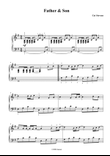
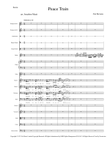
Cat Stevens' sheet music offers a deeply rewarding experience for musicians of various skill levels, particularly those interested in performing on guitar, piano, and with vocals. Many of his arrangements are available at an easy to medium difficulty, making them accessible for both beginners and intermediate players. His compositions are characterized by beautiful, enduring melodies and thoughtfully crafted, often poetic lyrics, providing a rich interpretive canvas for singers. Guitarists and pianists will find joy in his characteristic chord progressions and melodic lines, which faithfully capture his iconic folk-rock sound. Performing his music allows artists to connect with universal themes of peace, self-discovery, and spiritual yearning, ensuring each rendition is a reflective and moving journey.