World's Largest Sheet Music Selection

19970090
Hodie beata Virgo Maria
19970090
19970090
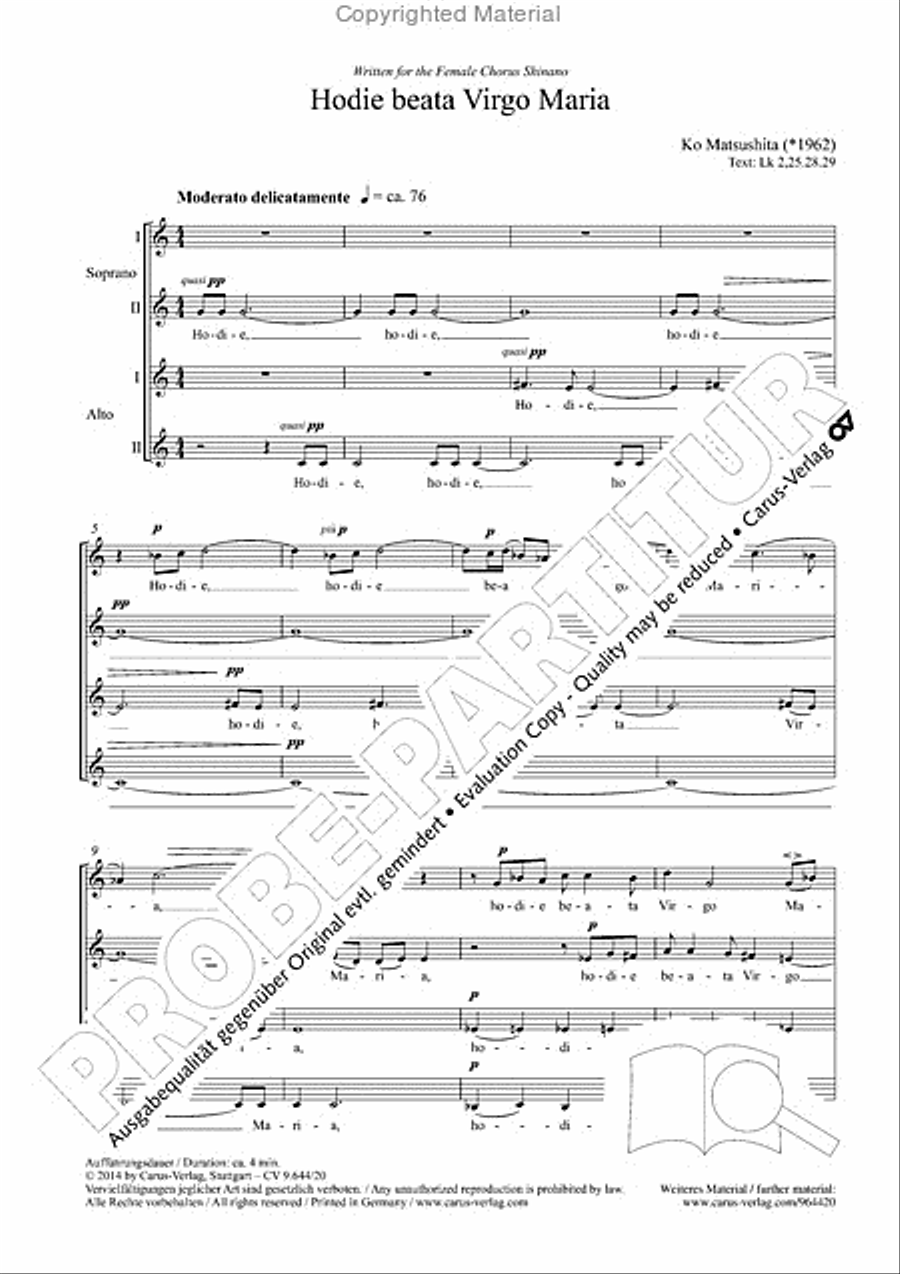
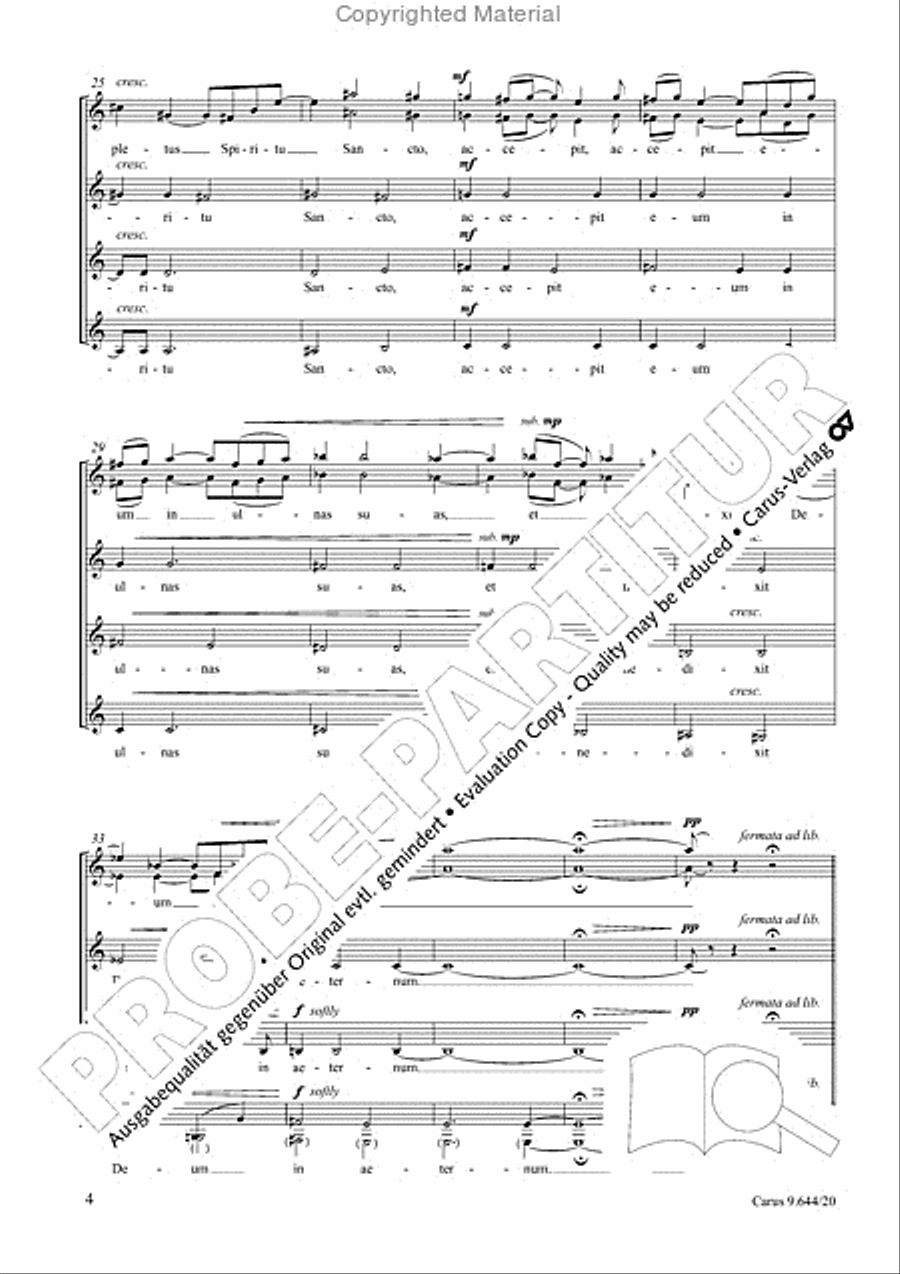
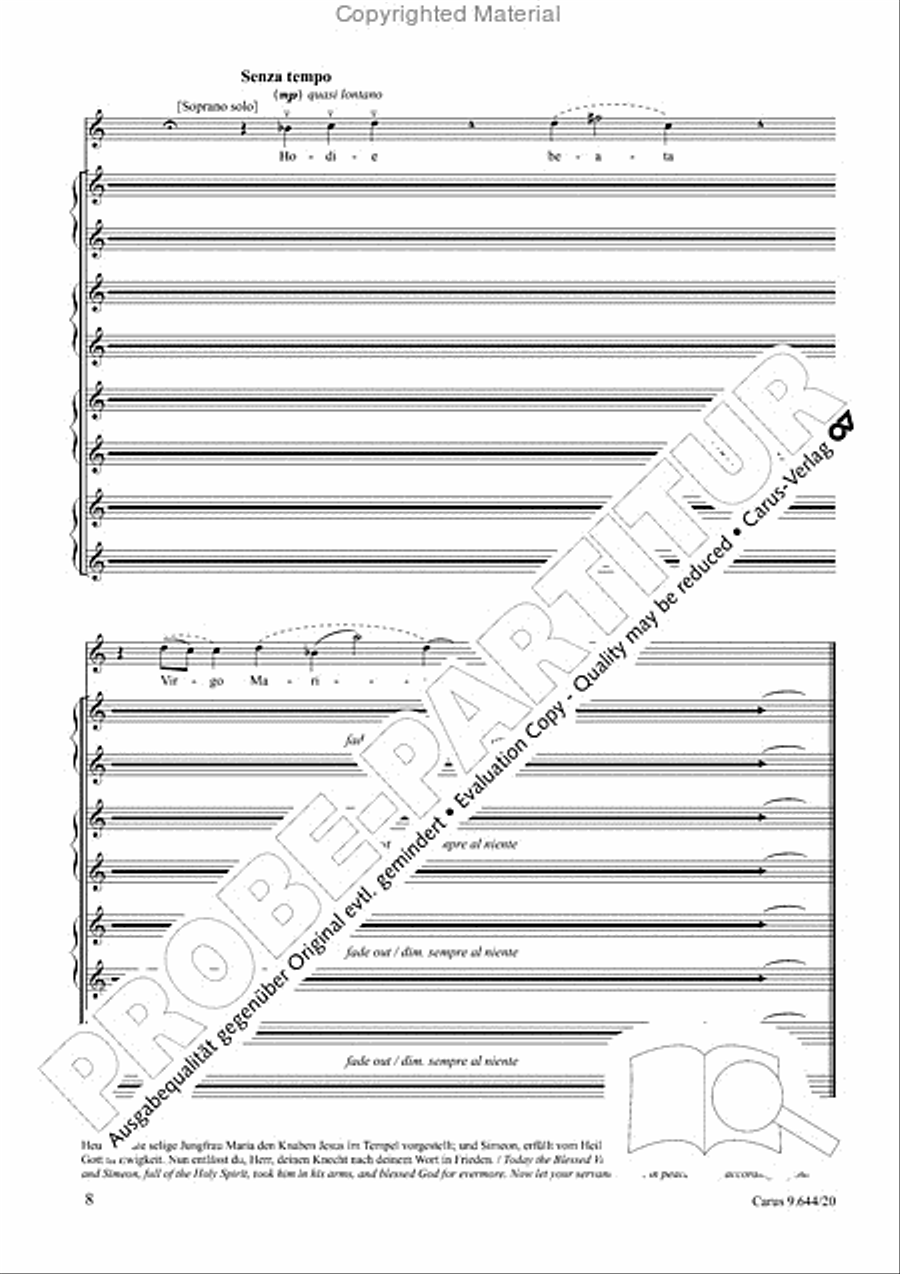
Hodie beata Virgo Maria 4-Part scores gallery preview page 1
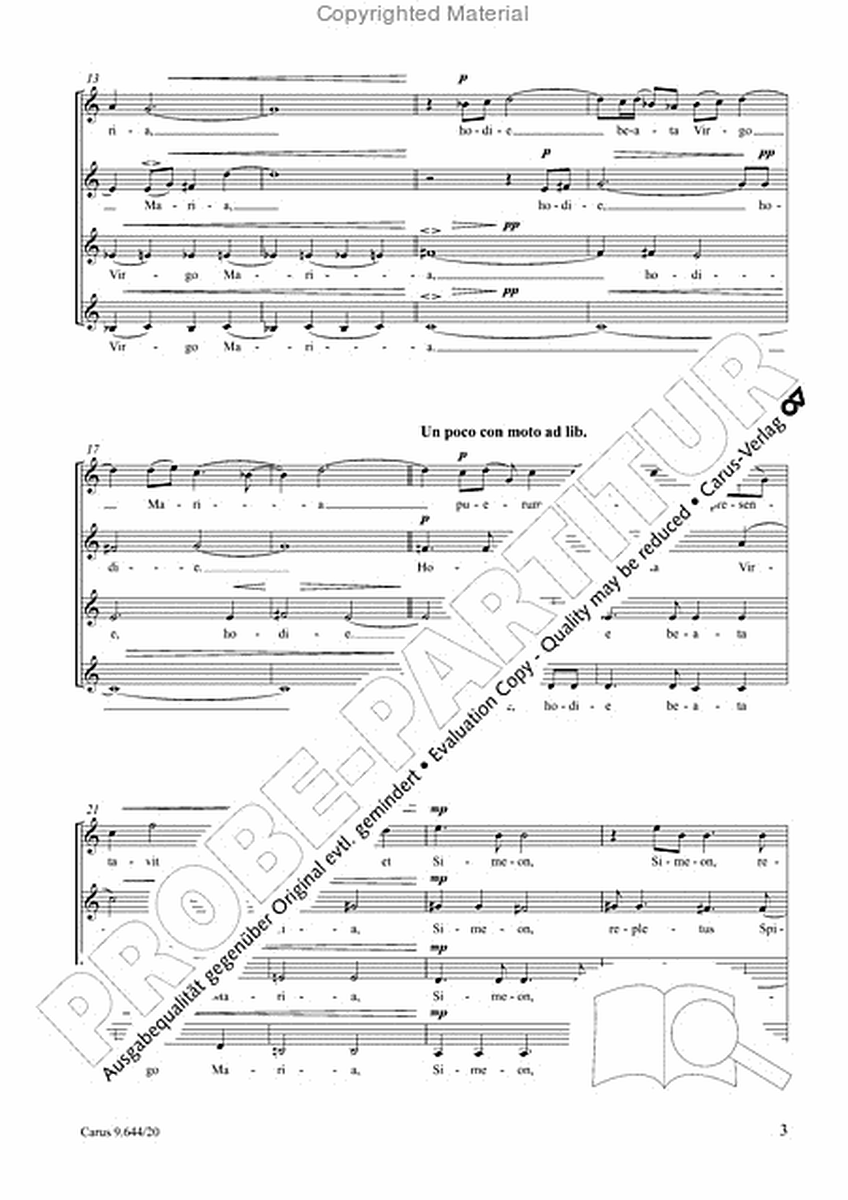
Hodie beata Virgo Maria 4-Part scores gallery preview page 2
Hodie beata Virgo Maria 4-Part scores gallery preview page 3
Hodie beata Virgo Maria 4-Part scores gallery preview page 4
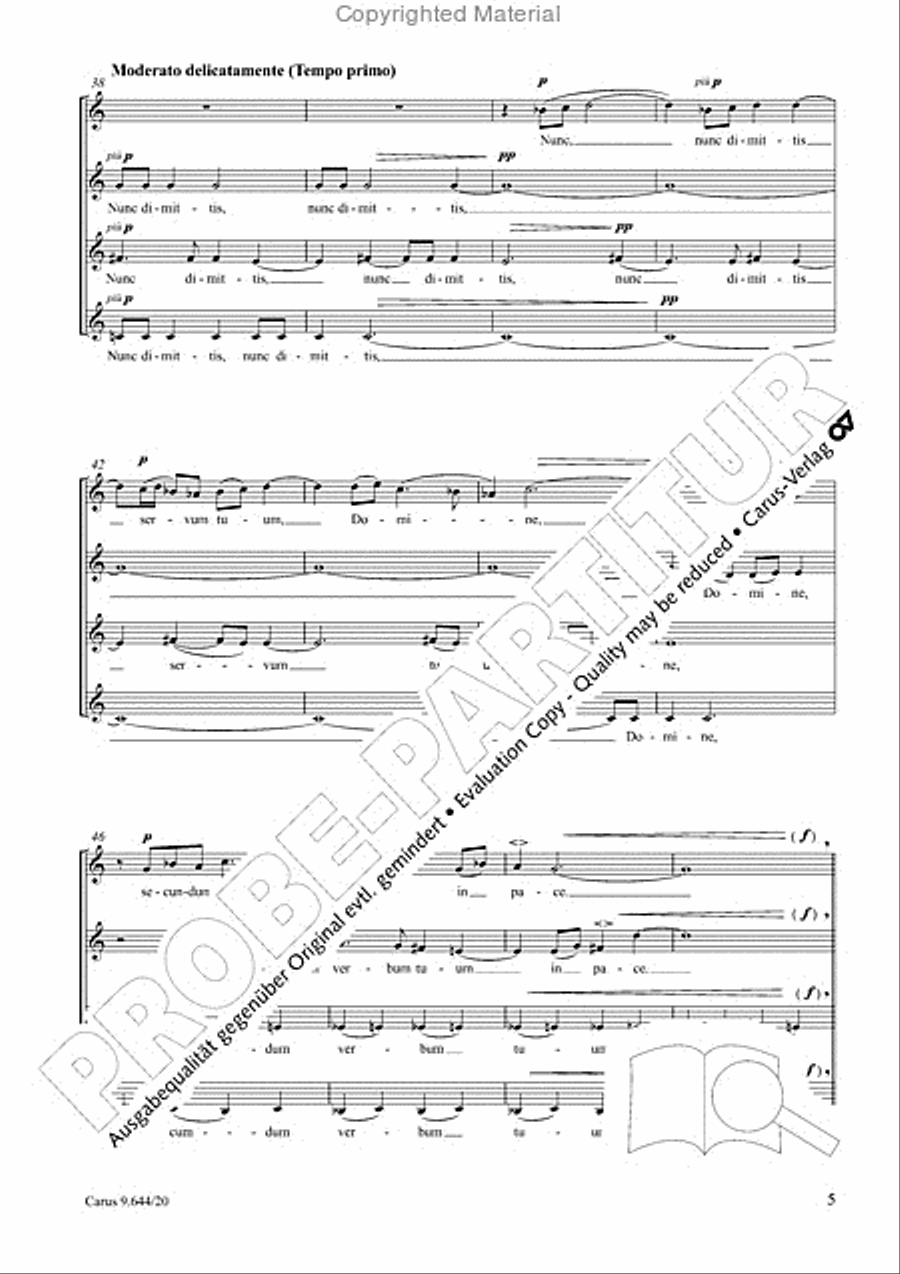
Hodie beata Virgo Maria 4-Part scores gallery preview page 5
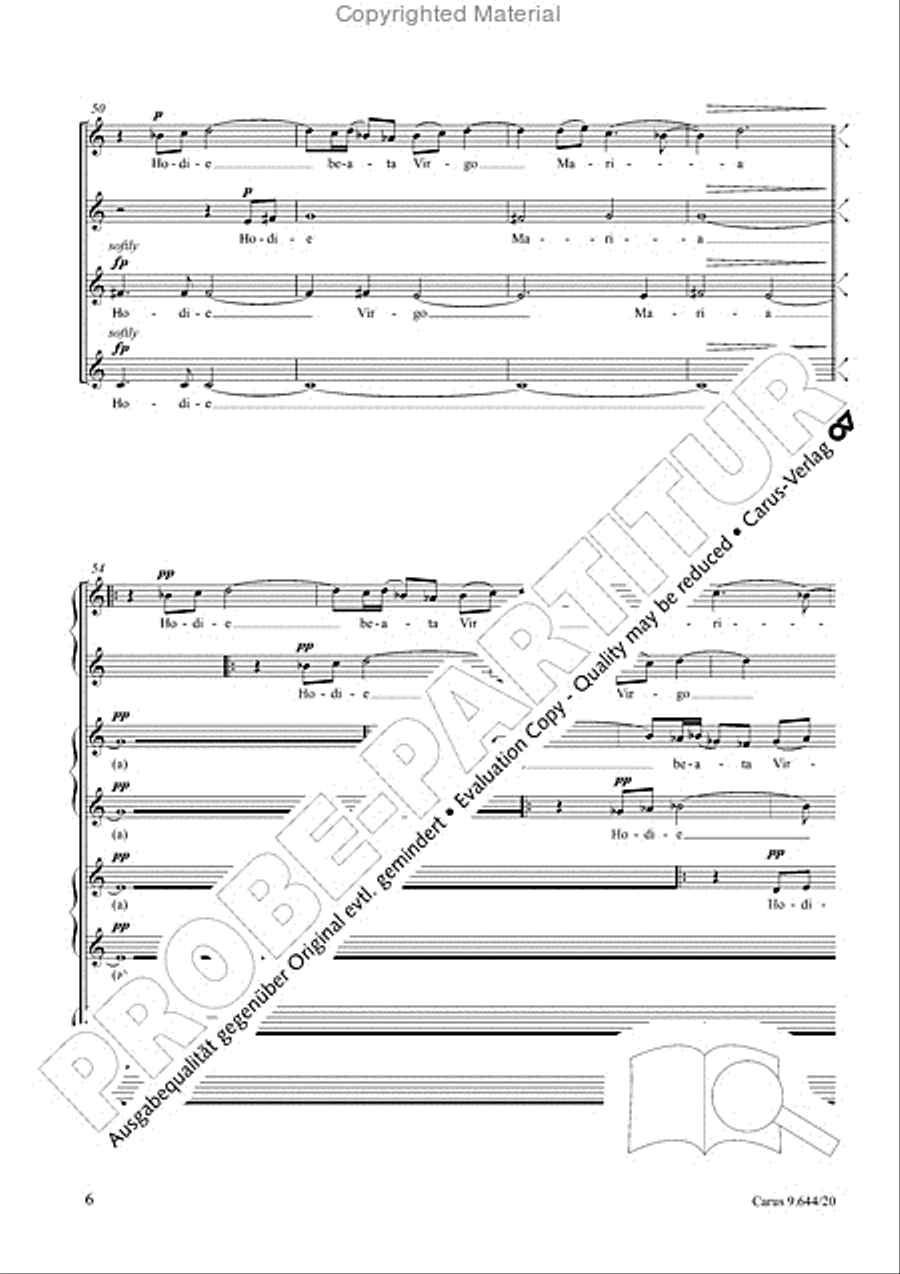
Hodie beata Virgo Maria 4-Part scores gallery preview page 6
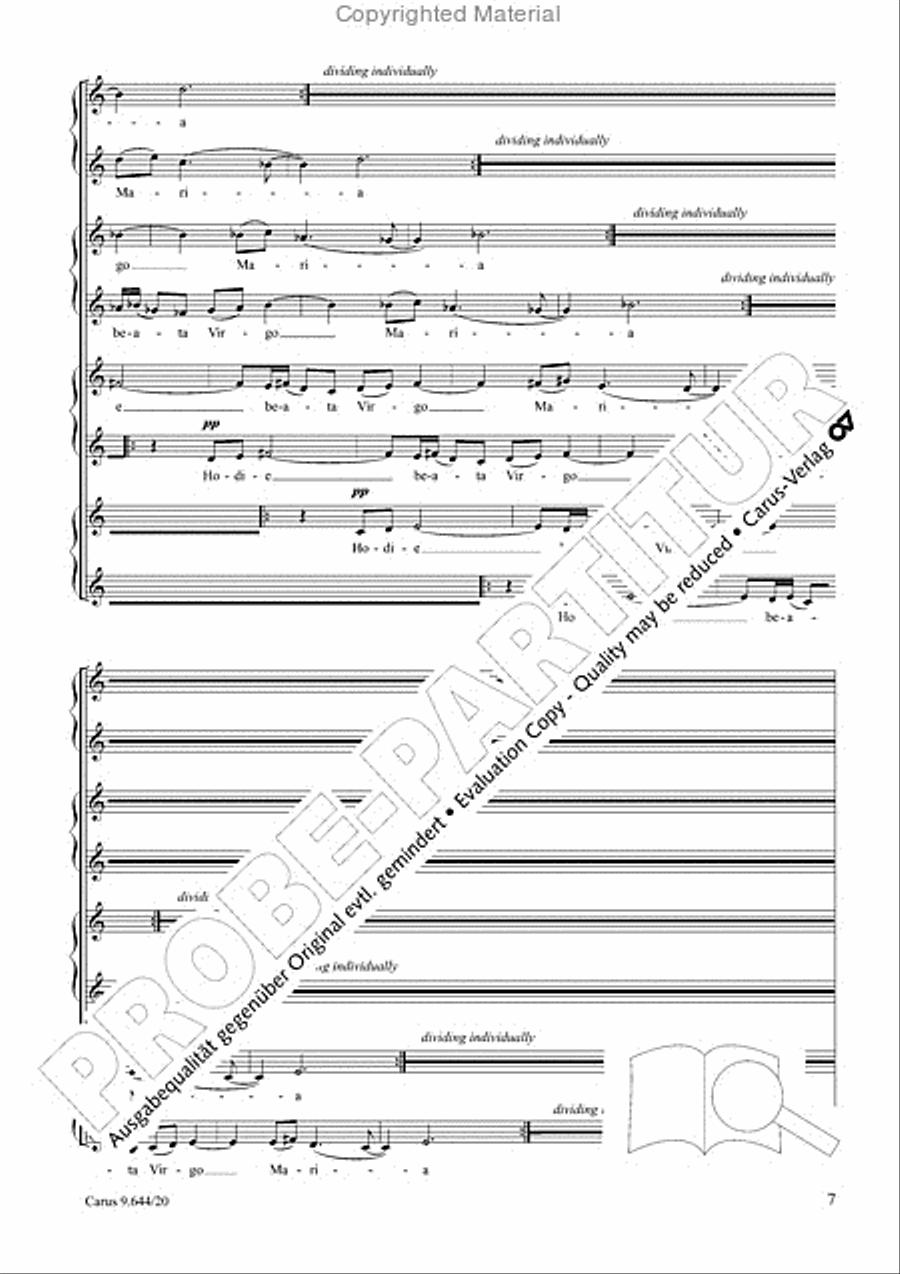
Hodie beata Virgo Maria 4-Part scores gallery preview page 7
Hodie beata Virgo Maria 4-Part scores gallery preview page 8
Hodie beata Virgo Maria 4-Part scores gallery preview page 9
Hodie beata Virgo Maria 4-Part - Sheet Music
Hodie beata Virgo Maria 4-Part - Sheet Music page 2
Hodie beata Virgo Maria 4-Part - Sheet Music page 3
Hodie beata Virgo Maria 4-Part - Sheet Music page 4
Hodie beata Virgo Maria 4-Part - Sheet Music page 5
Hodie beata Virgo Maria 4-Part - Sheet Music page 6
Hodie beata Virgo Maria 4-Part - Sheet Music page 7
Hodie beata Virgo Maria 4-Part - Sheet Music page 8
Hodie beata Virgo Maria 4-Part - Sheet Music page 9

Ships to you

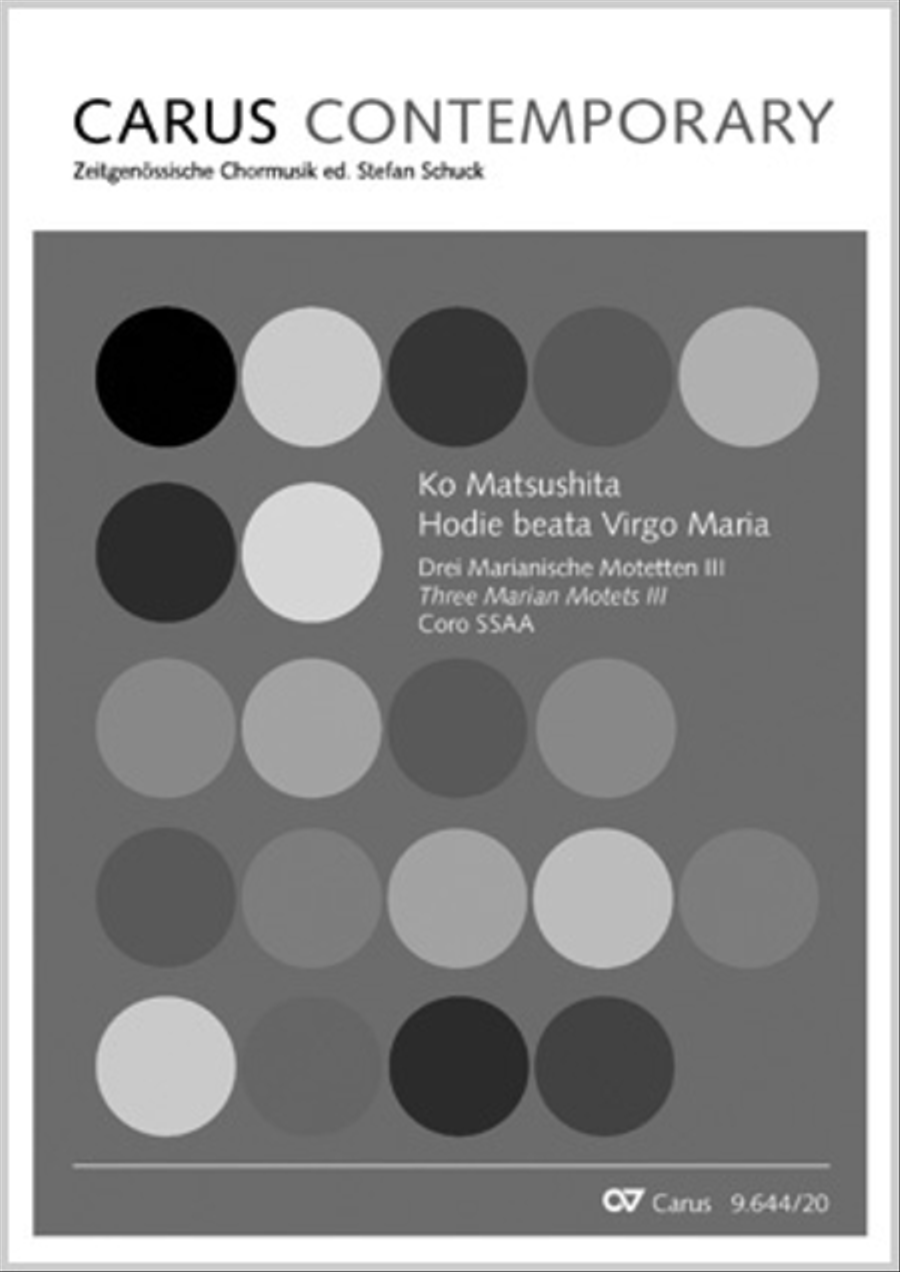
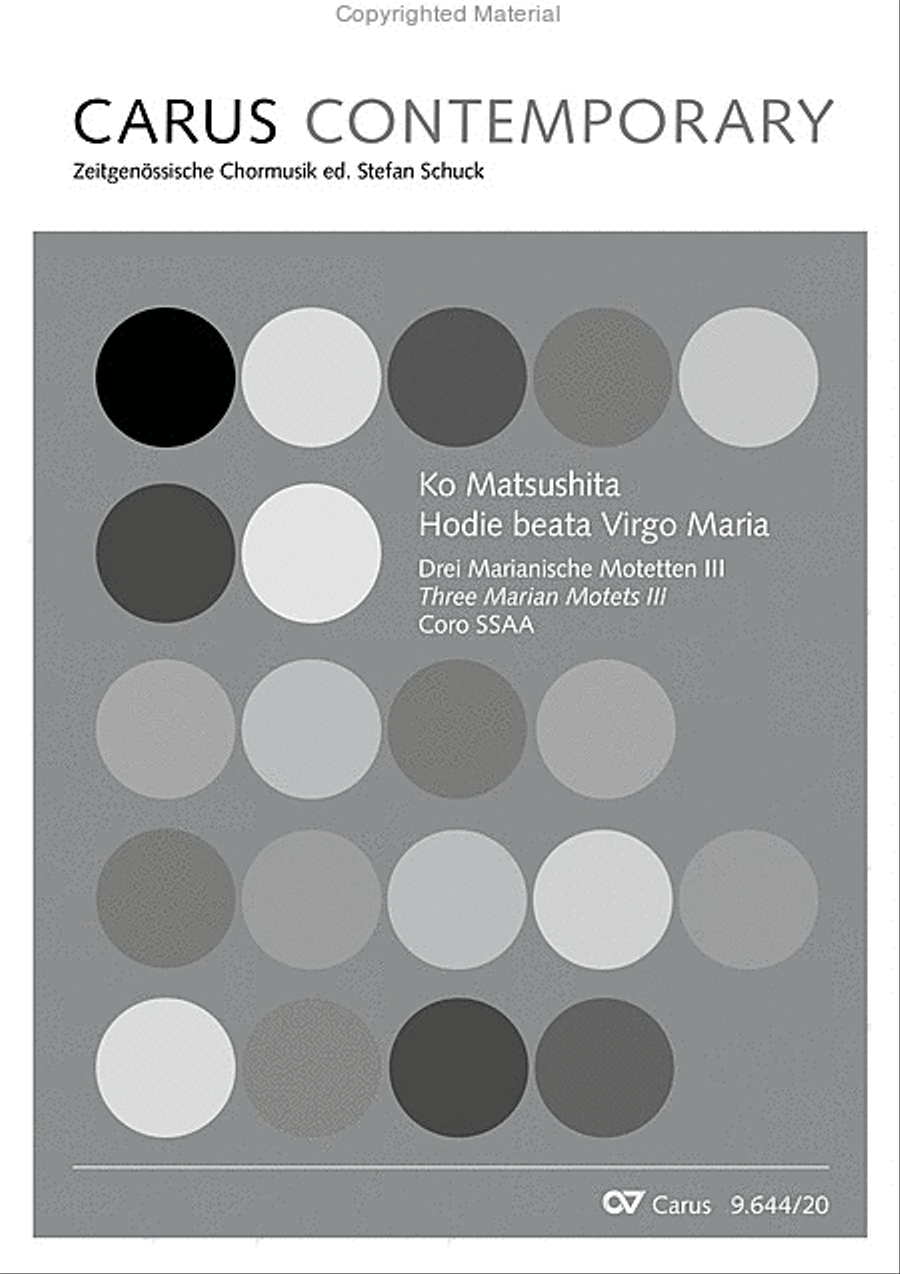
Hodie beata Virgo Maria No. 3 from Three Marian Motets 4-Part - Sheet Music

SATB chorus

SKU: CA.964420

No. 3 from Three Marian Motets. Composed by Ko Matsushita. Contemporary Choir Music. Genres / texts frequently set to music: Sacred vocal music. Sacred vocal music, Advent, Feasts of the Blessed Virgin Mary, Hymns in praise of the Virgin Mary. Score. Carus Verlag #CV 09.644/20. Published by Carus Verlag (CA.964420).

ISBN 9790007143497. 8.27 x 11.69 inches. Text language: Latin.

The aged Simeon takes the new-born Jesus in his arms, recognises his significance and celebrates this moment in a paean of praise as the fulfilment of his life. In Matsushita’s motet this song of praise, the "nunc dimittis", stands at the centre of the composition. Here, the triad of C–F sharp–G, used for the word "hodie – today" at the beginning, symbolically combines with a Gregorian-like motif, revolving around the central note of B flat in whole-tone movement, and which is used to represent the Virgin Mary. The work ends with a mystical wash of sound, a whole-tone cluster which emerges from the aleatorically repeated basic motifs of the work, and fades away to nothing.