World's Largest Sheet Music Selection

Philip Glass Sheet Music

About Philip Glass

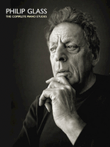
Philip Glass is an eminent American composer and pianist, widely recognized as a pioneering figure in minimalist music. Born in Baltimore, Maryland, in 1937, he developed a distinctive style characterized by repetitive structures and gradual harmonic and rhythmic changes. Glass's significant contributions have redefined opera, chamber music, and film scores, making him one of the most influential composers of the late 20th and early 21st centuries.

  • Glass co-founded the Philip Glass Ensemble in 1967 (or 1968, sources vary) to perform his unique, experimental compositions, utilizing amplified woodwinds, keyboards, and soprano voice.
  • Prior to achieving widespread recognition, Glass supported himself by working as a plumber and taxi driver in New York City while developing his groundbreaking musical style.
  • His opera Einstein on the Beach, a four-hour multimedia work premiered in 1976, is considered a landmark achievement in 20th-century music, showcasing his innovative blend of music, dance, and theatrical elements.
  • Glass has composed numerous acclaimed film scores, earning Academy Award nominations for works such as Kundun, The Hours, and Notes on a Scandal.

Performing Philip Glass's music offers a uniquely rewarding experience for musicians of various skill levels, from intermediate to advanced. His extensive catalog includes works for piano, chamber ensembles, vocal scores, and orchestral reductions, ensuring a wide array of options for study and performance. Pieces like "Opening" from Glassworks or "Metamorphosis One" are often recommended for intermediate pianists, providing an accessible entry point to his style with repetitive yet engaging patterns. Glass's compositions, often described as having a hypnotic or meditative quality, require precision and control, particularly in managing the subtle shifts in rhythm and dynamics. Engaging with his music allows performers to explore influential contemporary classical techniques, develop rhythmic independence, and delve into pieces that offer both a technical challenge and a profound artistic journey.

Search all Philip Glass