Jean-Philippe Rameau Sheet Music

About Jean-Philippe Rameau

Jean-Philippe Rameau was a leading French Baroque composer and music theorist whose work significantly influenced the development of Western music, particularly in opera and harmony. He is widely considered one of the most important French musicians of the 18th century, succeeding Jean-Baptiste Lully as the dominant composer of French opera and being recognized alongside François Couperin as a preeminent harpsichord composer.

  • Rameau published his foundational Traité de l'harmonie réduite à ses principes naturels (Treatise on Harmony Reduced to Its Natural Principles) in 1722, which systematized harmonic theory and introduced concepts like the fundamental bass and chord inversions, influencing music theory for centuries.
  • He embarked on his operatic career relatively late in life, at nearly 50 years old, with his first major opera, Hippolyte et Aricie, premiering in 1733 and causing a stir due to its innovative harmonies.
  • Rameau was known for his innovative orchestral writing, dramatic flair in his stage works, and his integration of dance into opera, expanding the expressive range and emotional depth of French opera.
  • He was granted the title "Compositeur du Cabinet du Roi" (Composer to the King's Cabinet) in 1745, receiving official recognition and a substantial pension from the French court.

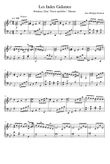
Rameau's sheet music offers a rewarding challenge for musicians, particularly keyboardists and those interested in Baroque opera. His extensive pièces de clavecin (harpsichord pieces) are highly regarded for their intricate counterpoint and expressive depth, making them suitable for intermediate to advanced pianists and harpsichordists seeking to explore the rich textures of French Baroque keyboard literature. For vocalists and instrumental ensembles, his operatic works, such as Les Indes galantes and Castor et Pollux, provide a vibrant repertoire that showcases his revolutionary harmonies, innovative orchestration, and integration of dramatic dance, offering a unique opportunity to engage with a pivotal period in music history. Performing Rameau's music allows musicians to delve into the intellectual rigor of his theoretical principles while experiencing the emotional grandeur and elegance of his compositional style.

Search all Jean-Philippe Rameau