Details
Summary
- Ensembles:
- Concert Band
- Composers:
- Jan Van der Roost
- Publishers:
- De Haske Publications
- Series:
- De Haske Concert Band
- Instrumentation:
- 2 - Baritone B.C. - 4 2 - Baritone/Euphonium Tc (Bb) - 4 4 - Bass - 4 1 - Bassoon 1 - 4 1 - Bassoon 2 - 4 2 - Bb Bass Clarinet - 4 5 - Bb Clarinet 1 - 6 5 - Bb Clarinet 2 - 7 5 - Bb Clarinet 3 - 7 2 - Bb Tenor Saxophone - 4 2 - Bb Trumpet/Cornet 1 - 4 2 - Bb Trumpet/Cornet 2 - 4 2 - Bb Trumpet/Cornet 3 - 4 1 - Eb Alto Clarinet - 4 2 - Eb Alto Saxophone - 4 1 - Eb Baritone Saxophone - 4 1 - Eb Clarinet - 4 2 - F Horn 1,2 - 4 2 - F Horn 3,4 - 4 3 - Flute 1 - 6 3 - Flute 2 - 6 1 - Full Score - 72 1 - Oboe 1 - 7 1 - Oboe 2 - 4 1 - Percussion 1 - 4 1 - Percussion 2 - 2 1 - Percussion 3 - 3 1 - Percussion 4 - 3 1 - Piccolo - 4 1 - string Bass - 4 1 - Timpani - 4 2 - Trombone 1 - 4 2 - Trombone 2 - 4 2 - Trombone 3 - 4
- UPC:
- 073999219388
- Format:
- Set of Parts Score and Parts
- Item types:
- Physical
- Level:
- Grade 6
- Artist:
- Jan Van der Roost
- Usages:
- School and Community
- Size:
- 9.0x12.0x0.981 inches
- Shipping Weight:
- 3.68 pounds
Detailed Description
SKU: HL.44001455
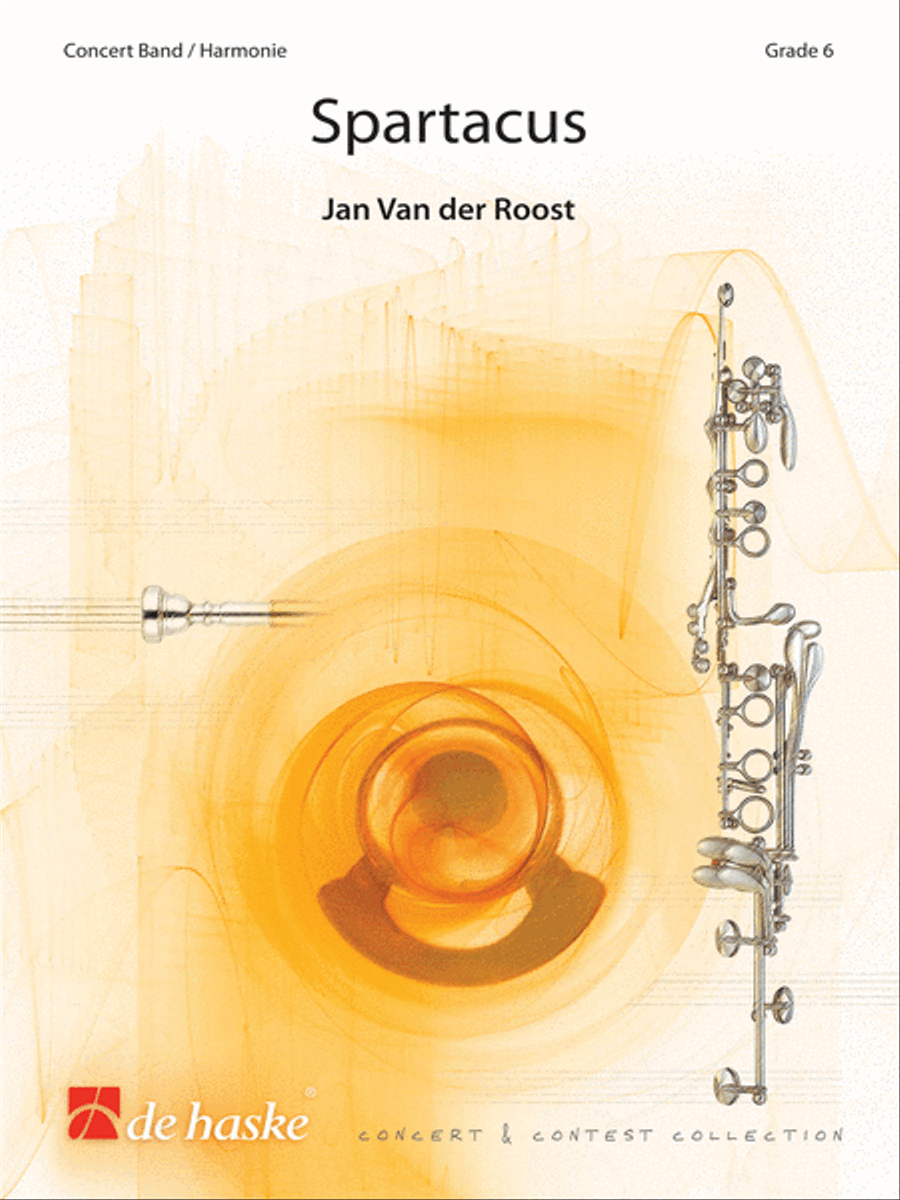
Composed by Jan Van der Roost. De Haske Concert Band. Concert. Set (Score & Parts). Composed 1989. Duration 830 seconds. De Haske Publications #0890131010. Published by De Haske Publications (HL.44001455).UPC: 073999219388. 9.0x12.0x0.981 inches.
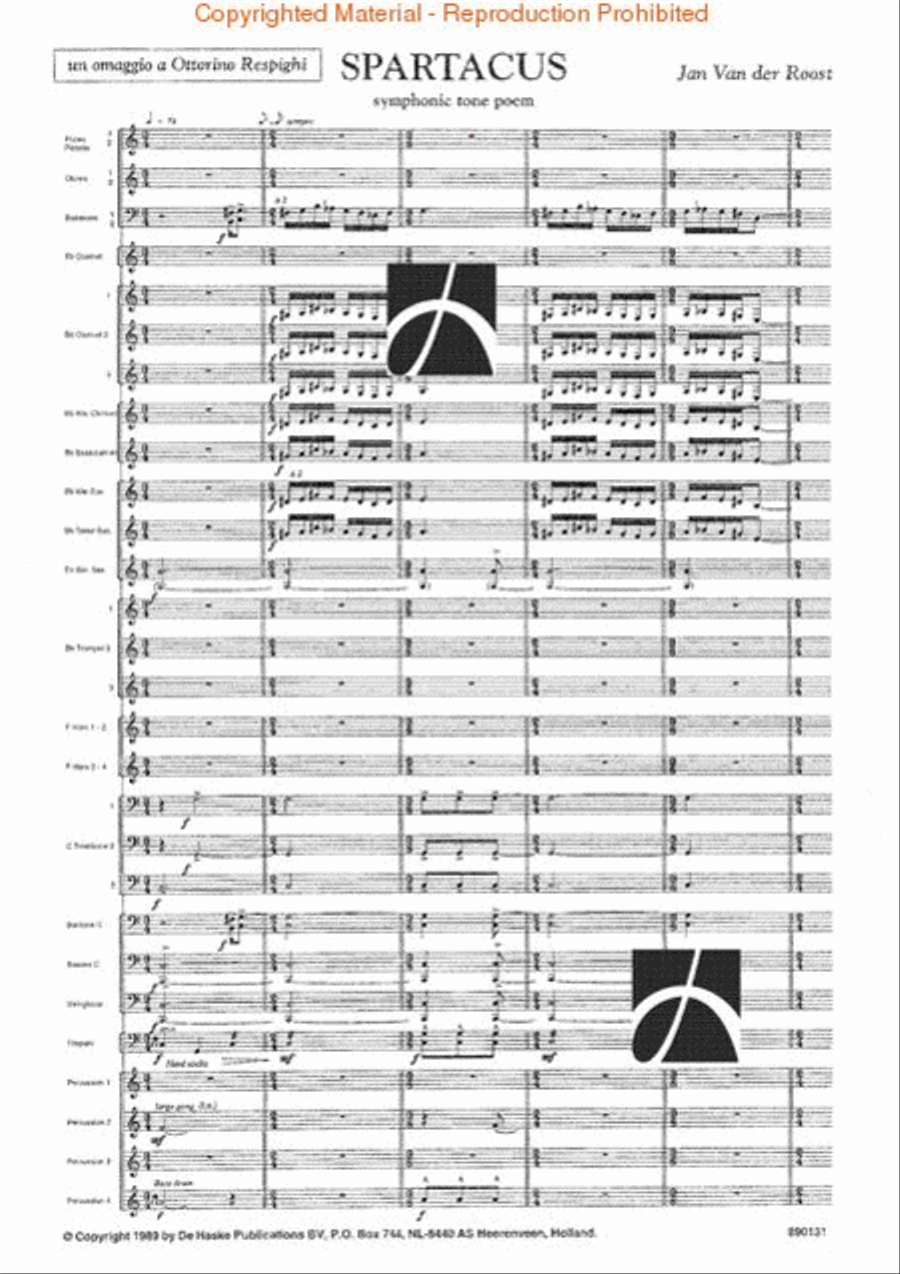
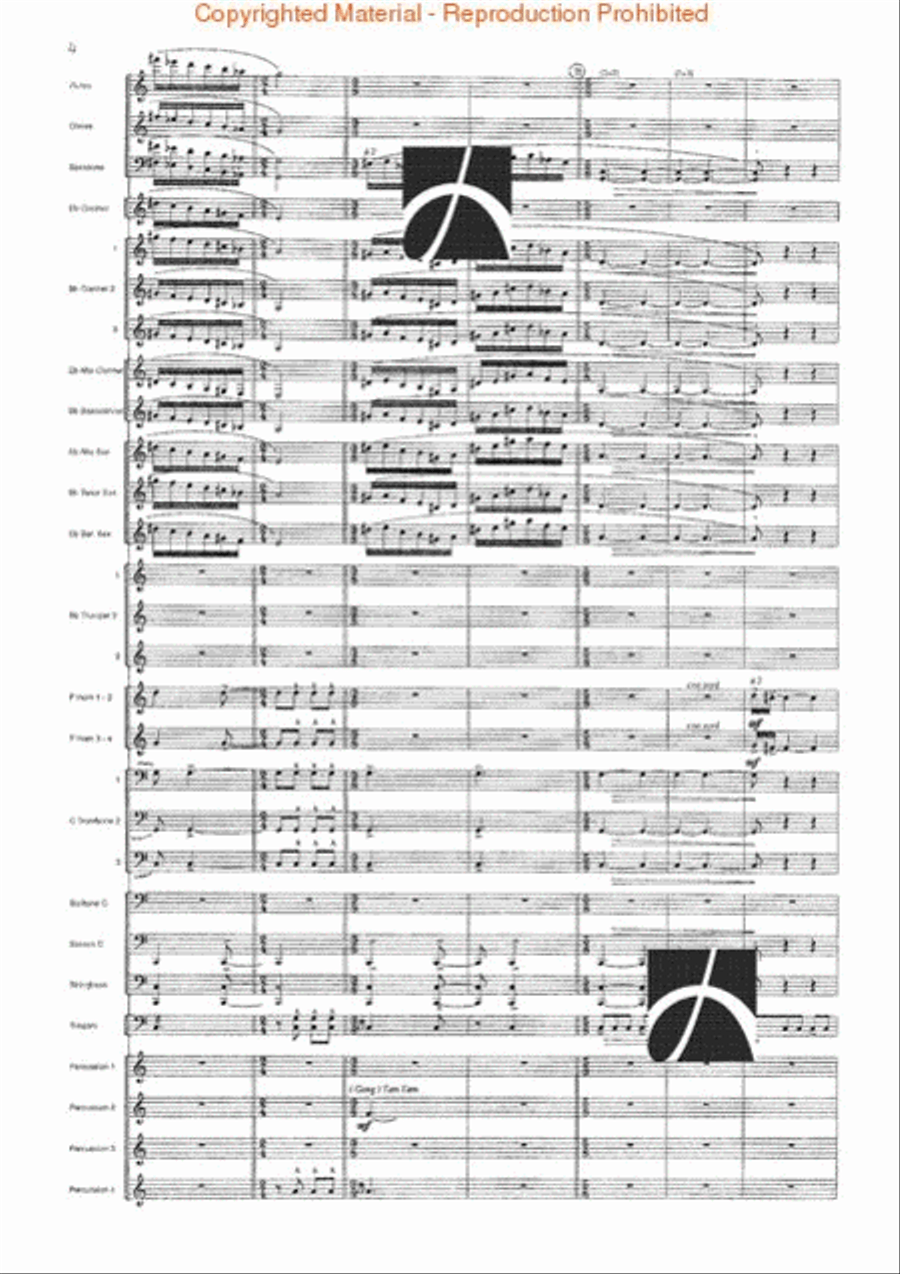
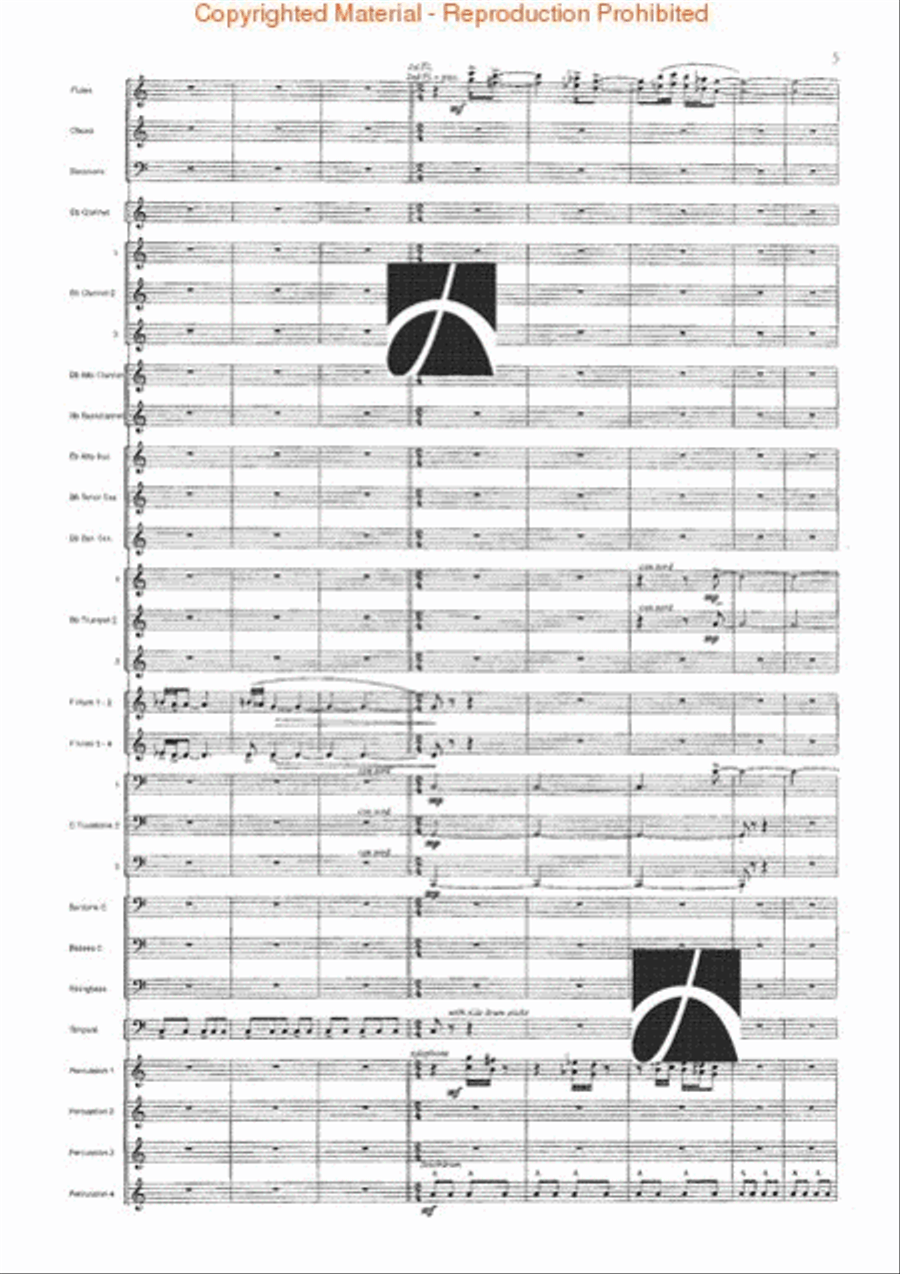
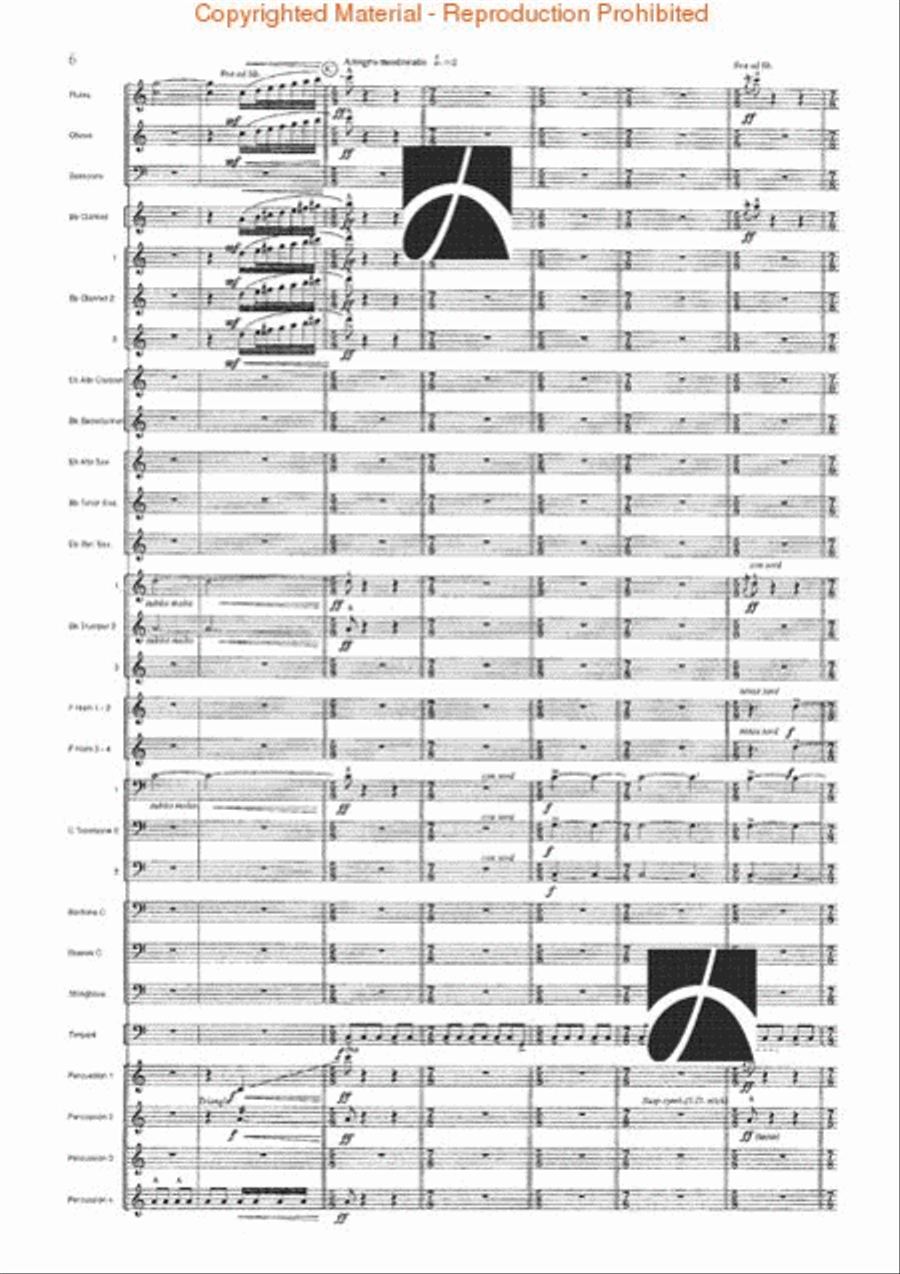
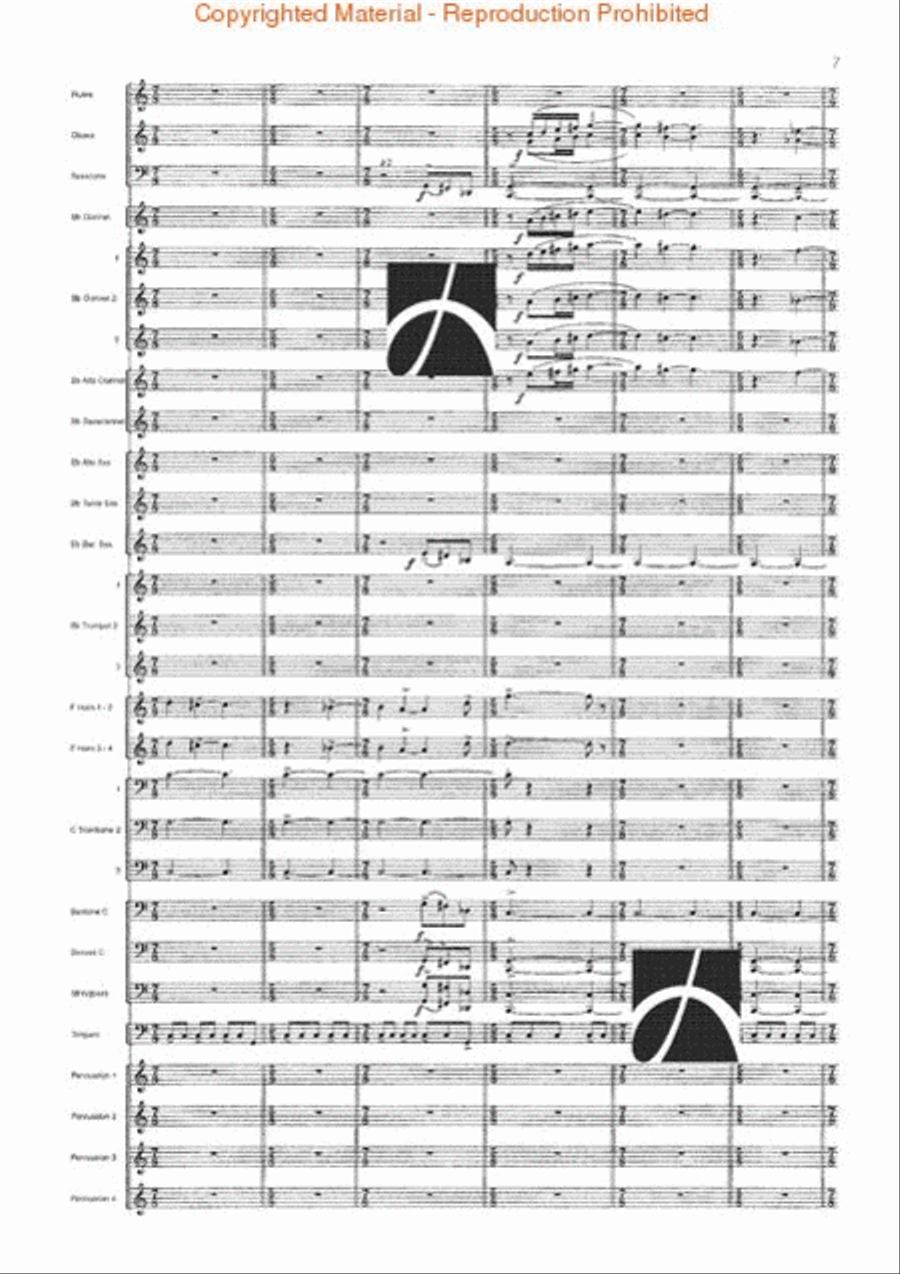
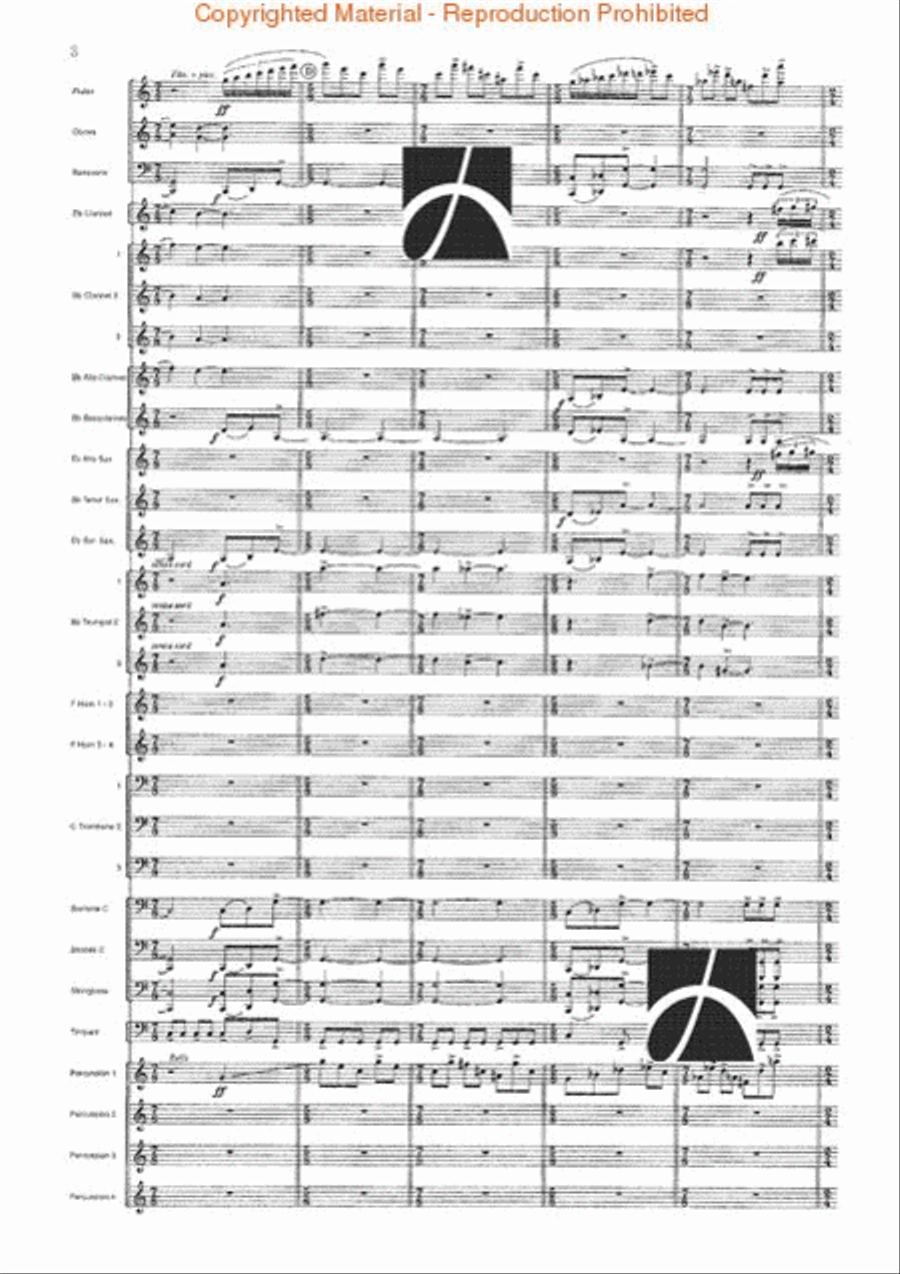
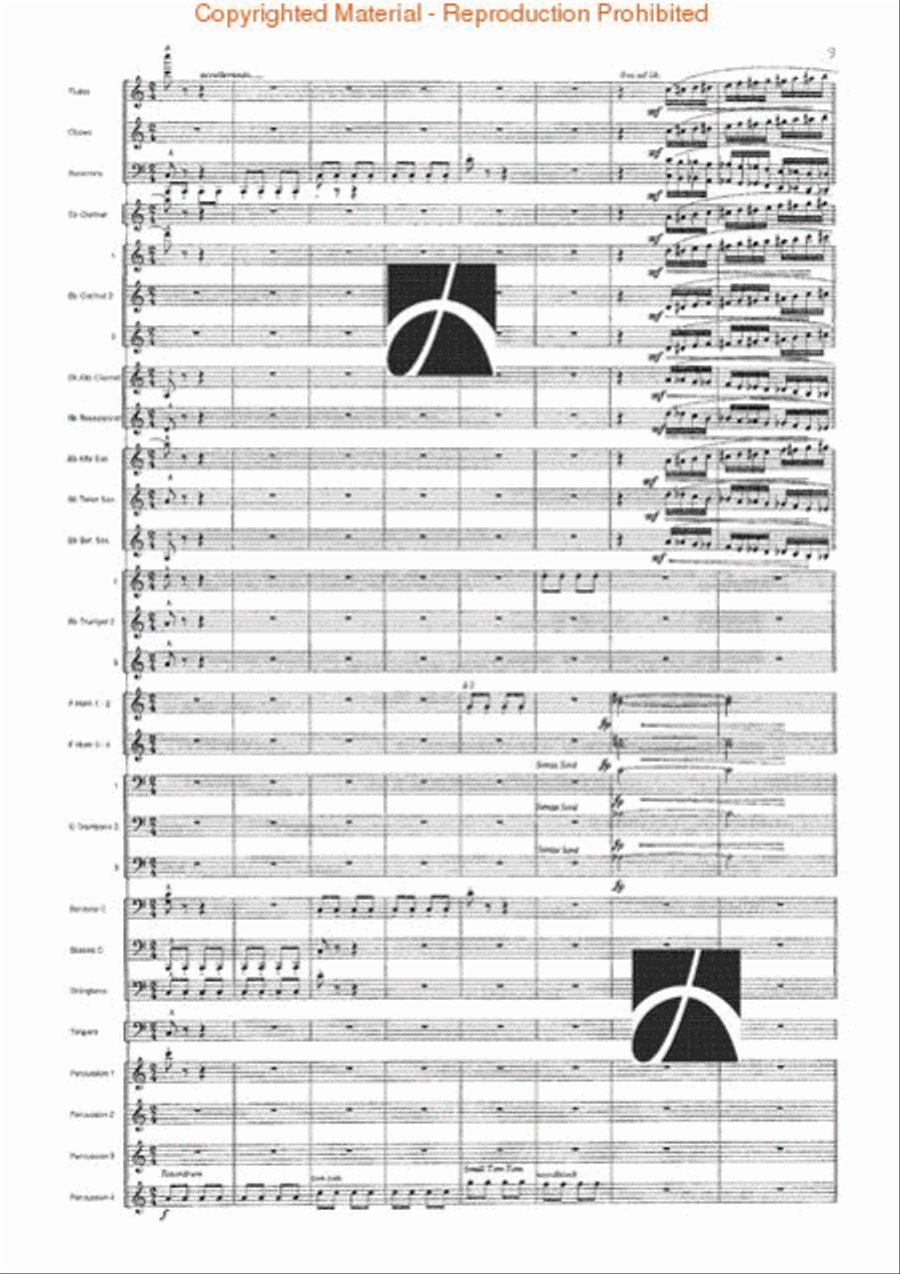
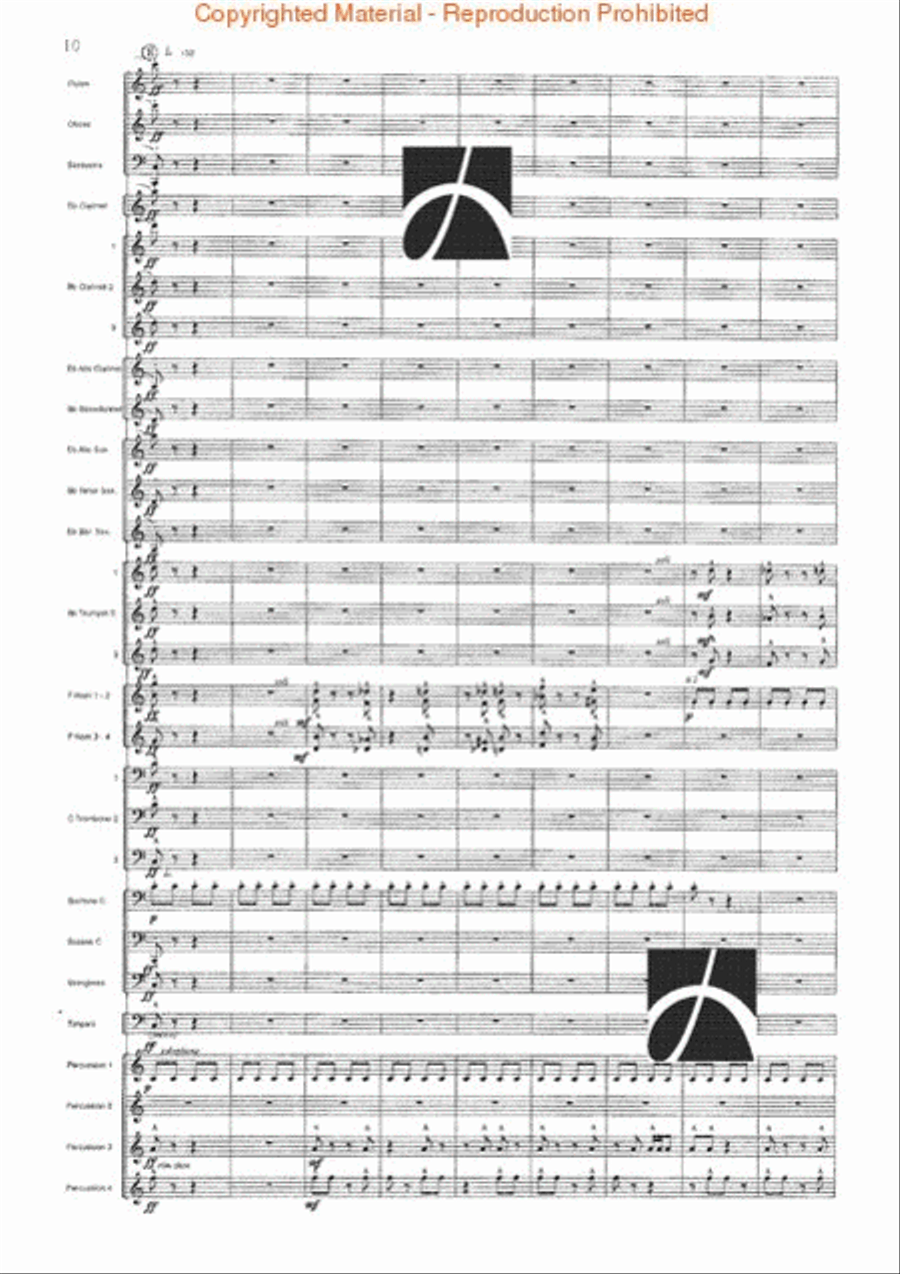
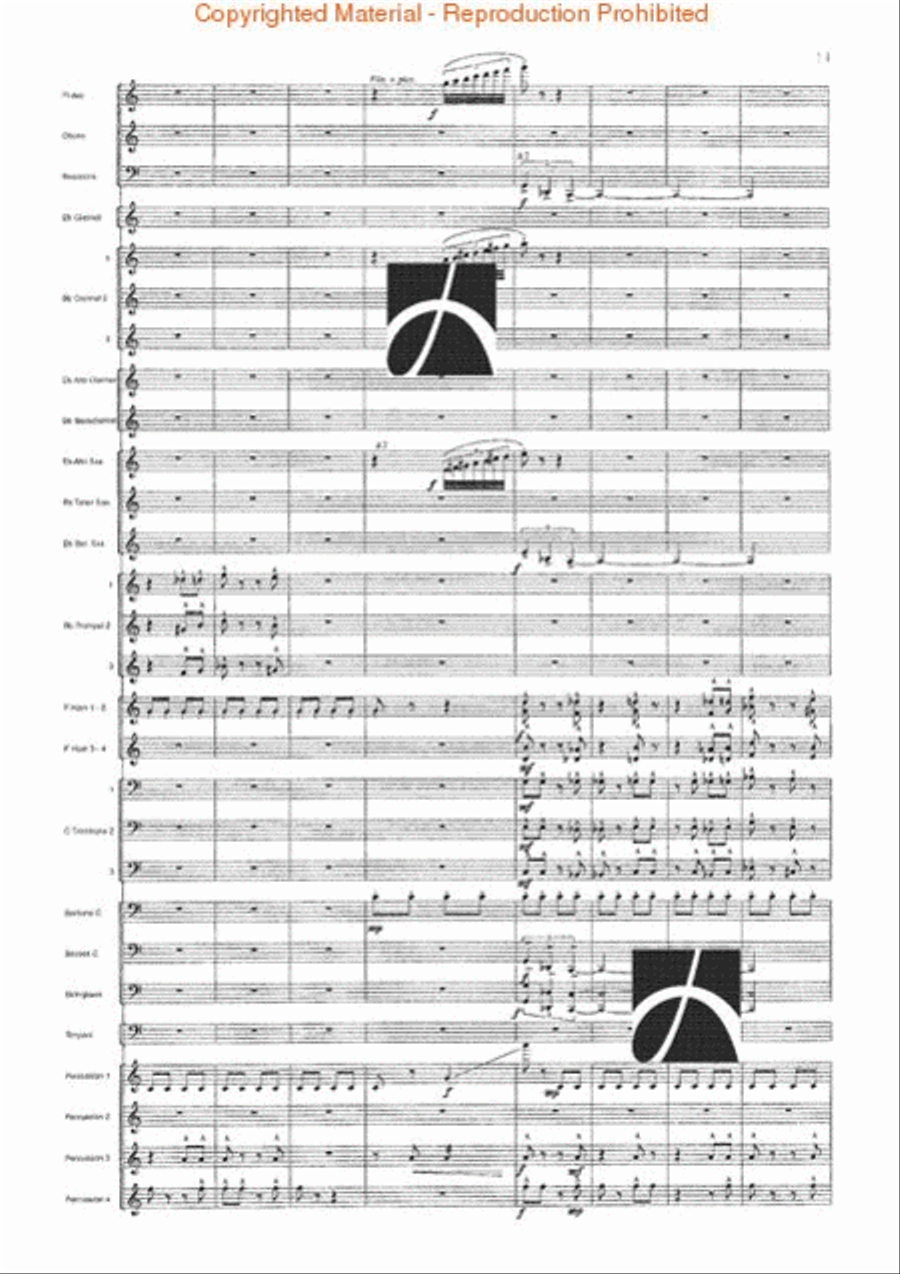
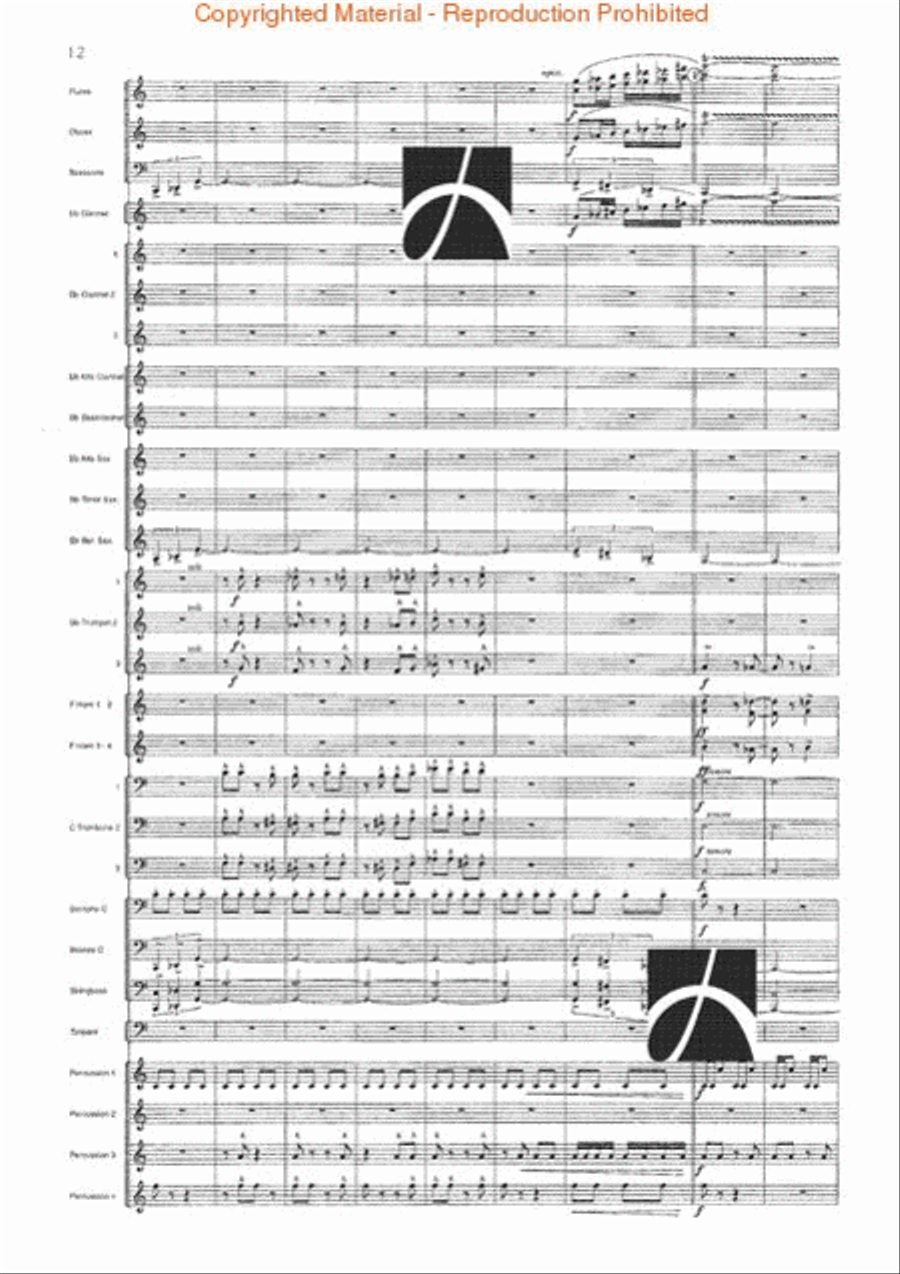
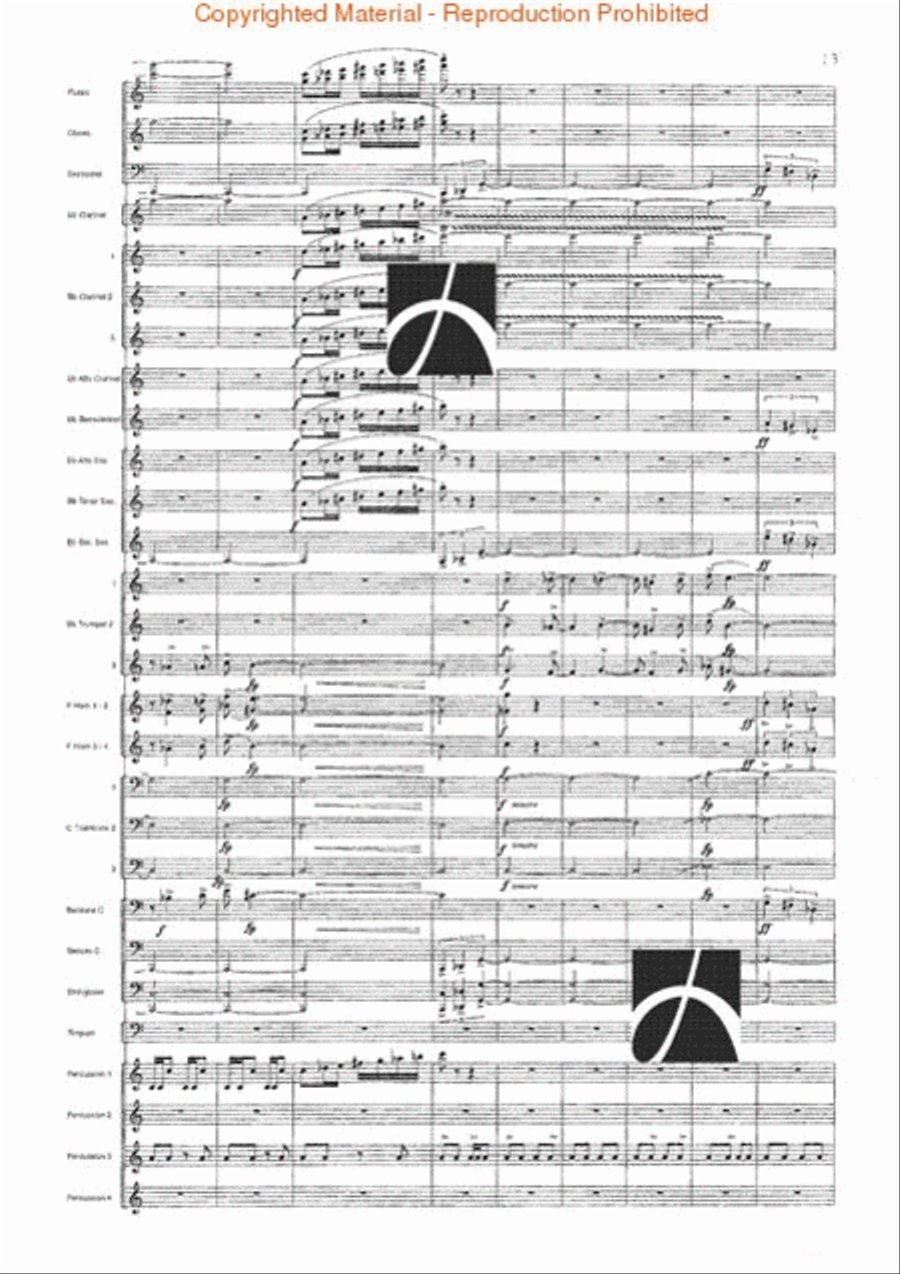
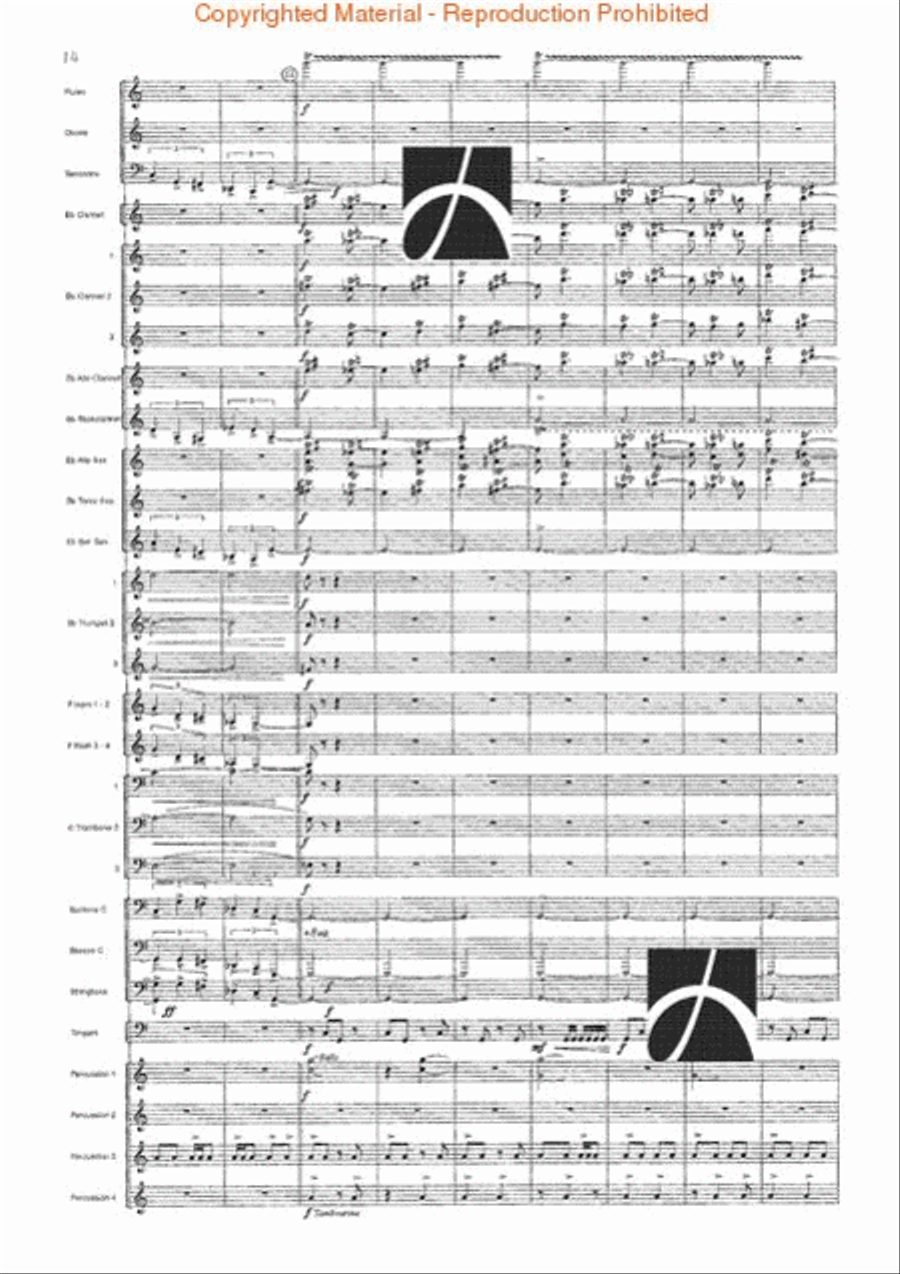
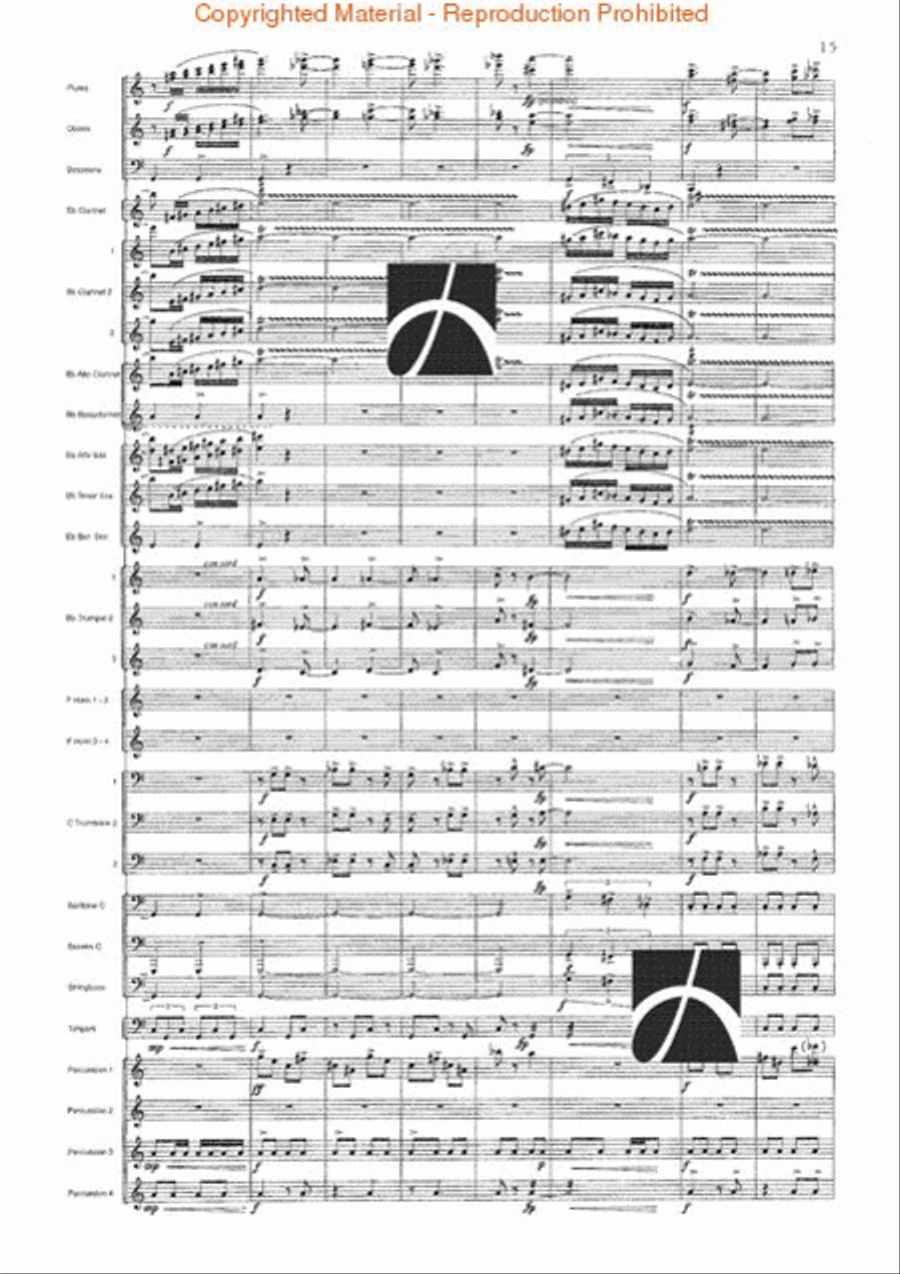
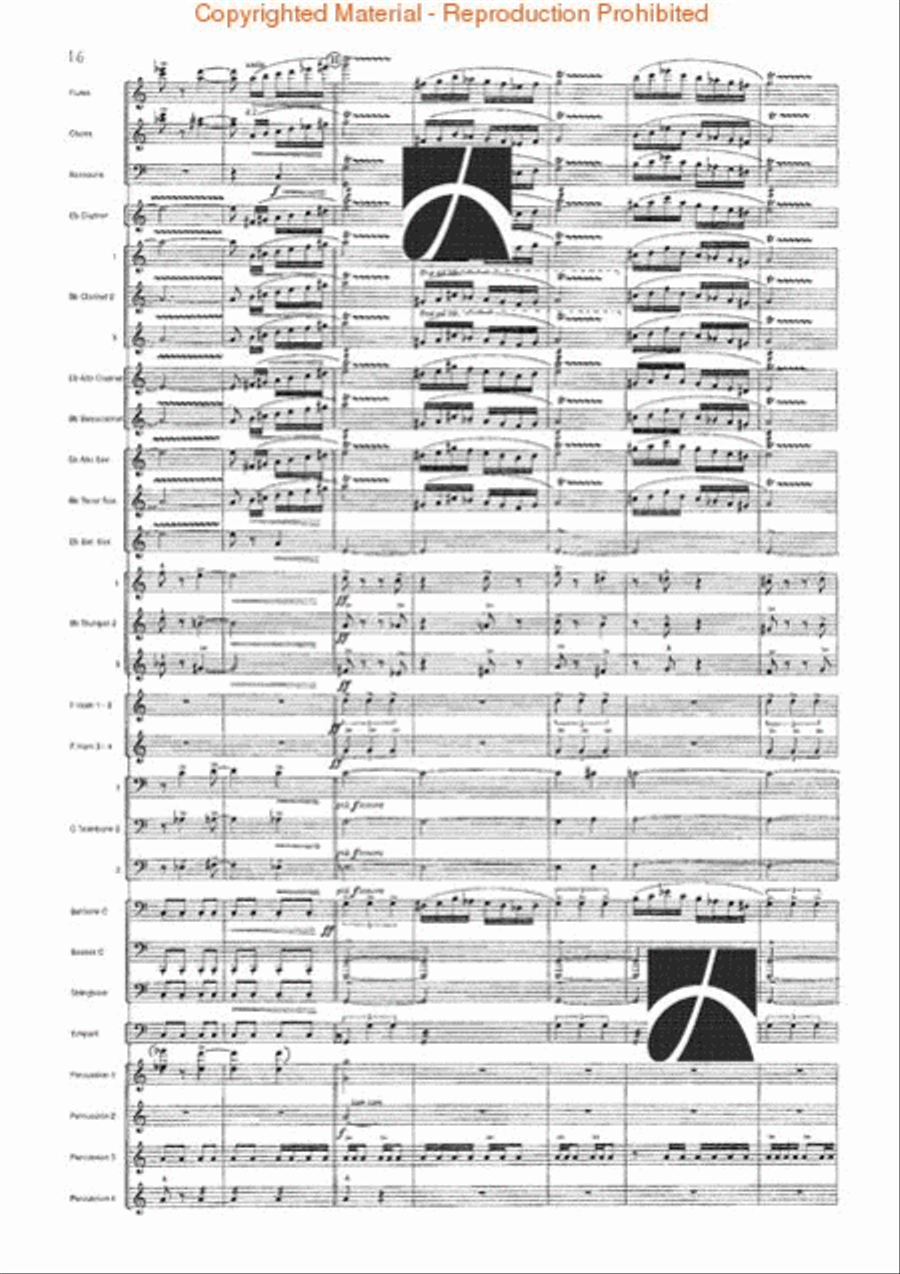
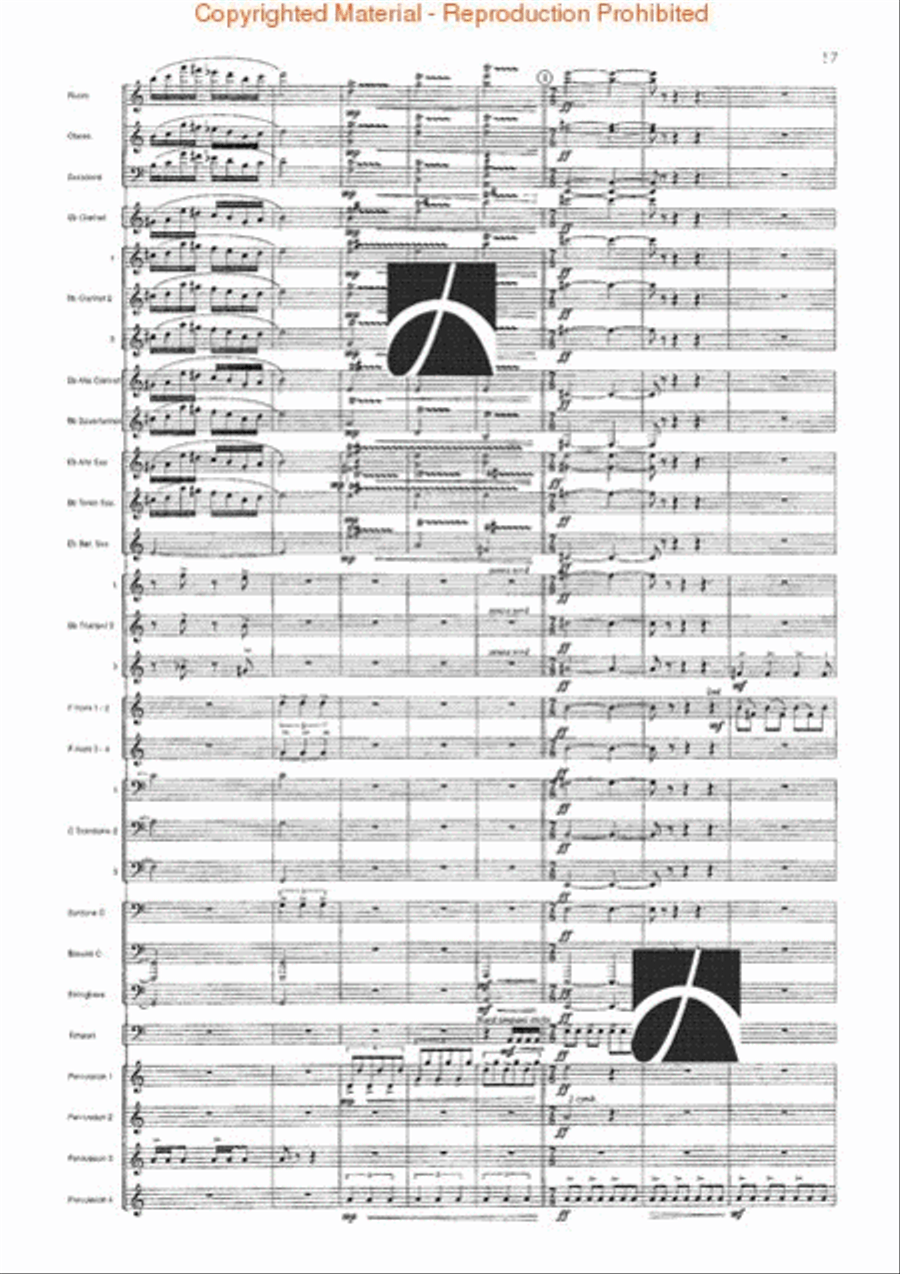
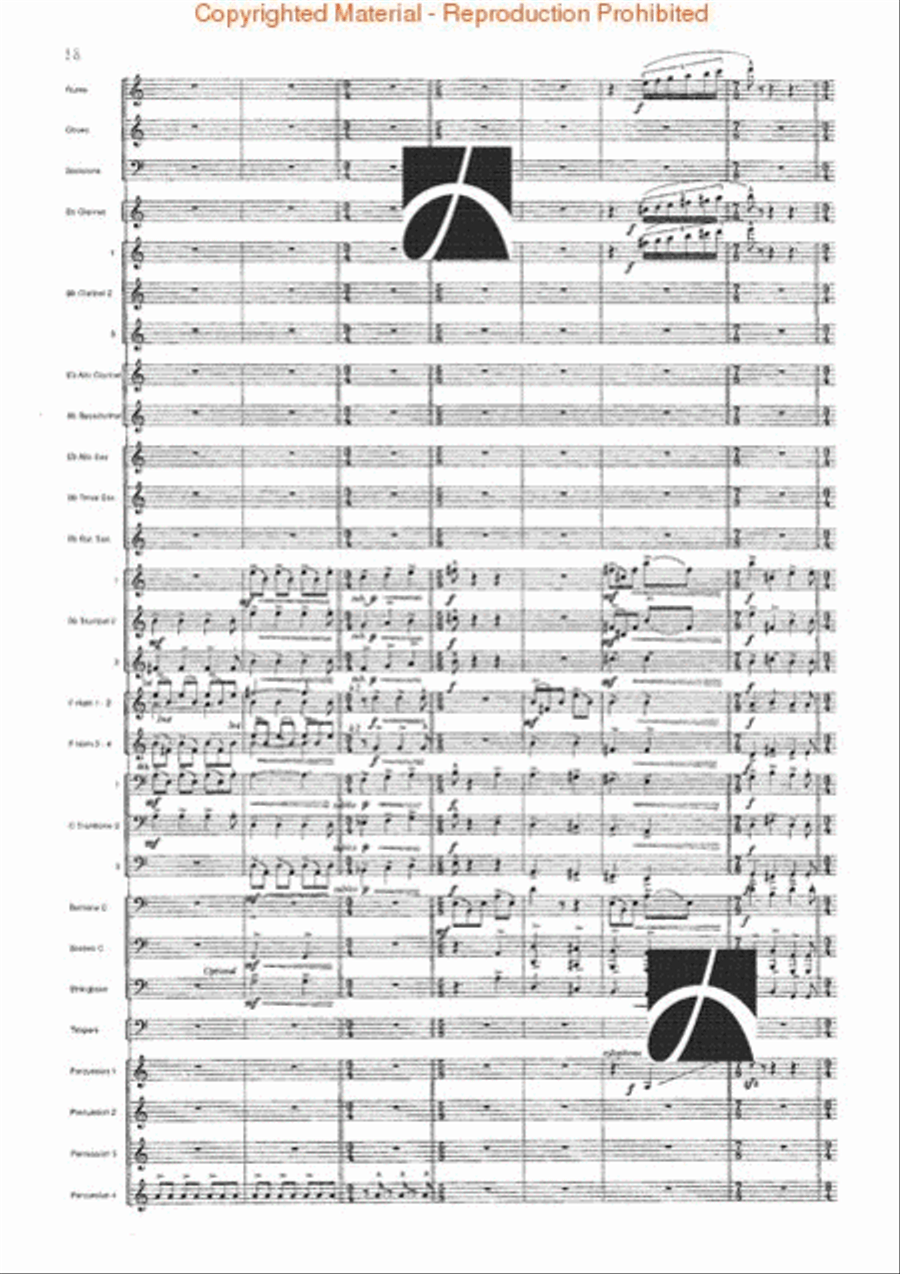
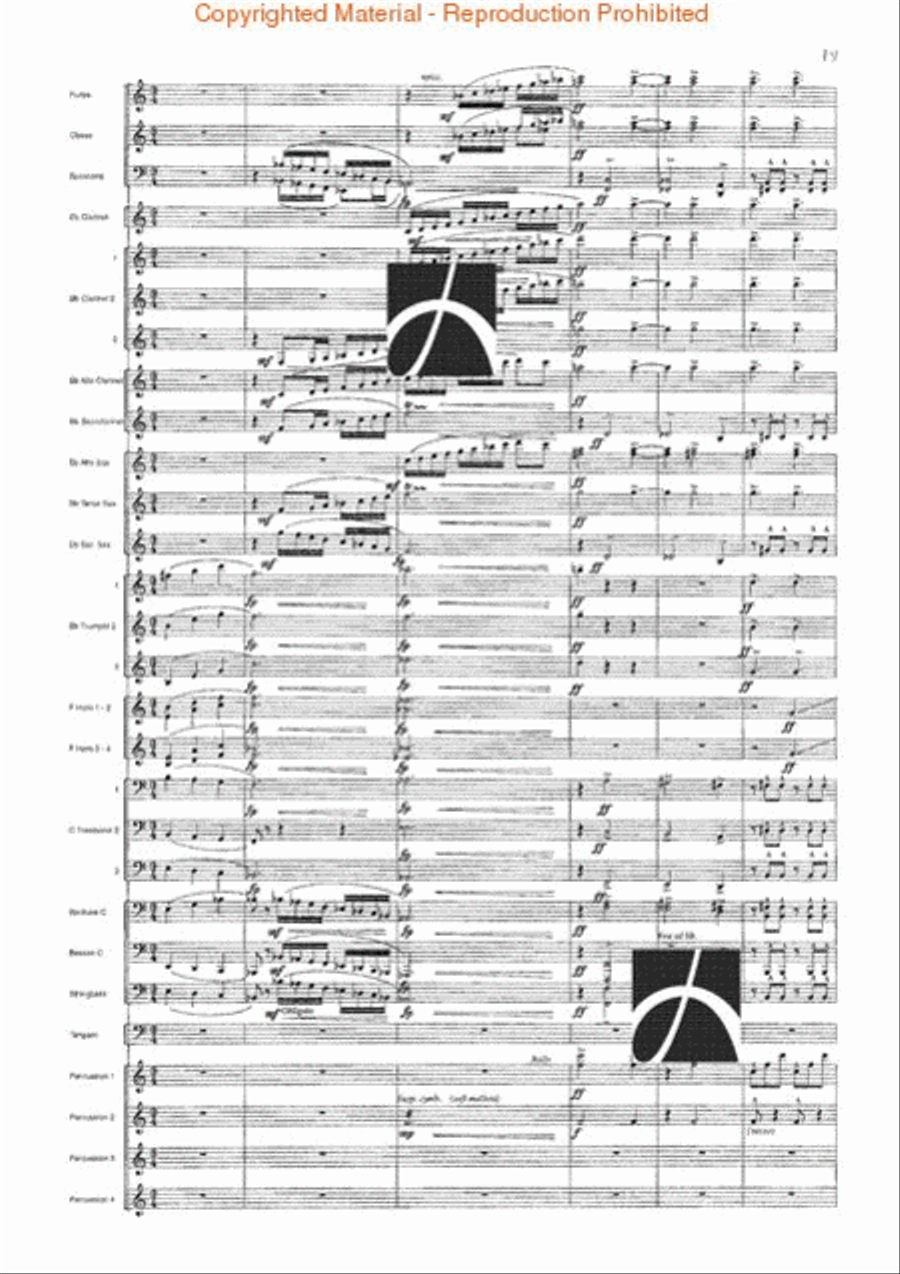
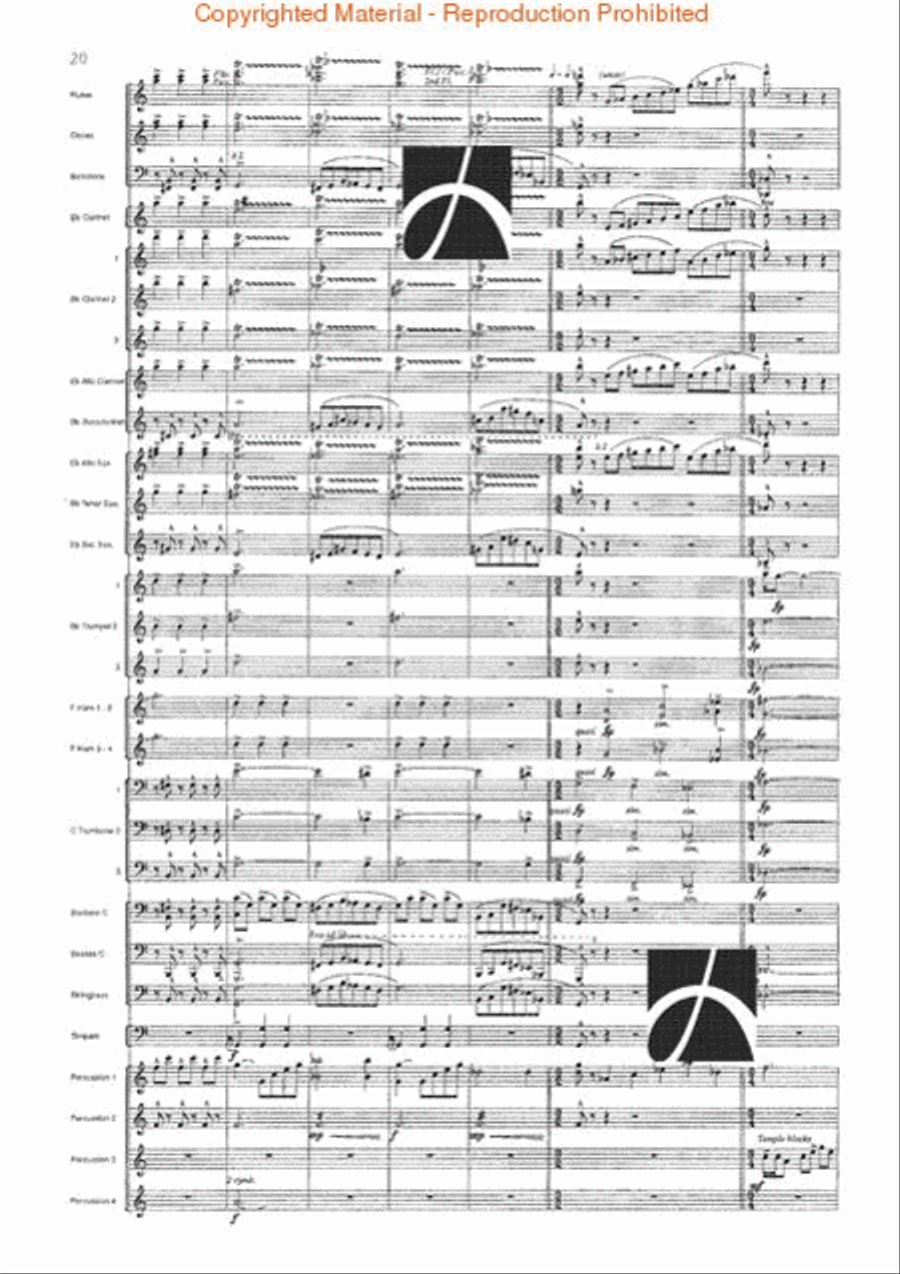
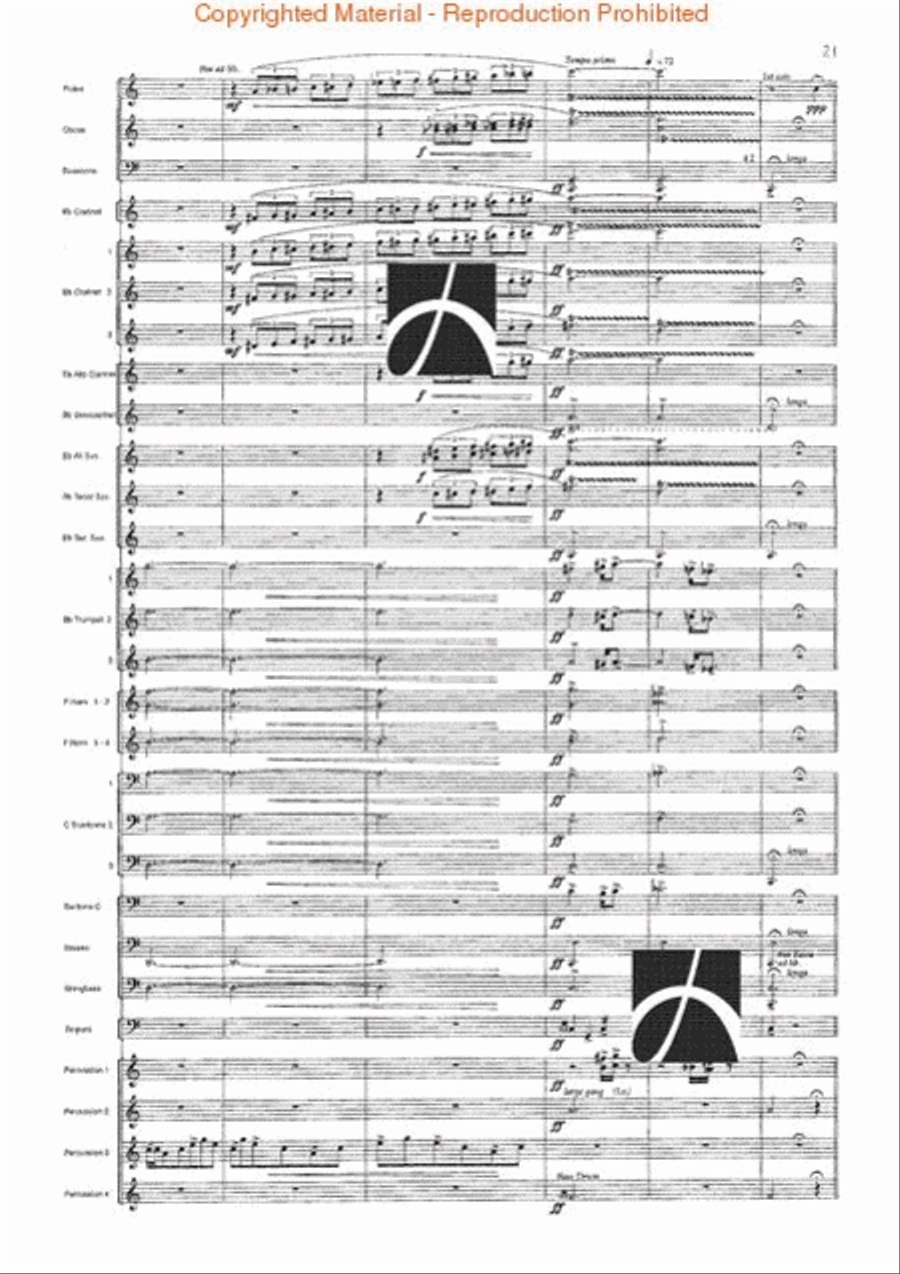
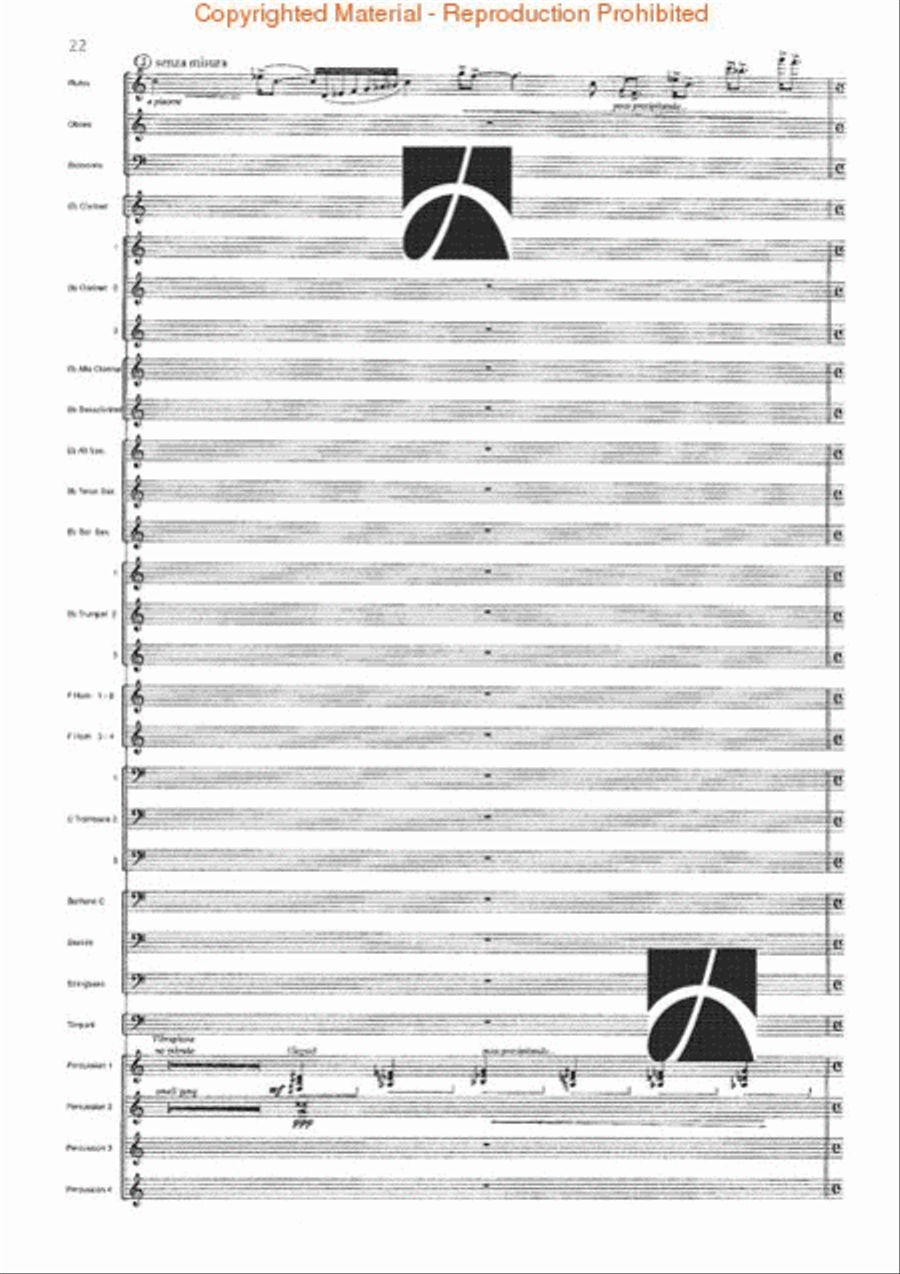
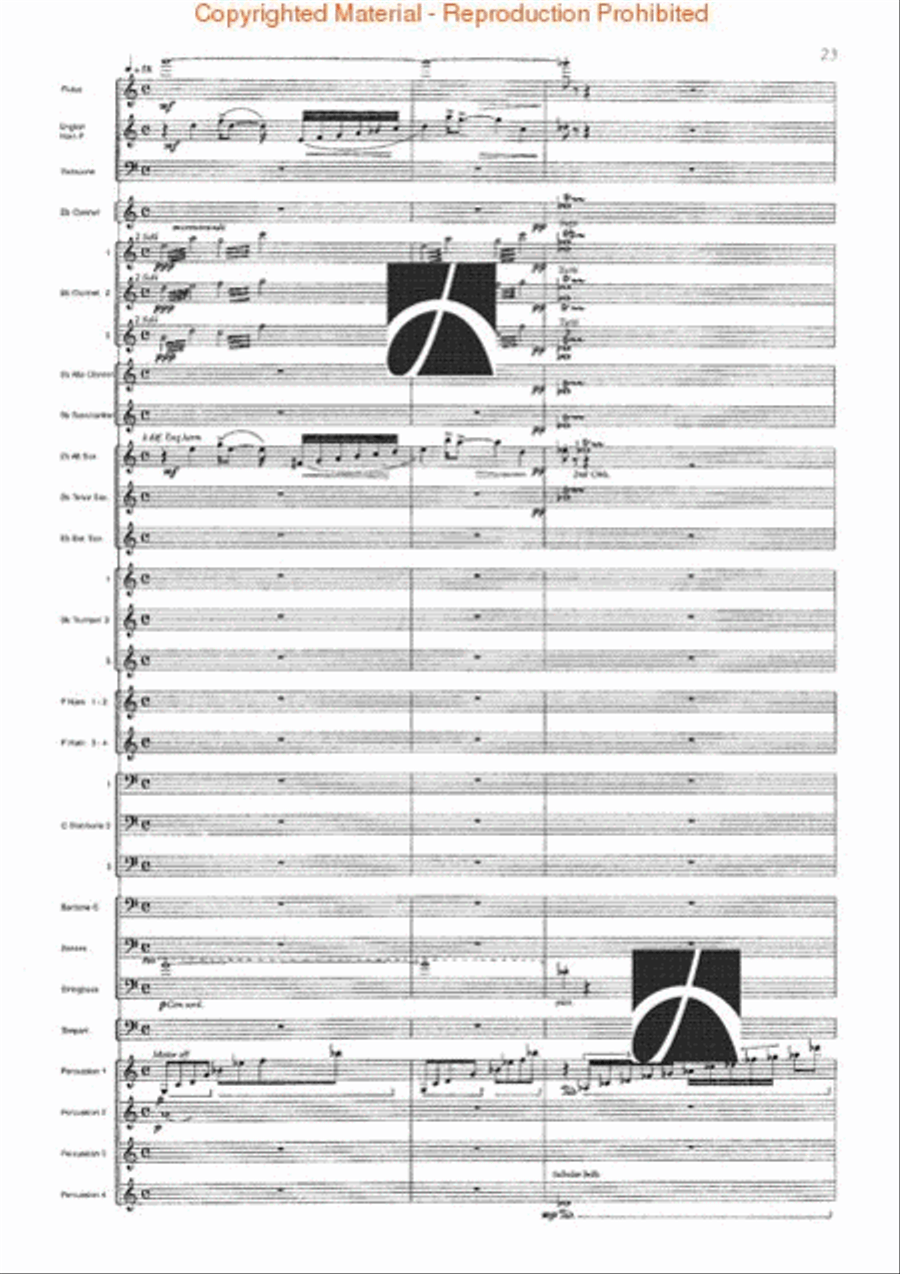
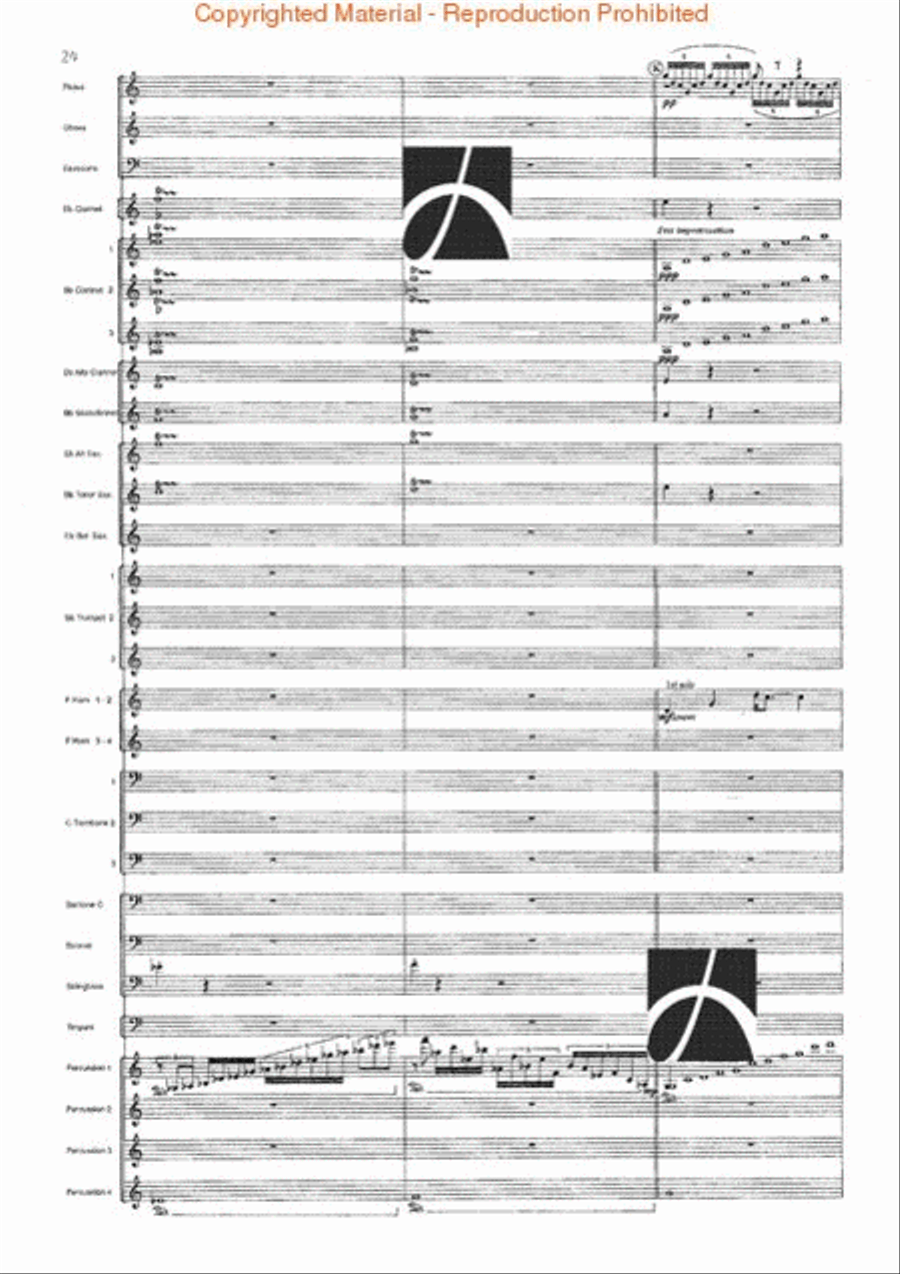
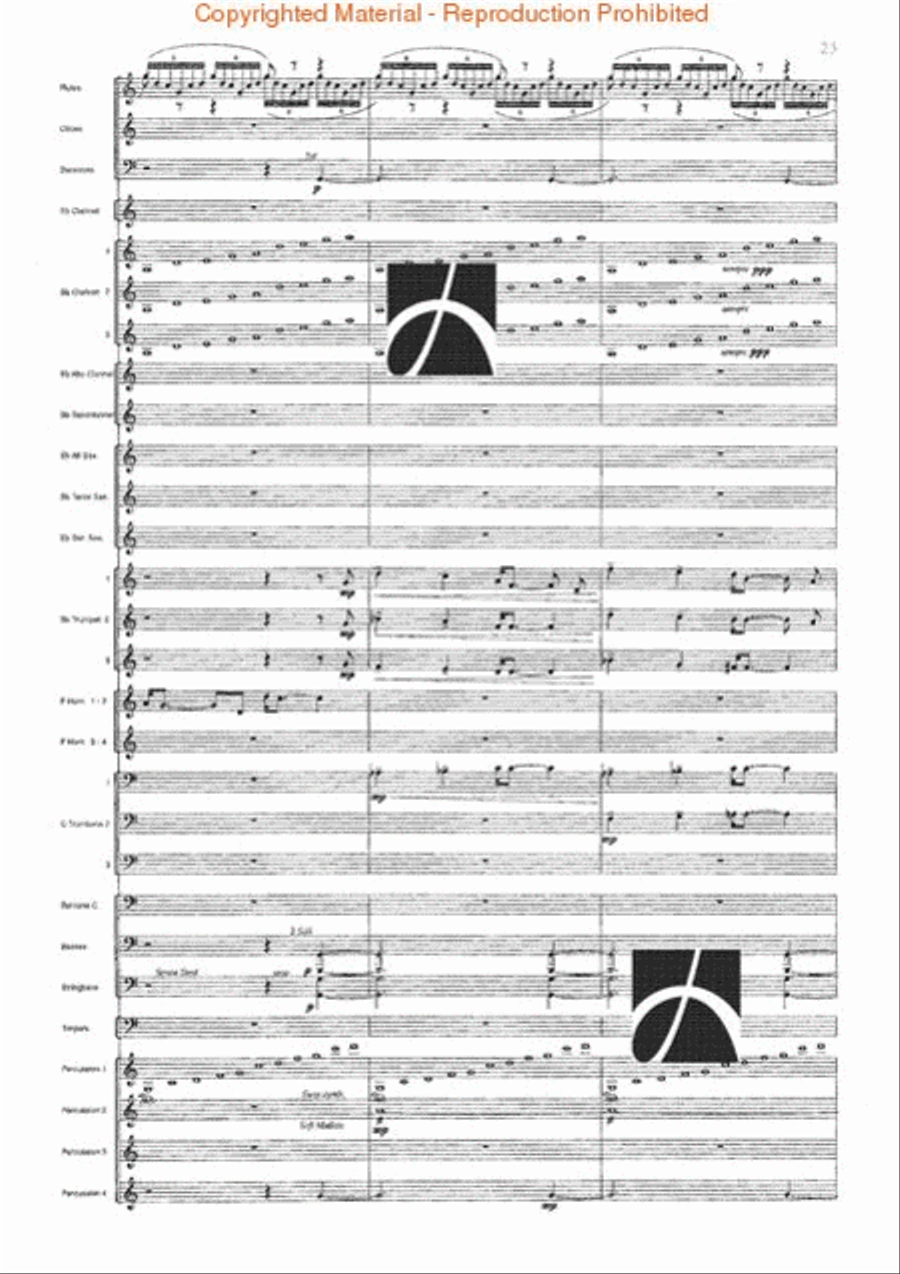
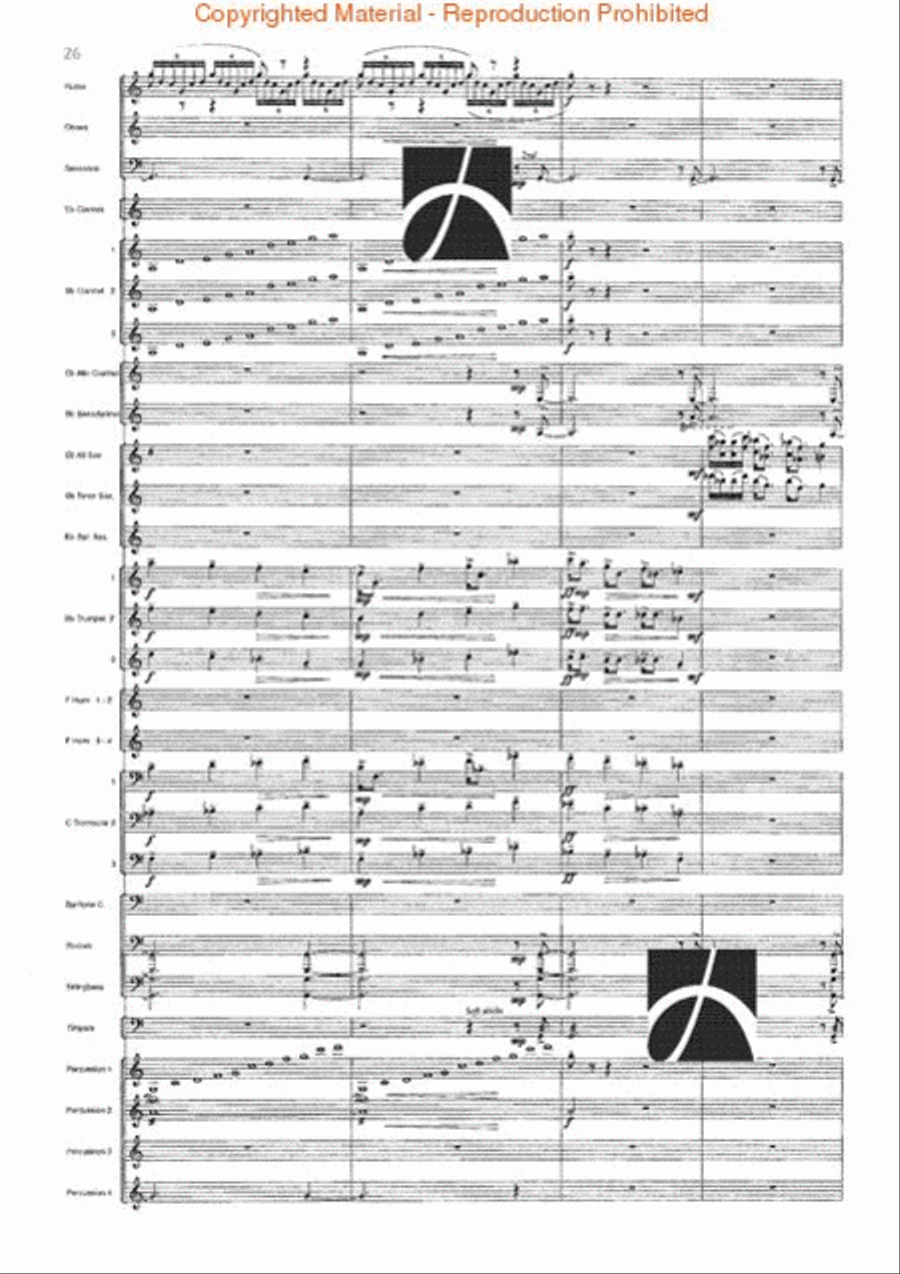
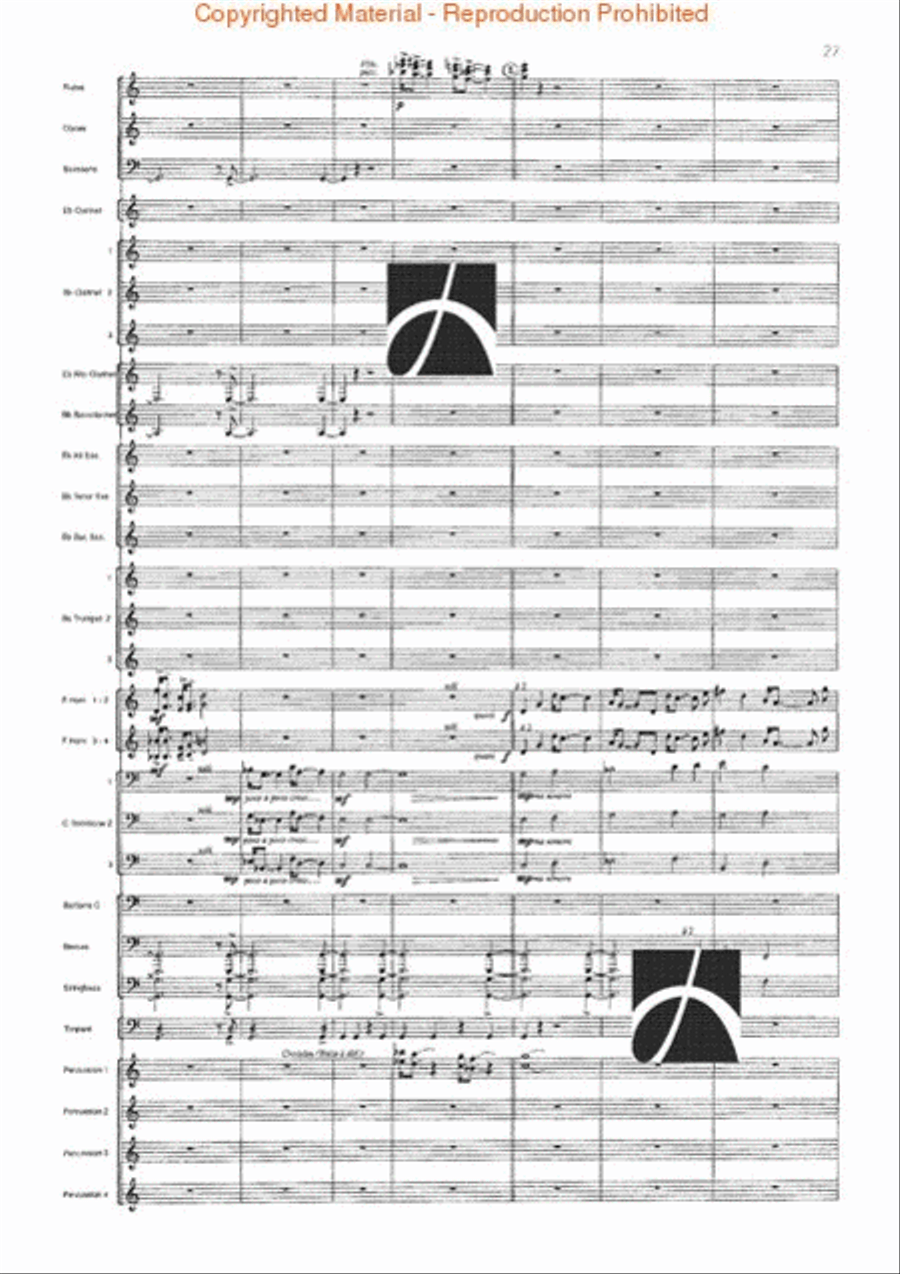
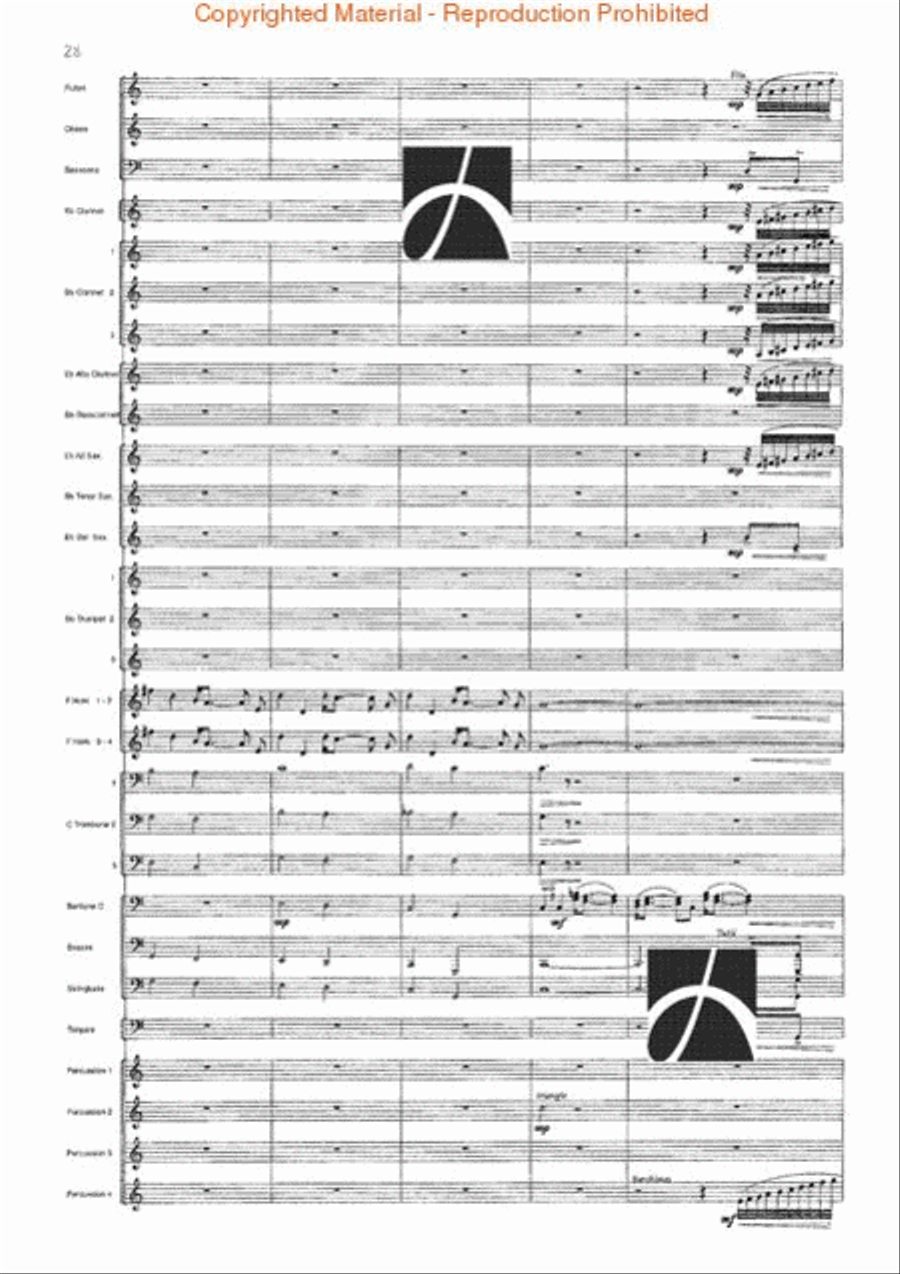
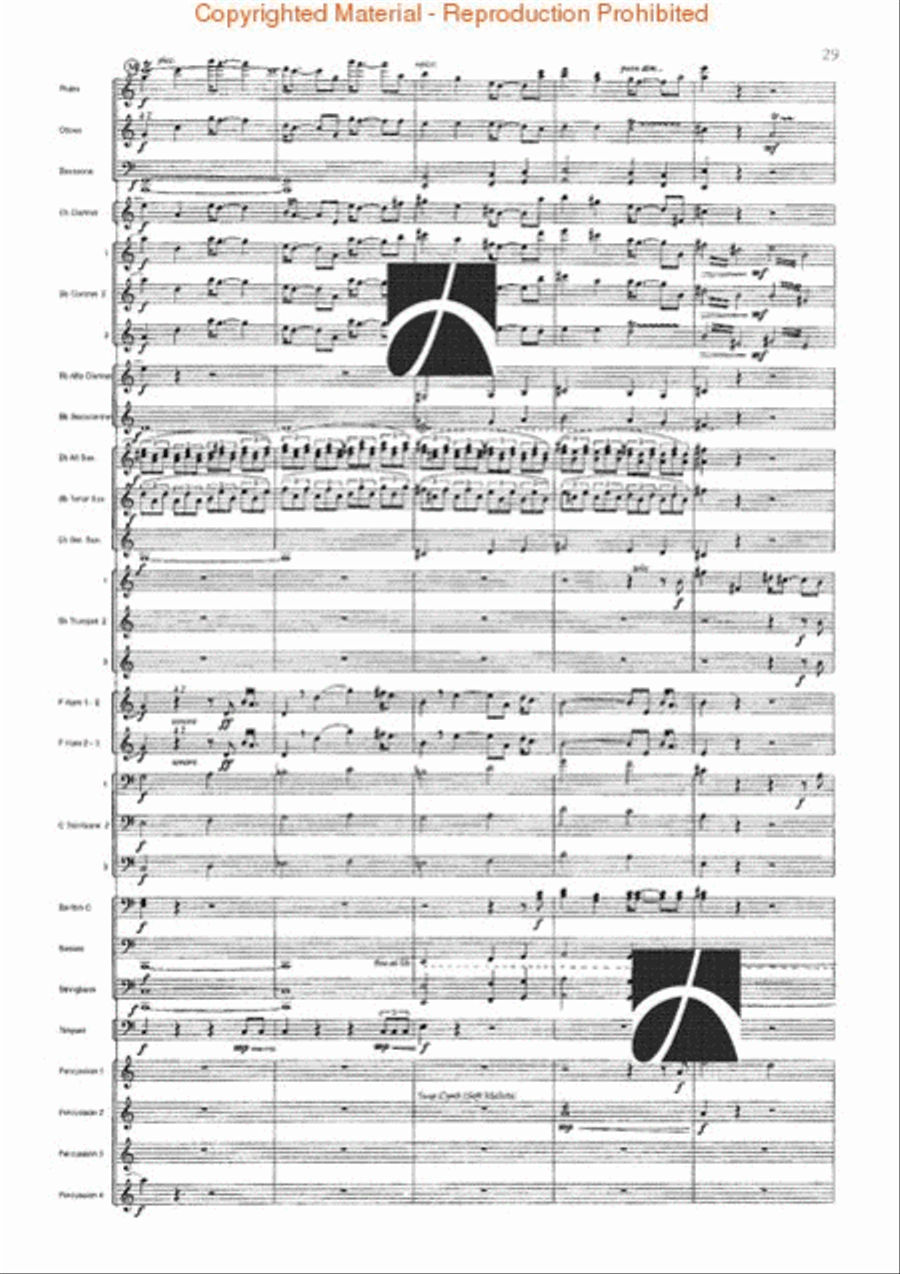
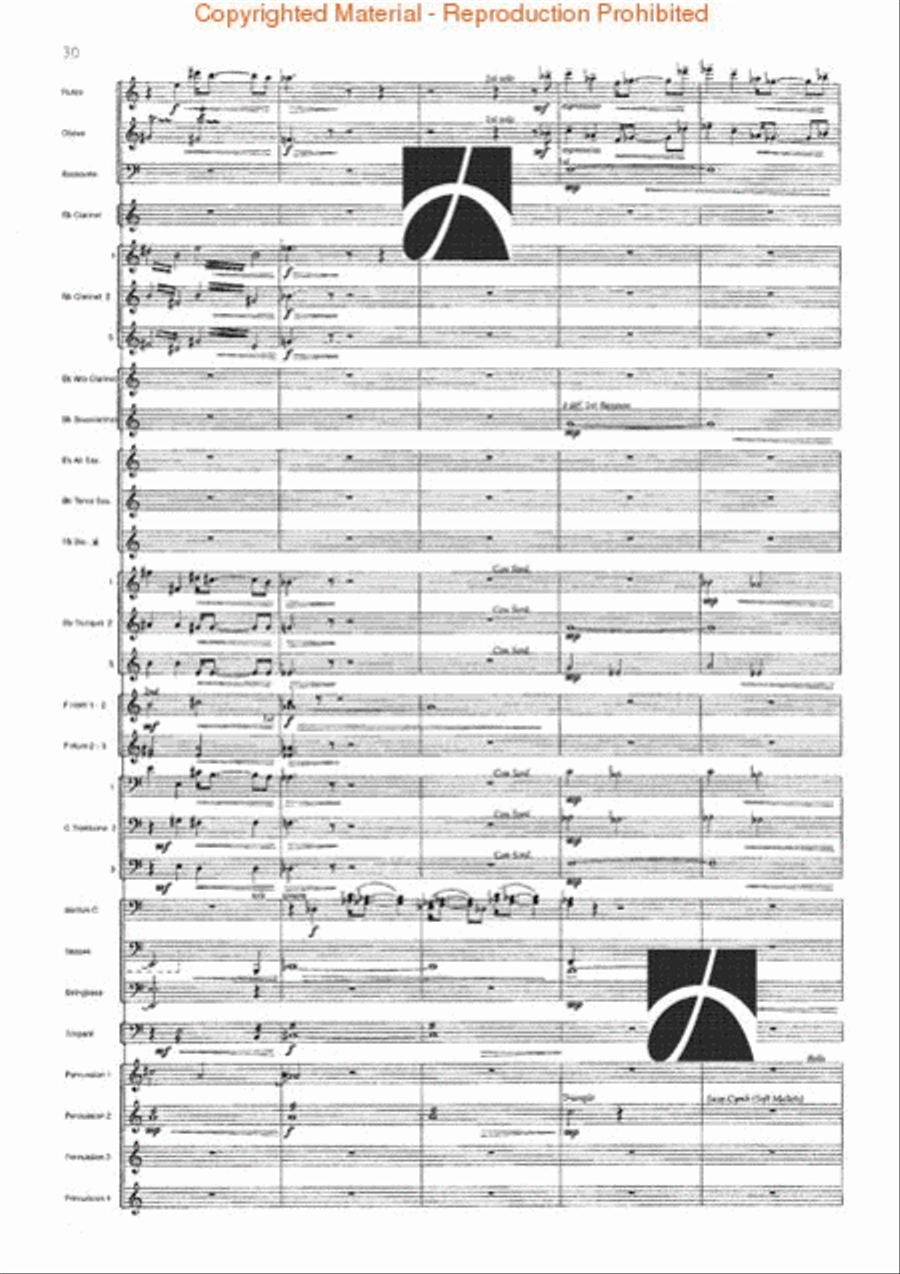
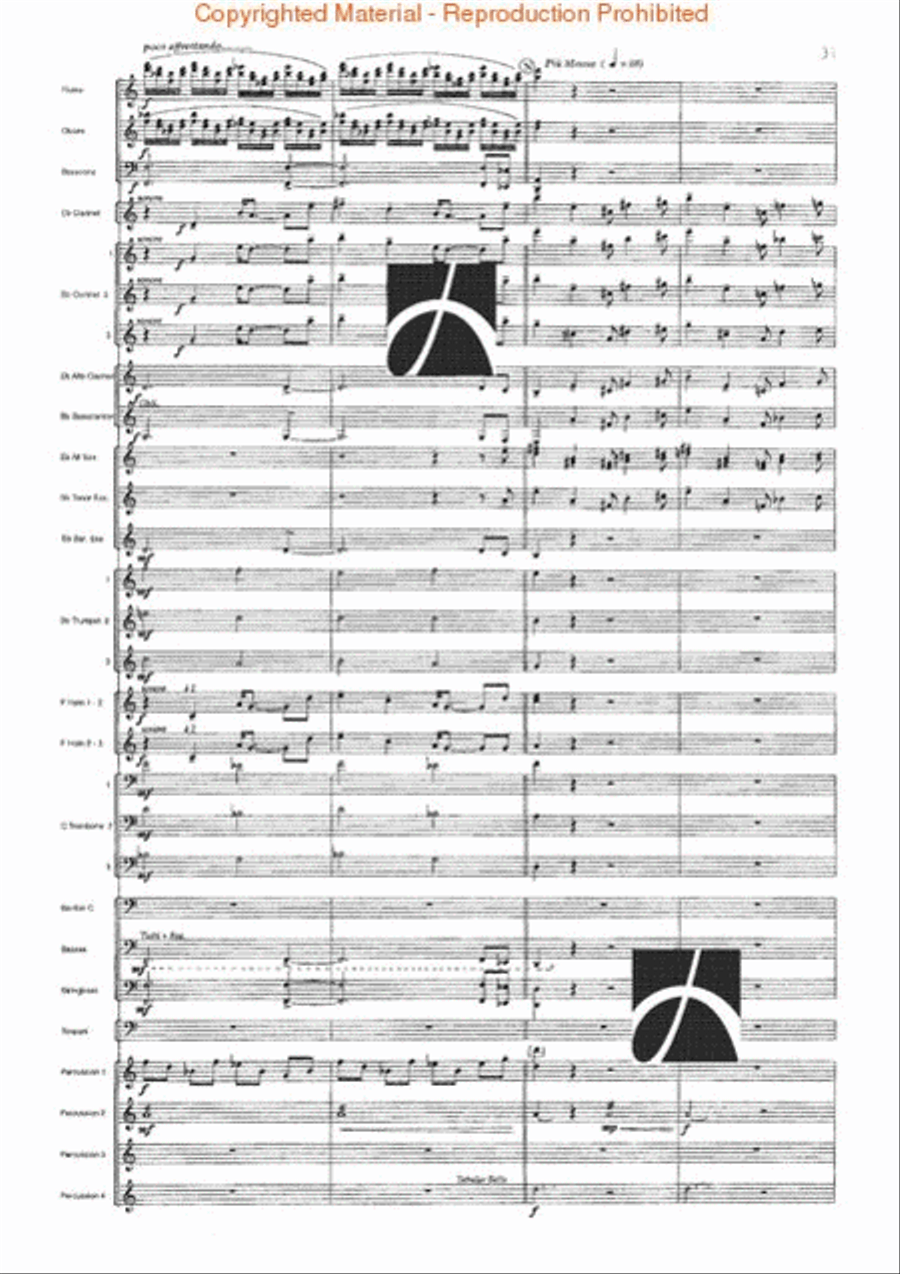
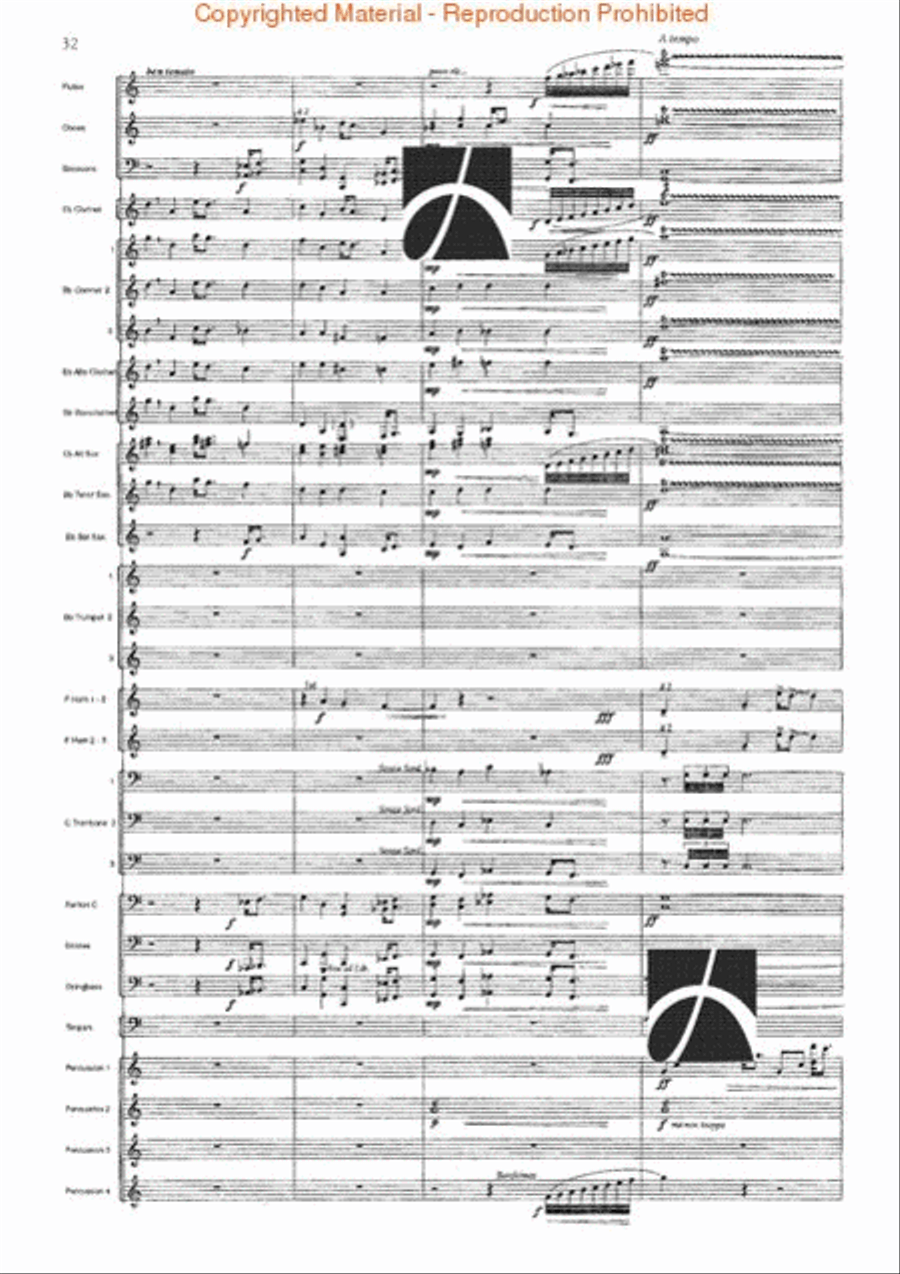
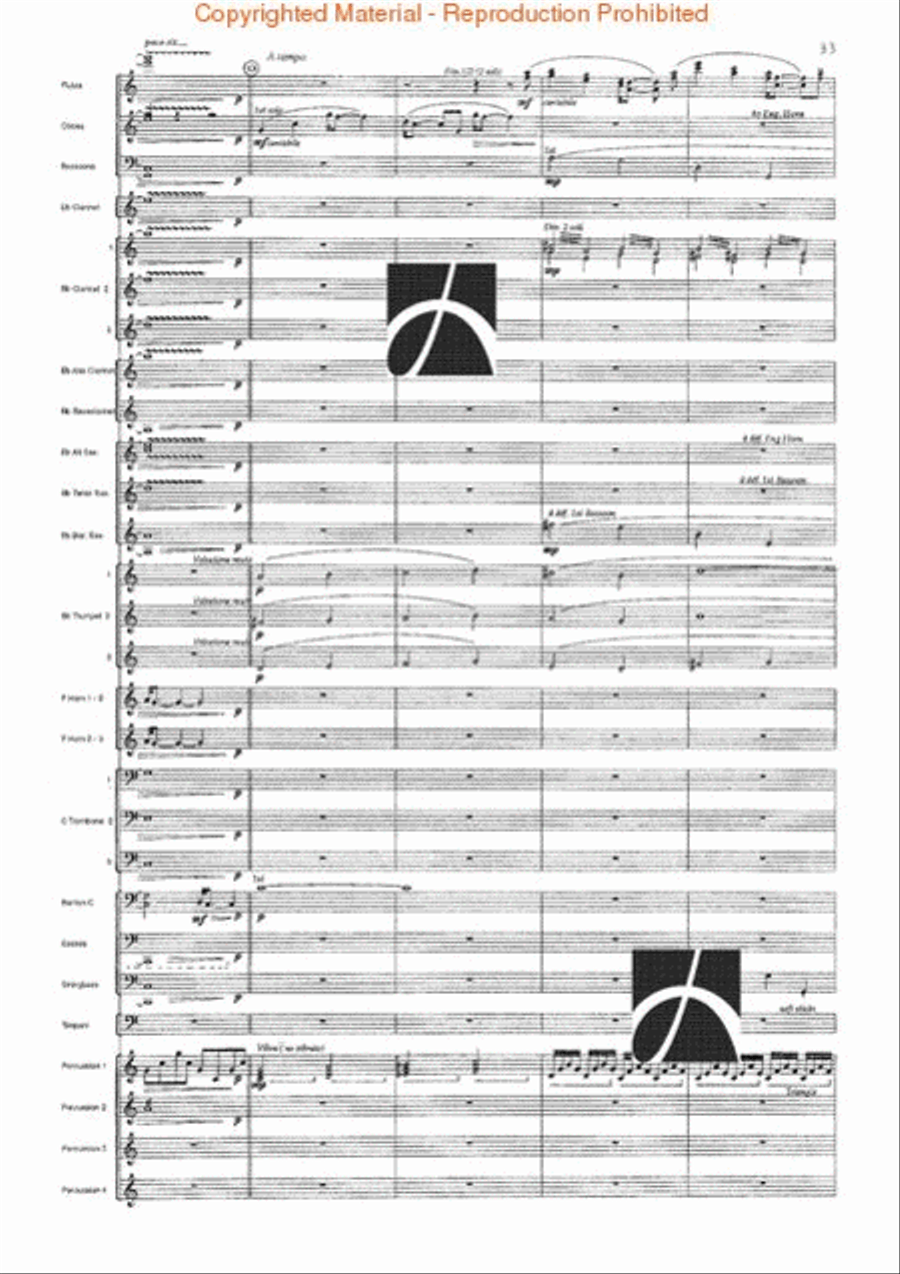
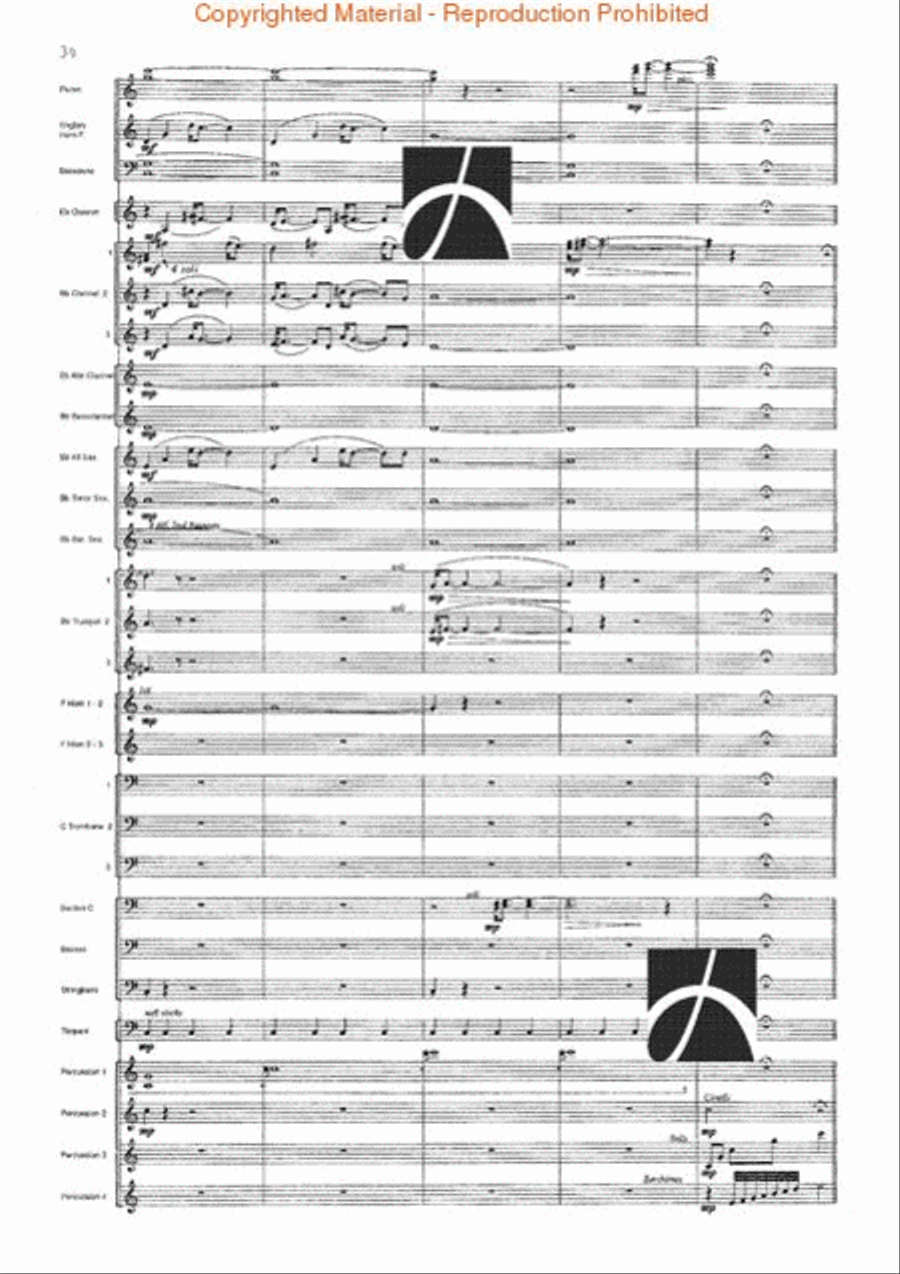
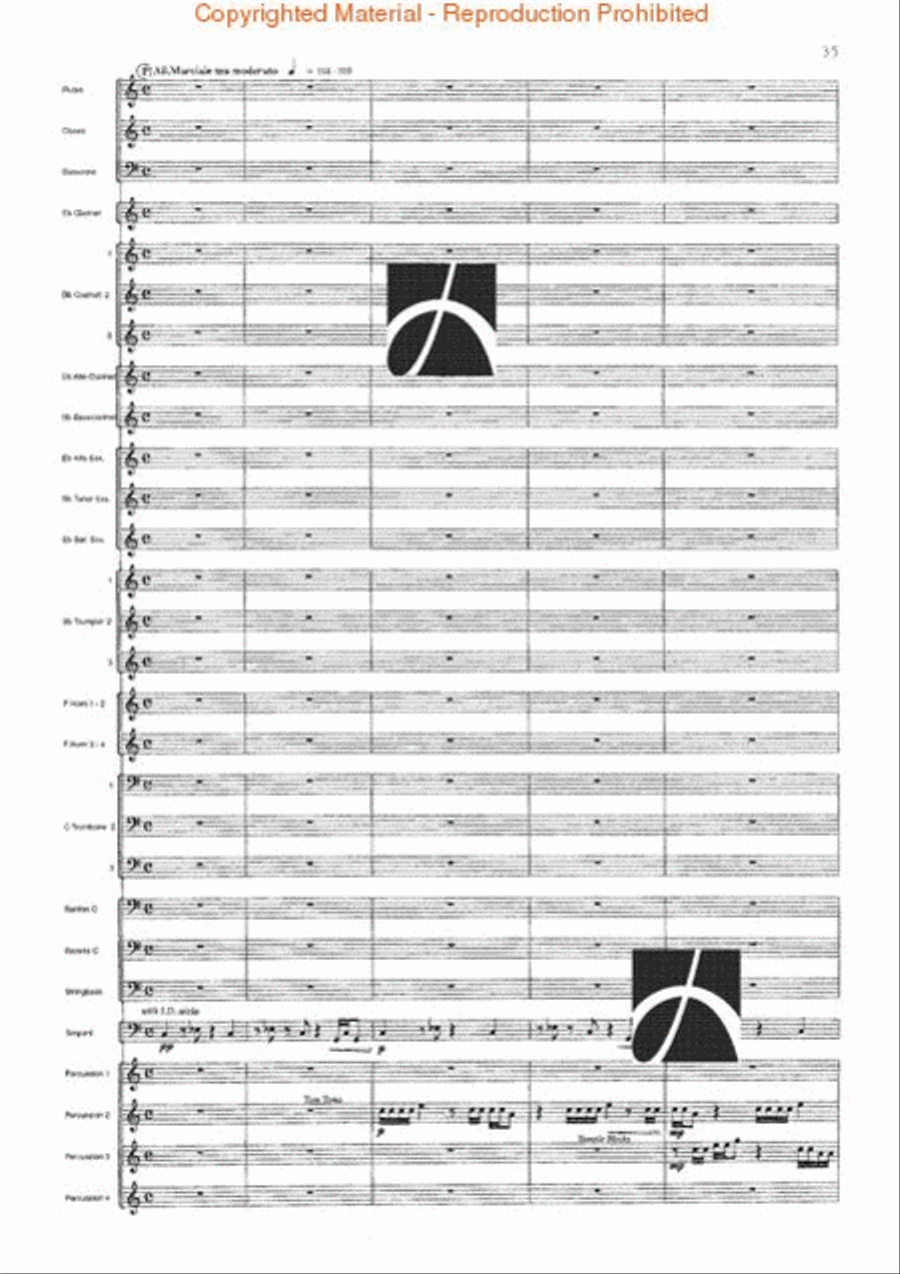
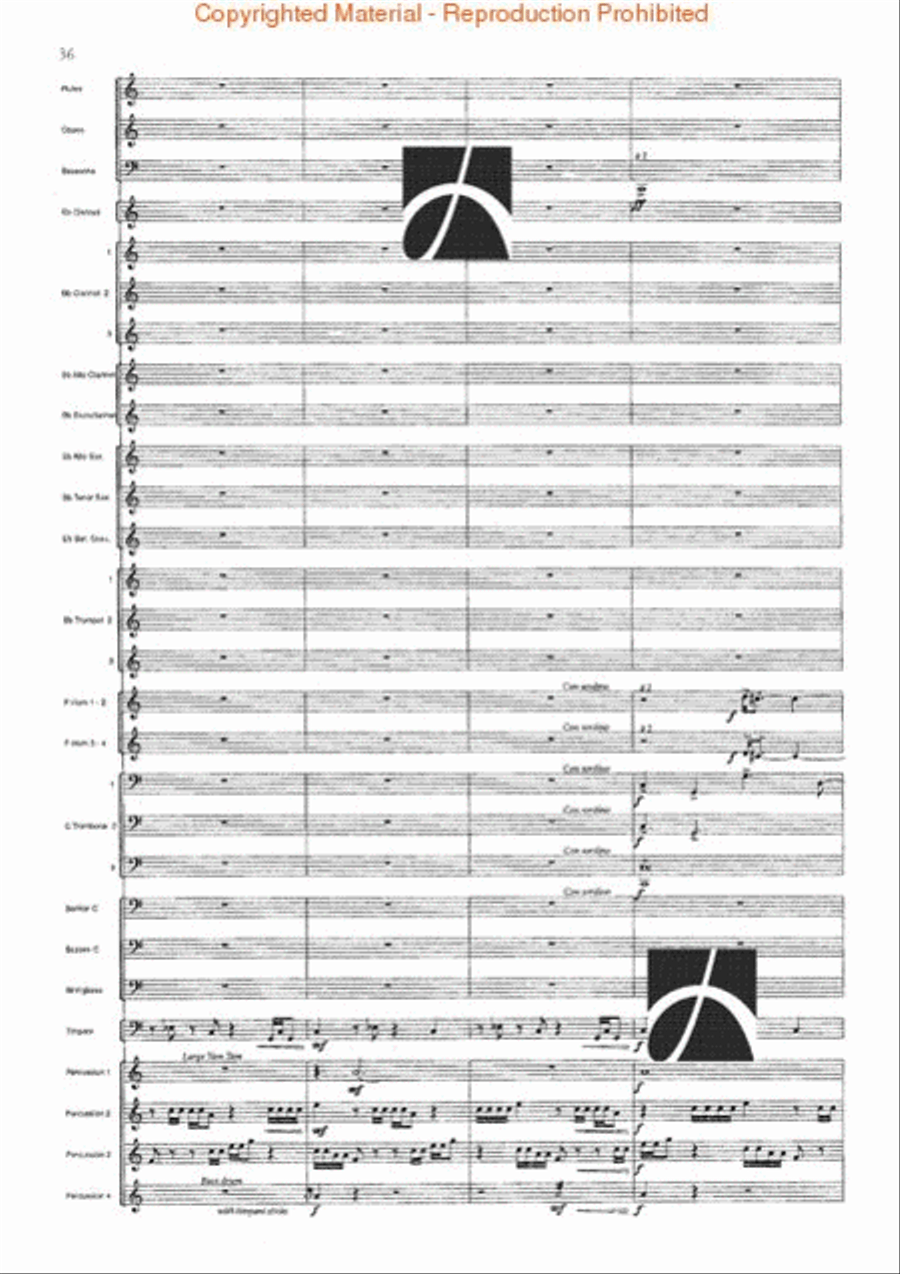
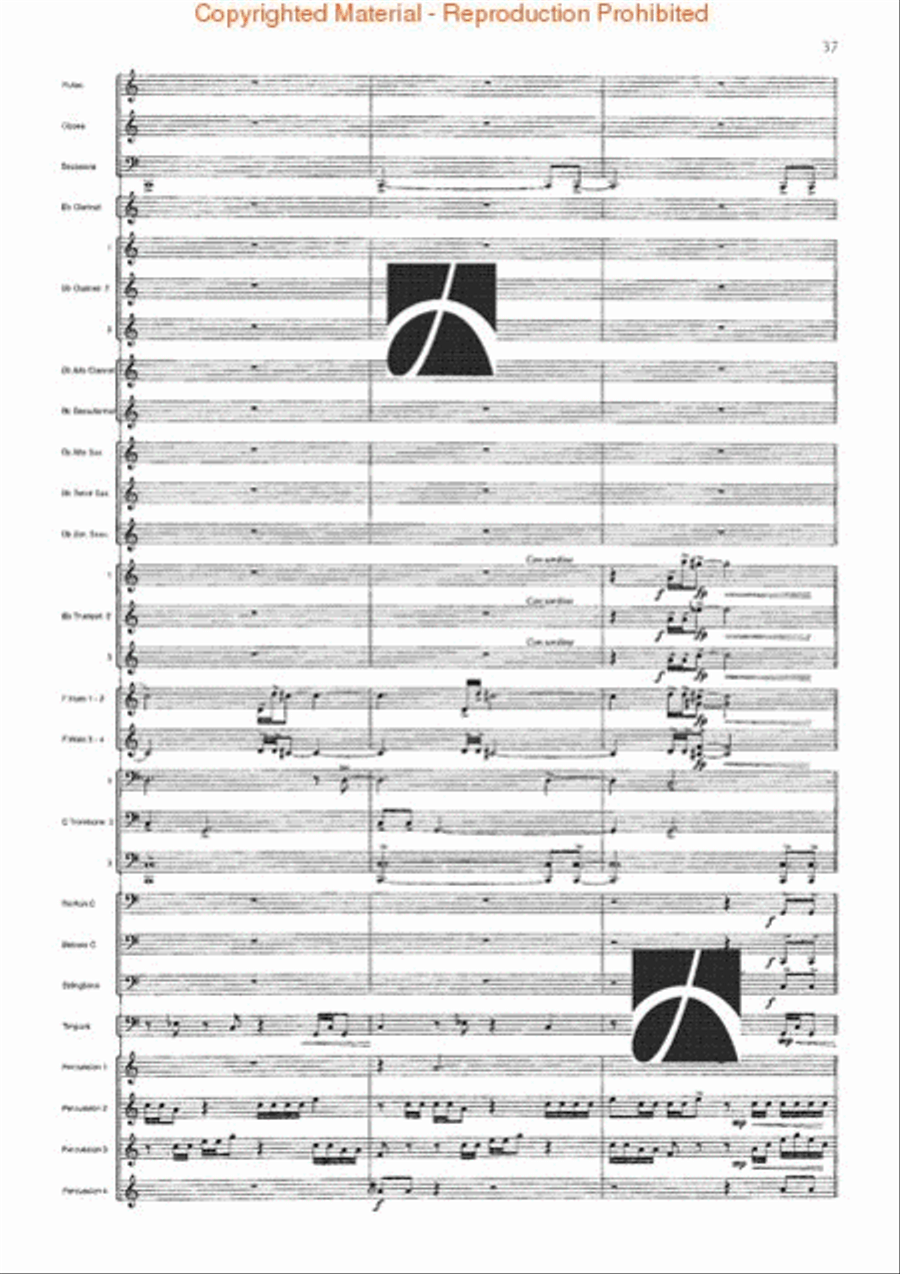
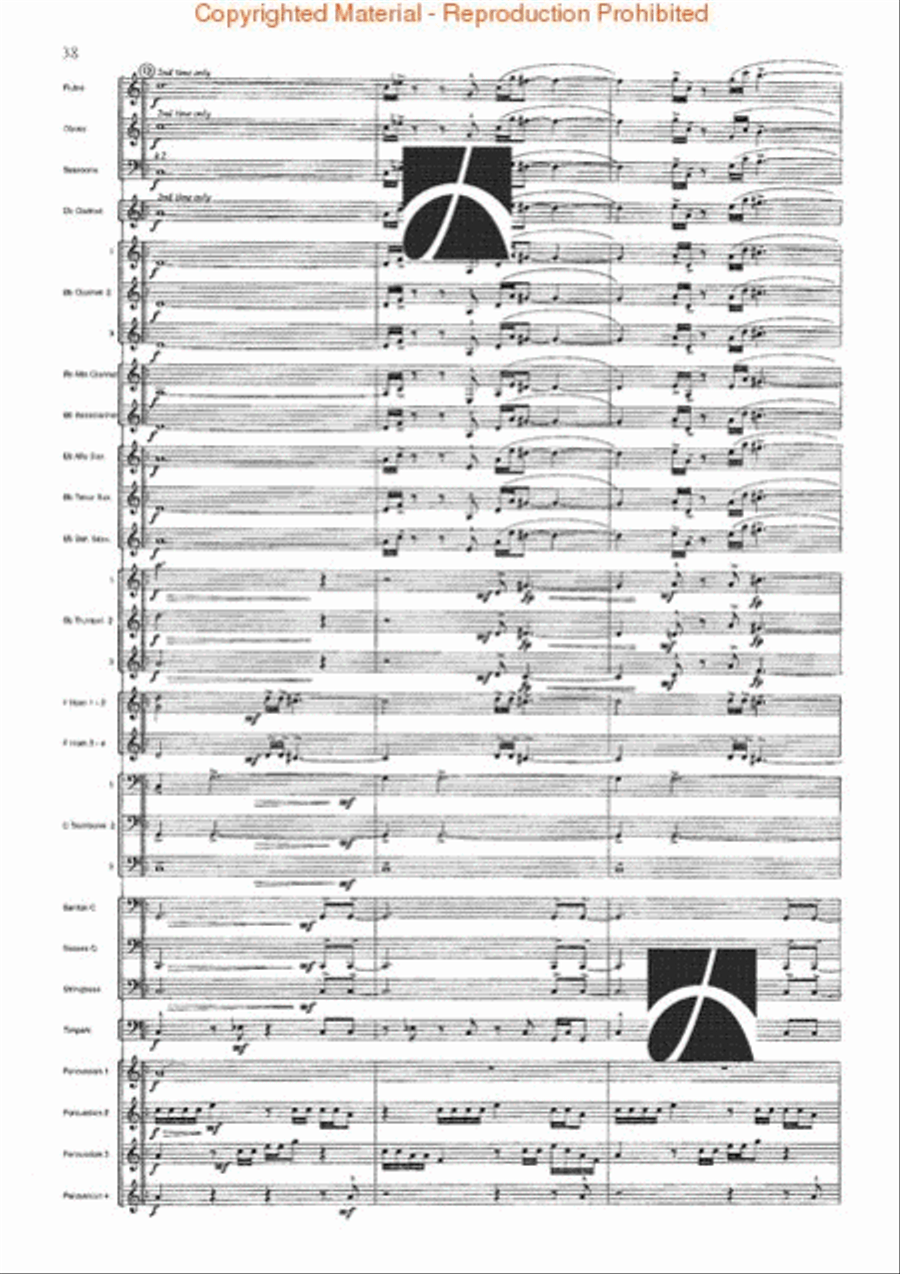
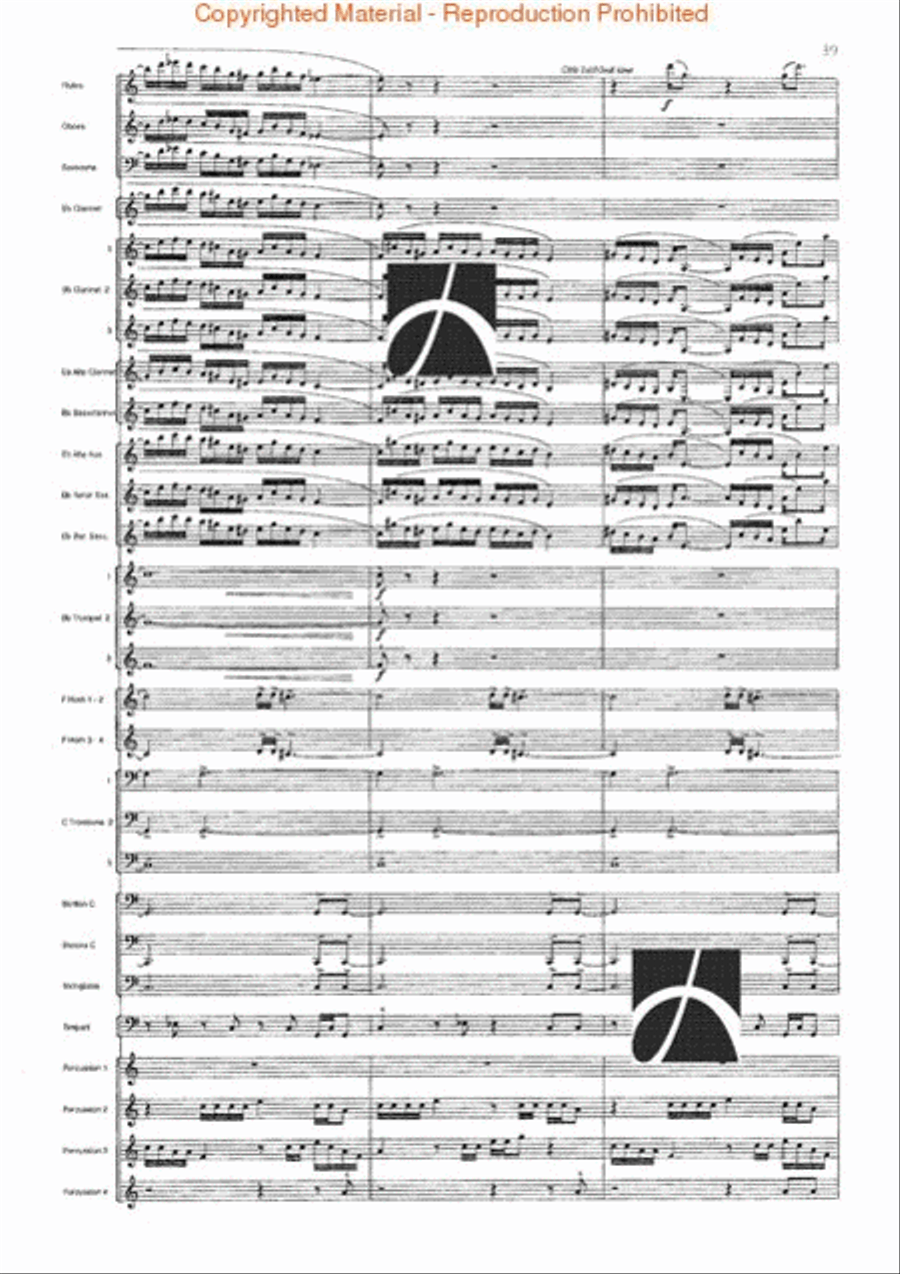
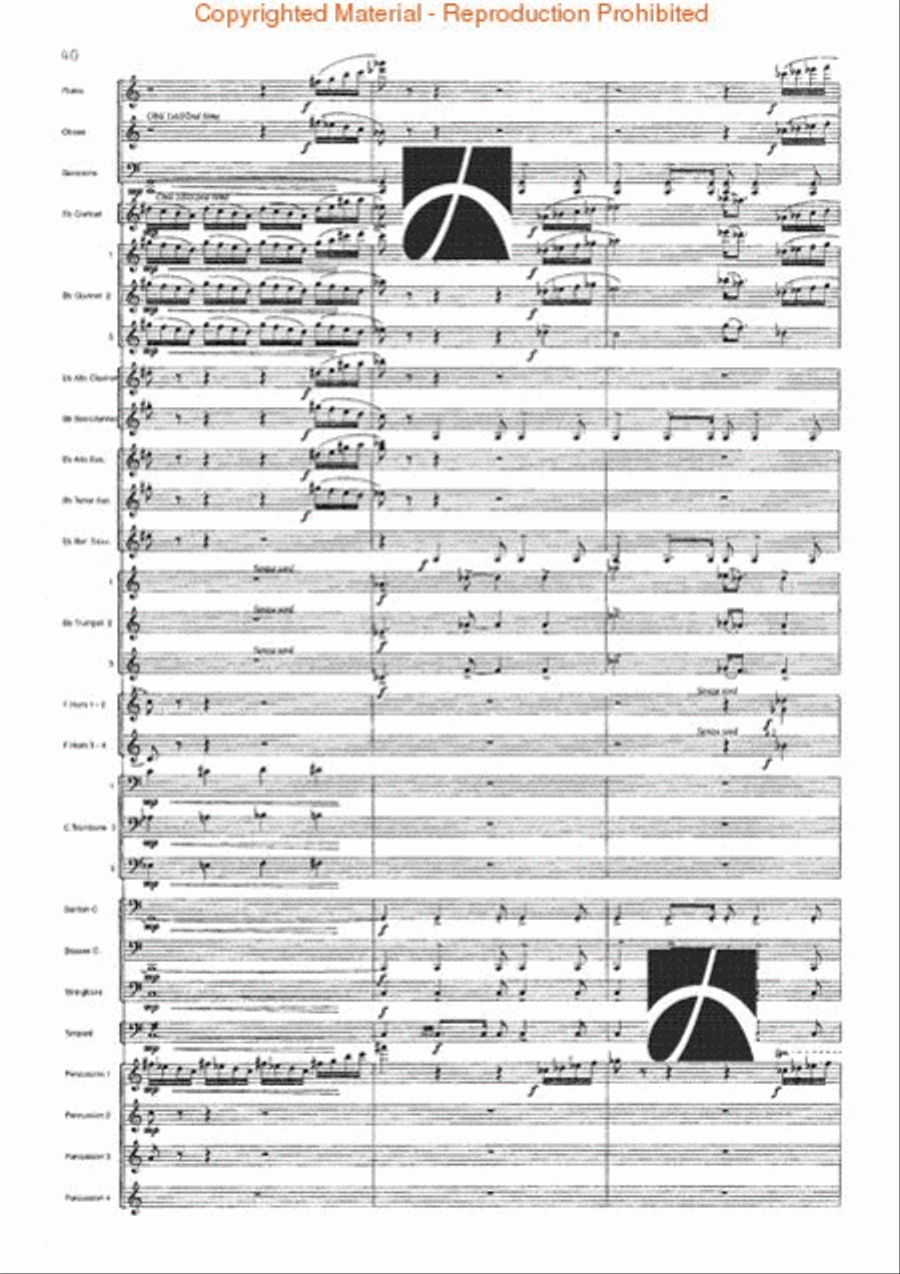
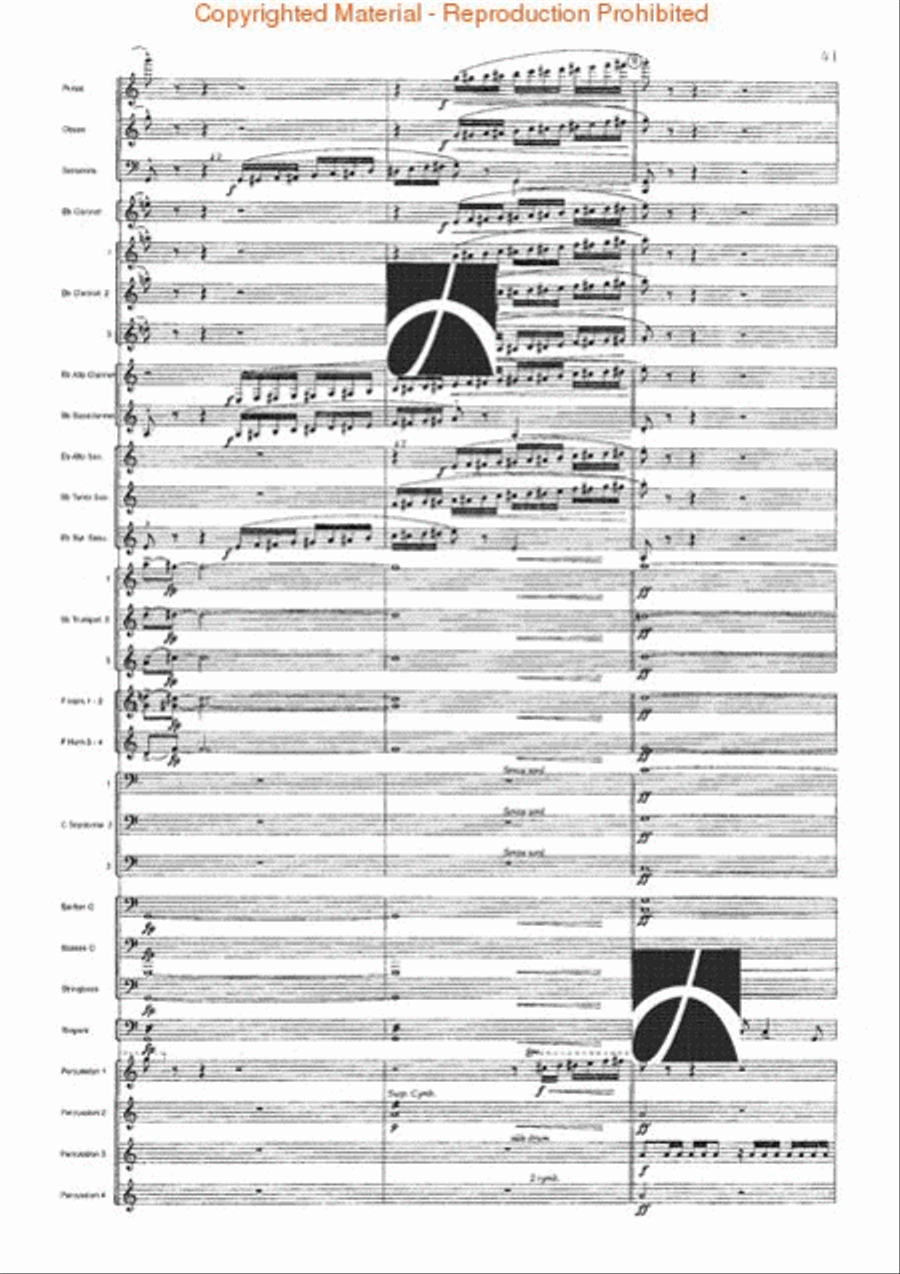
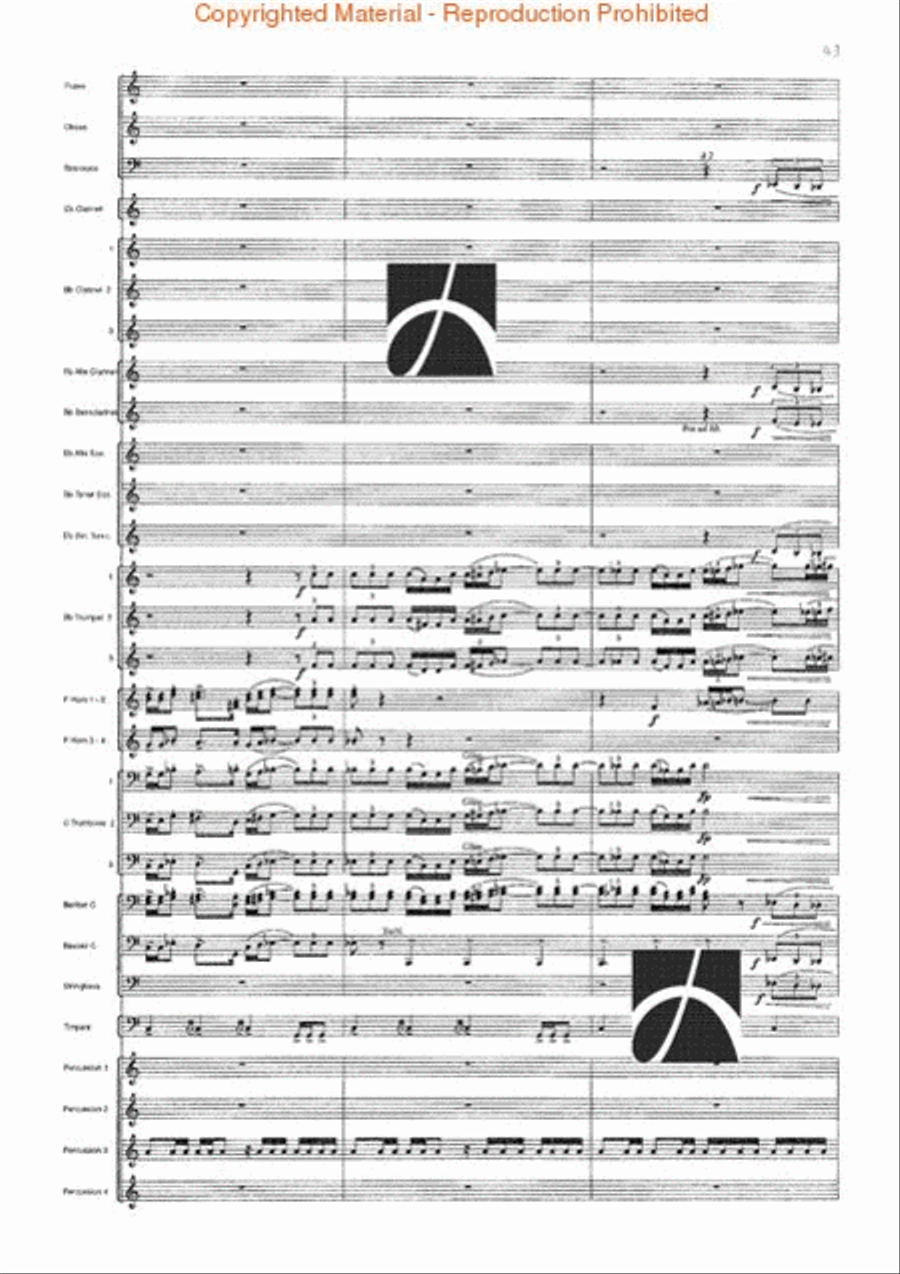
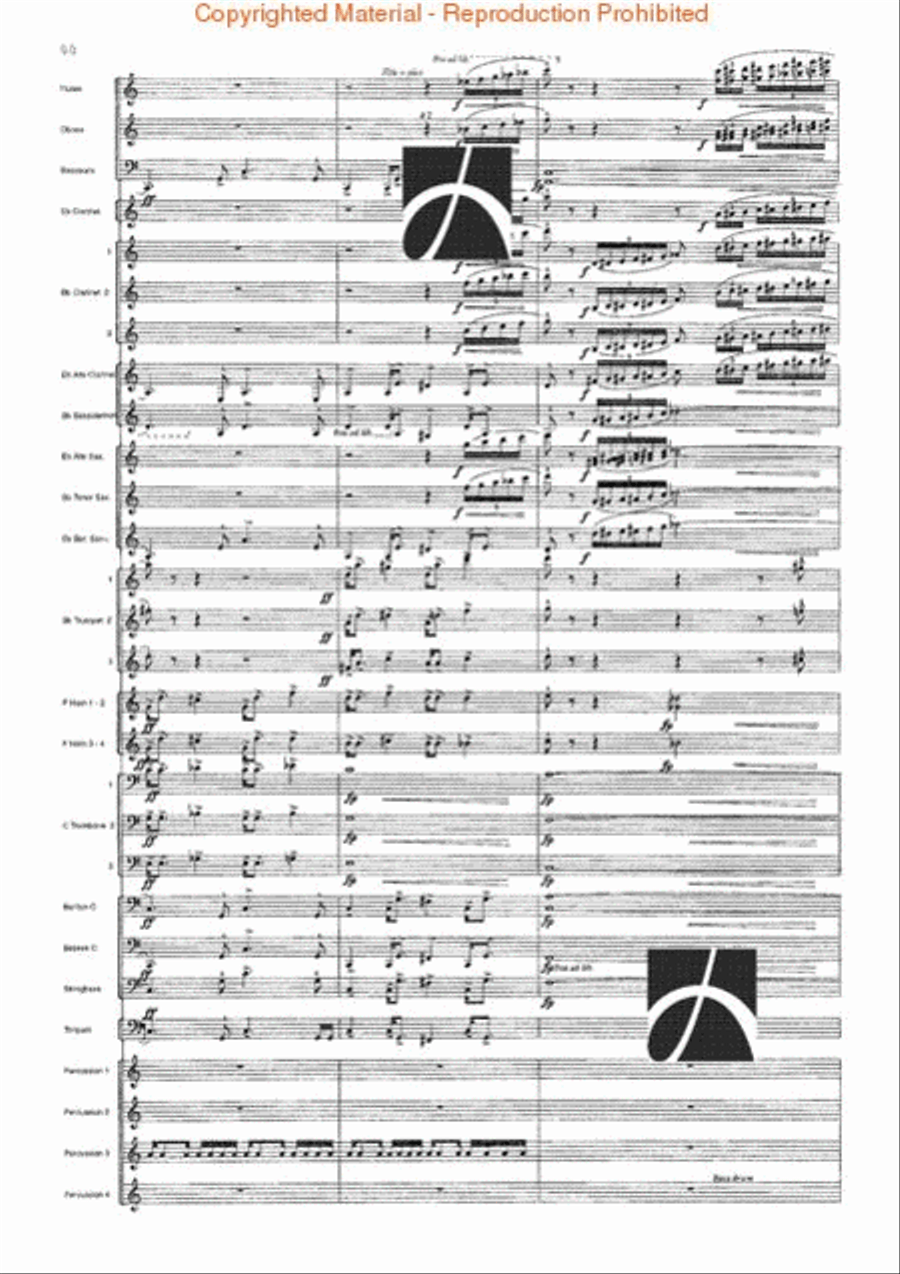
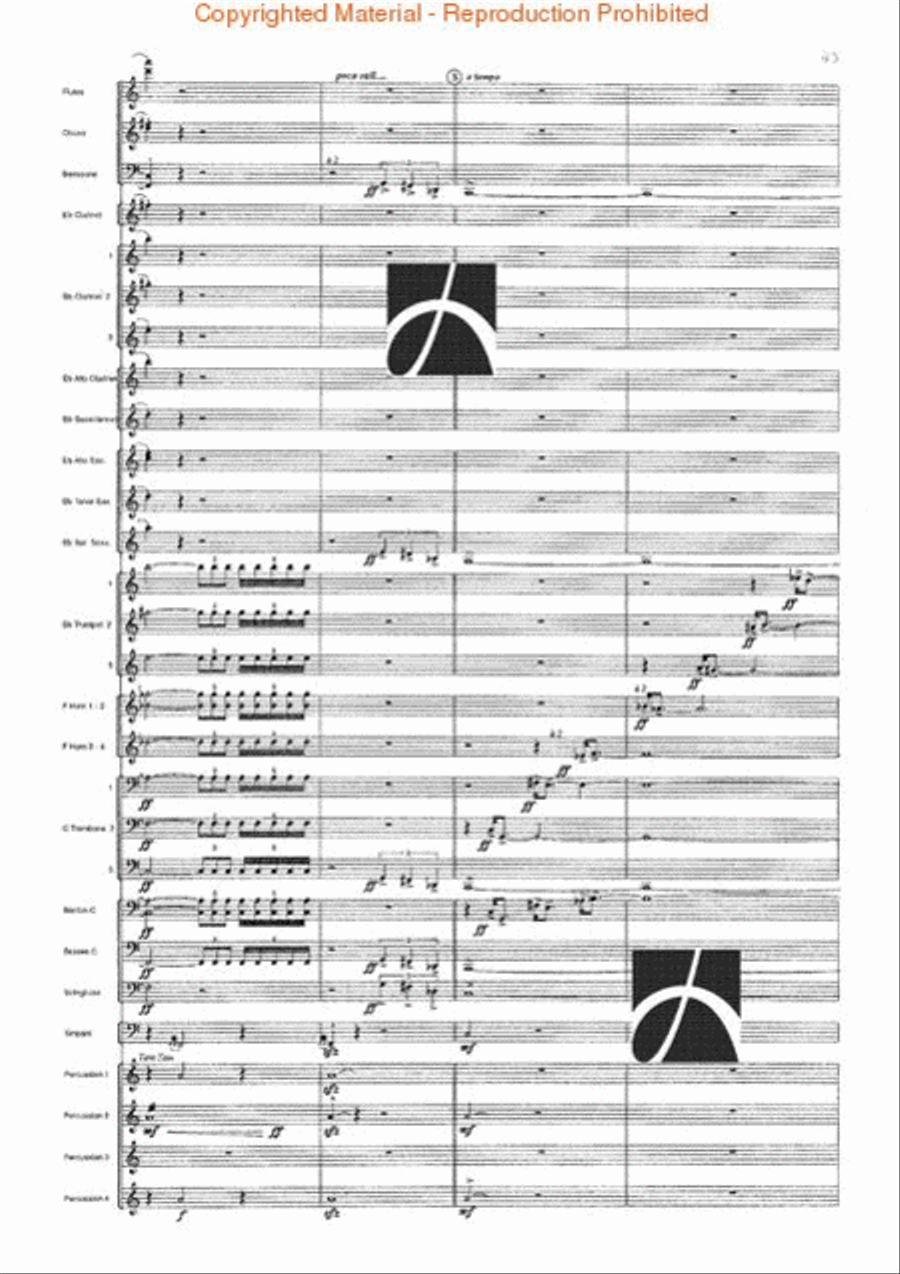
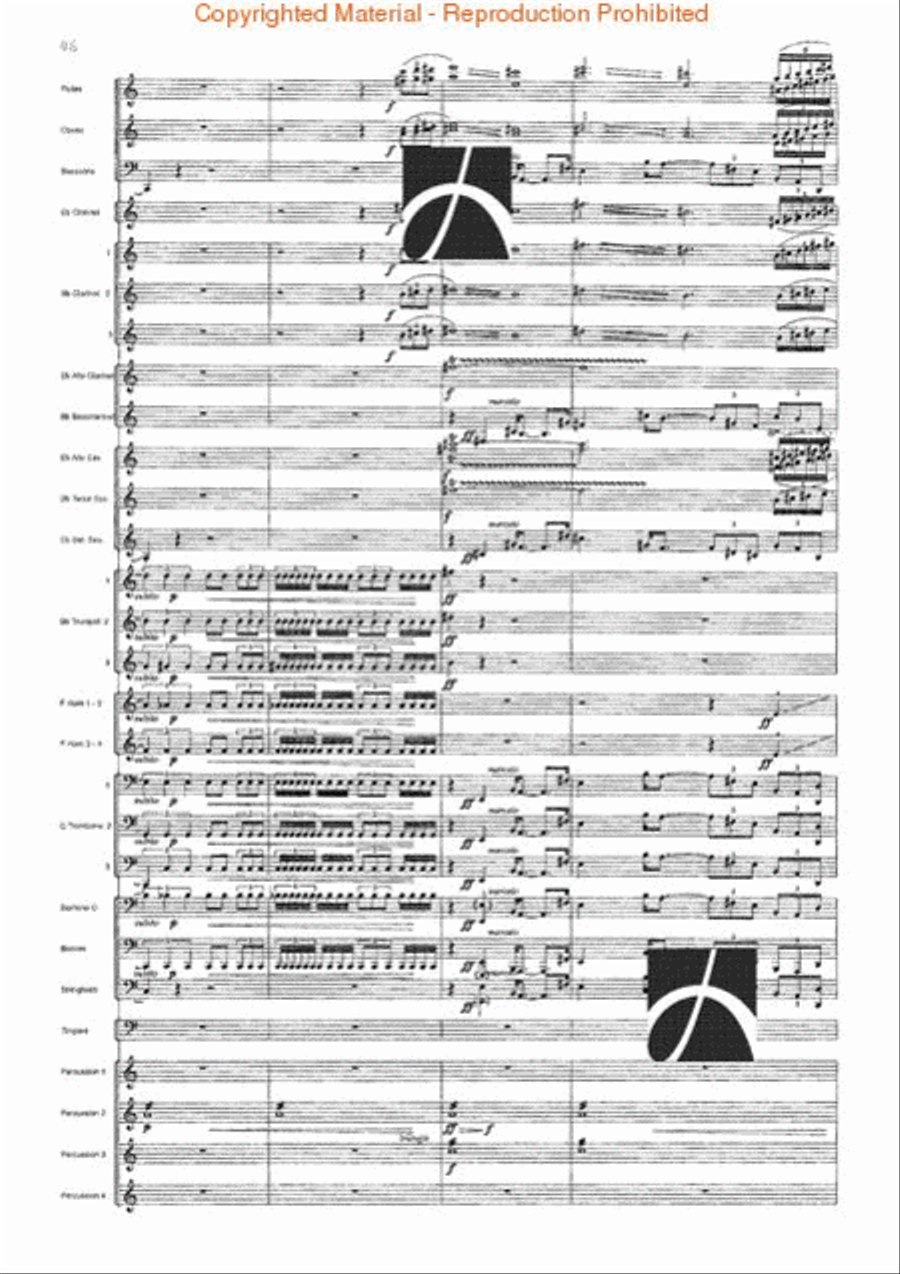
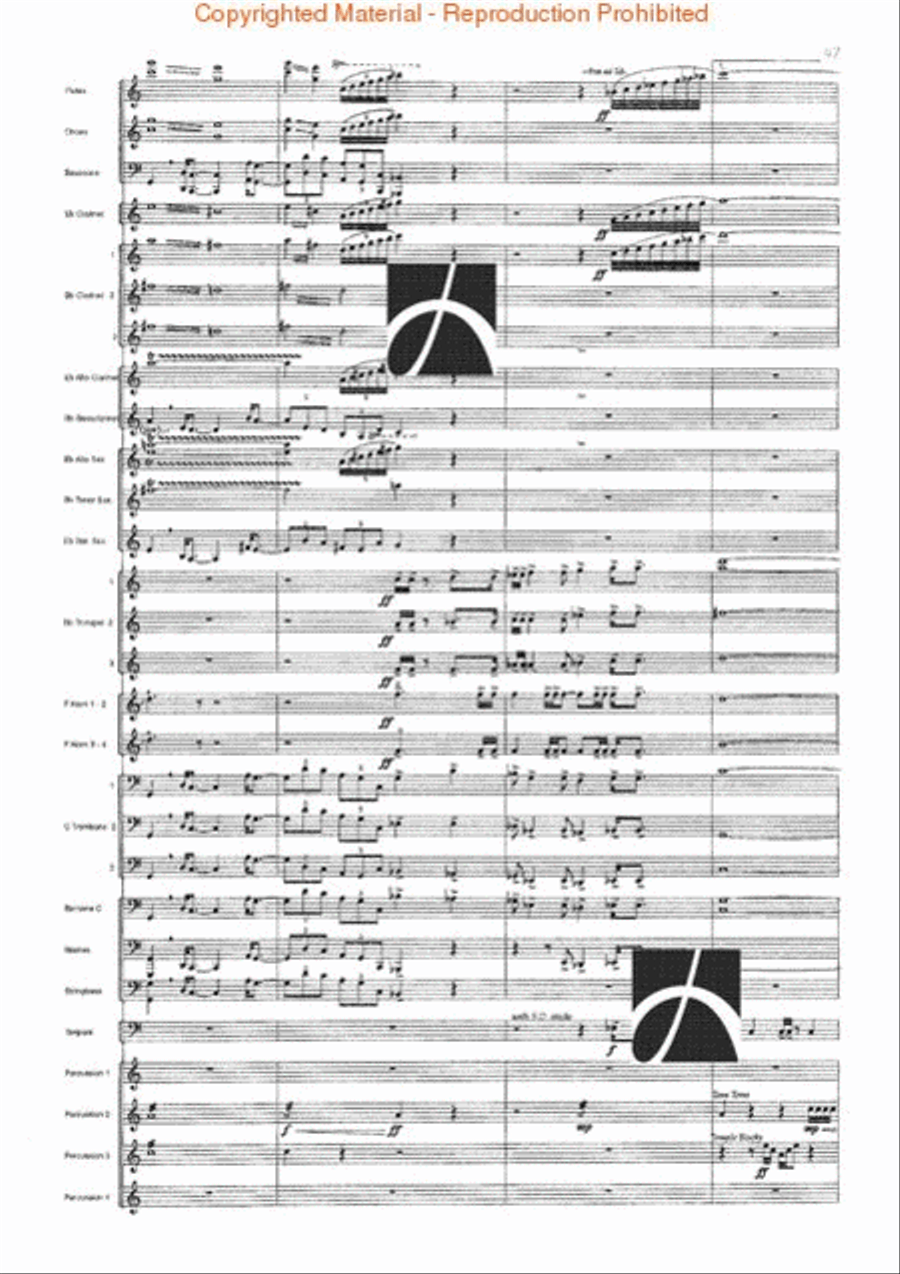
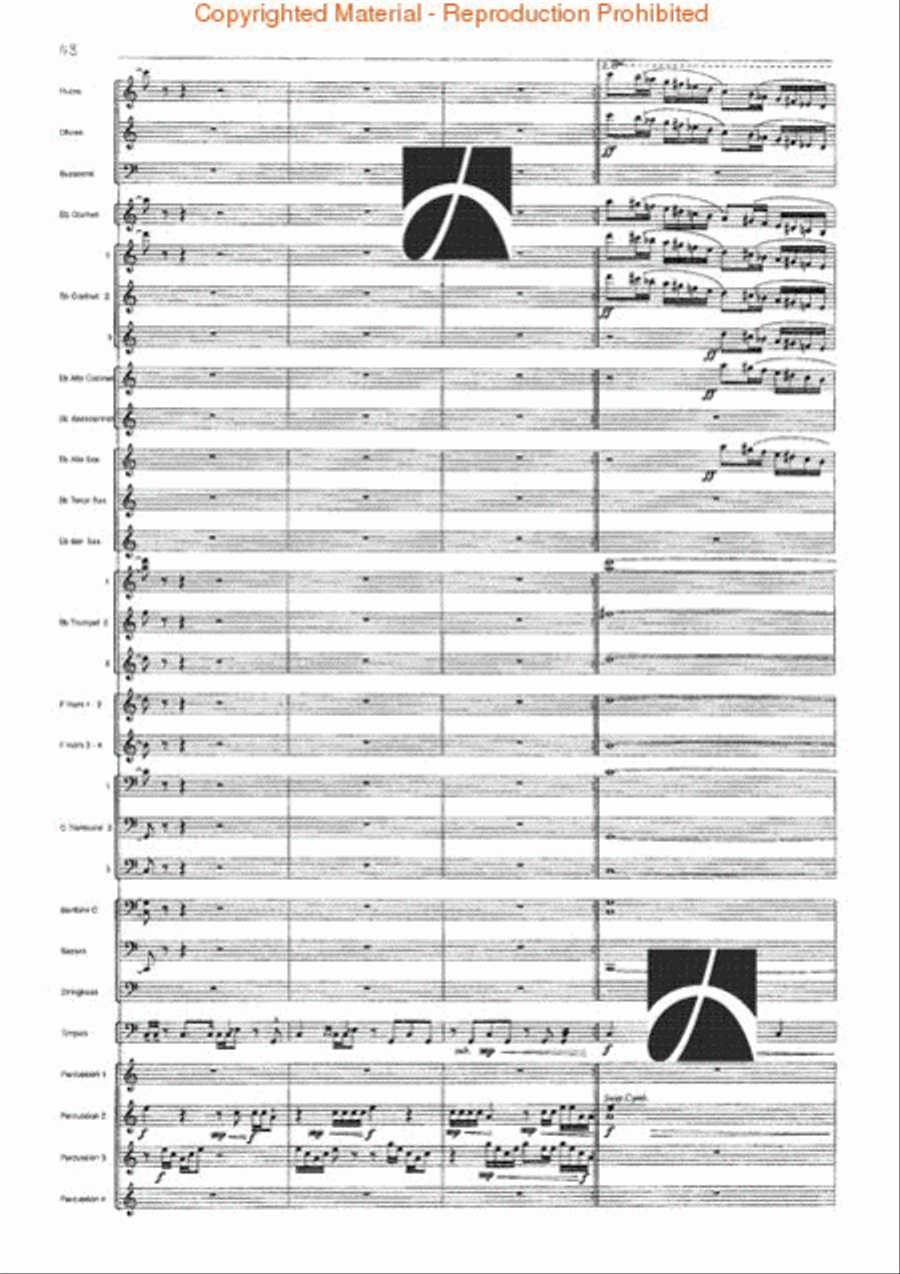
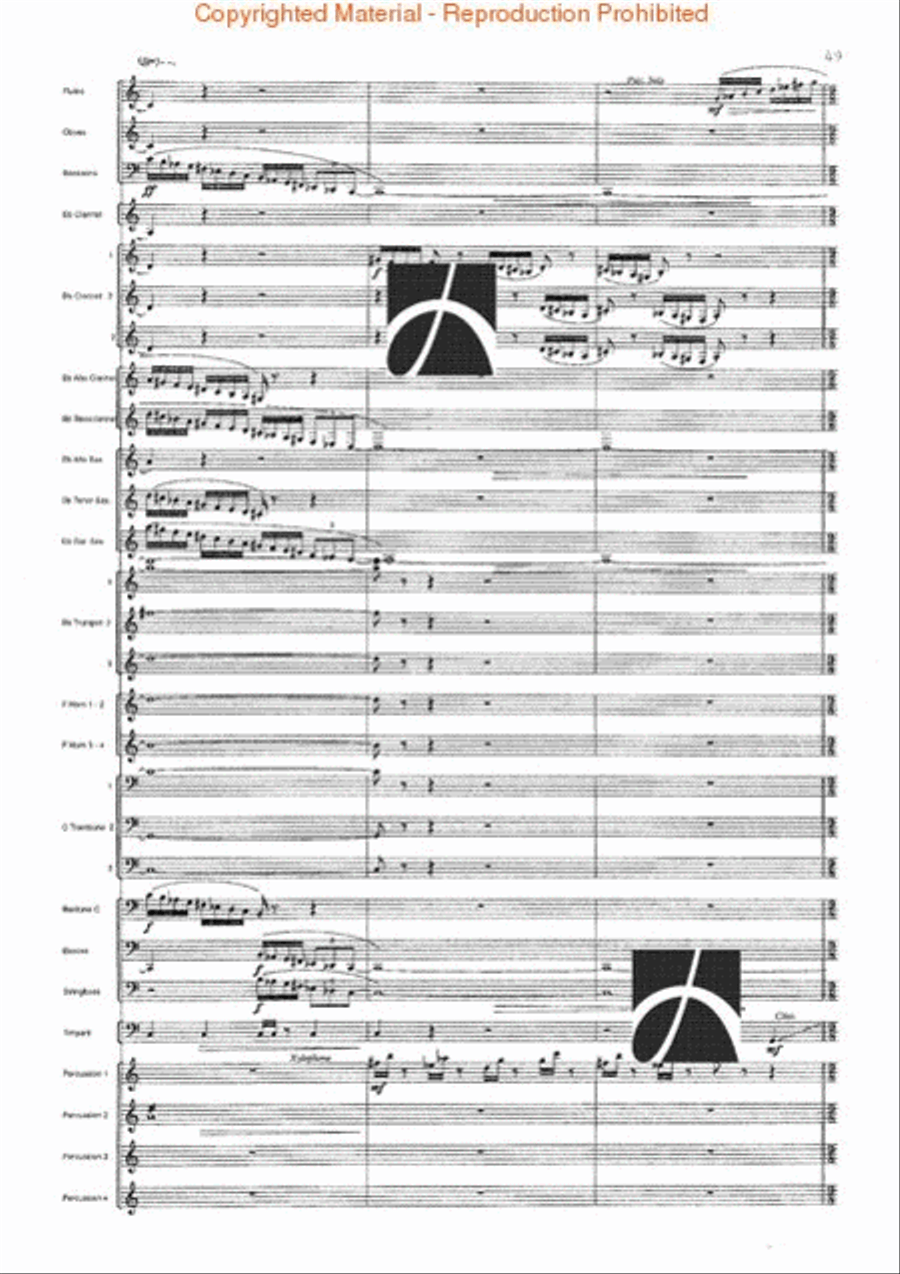
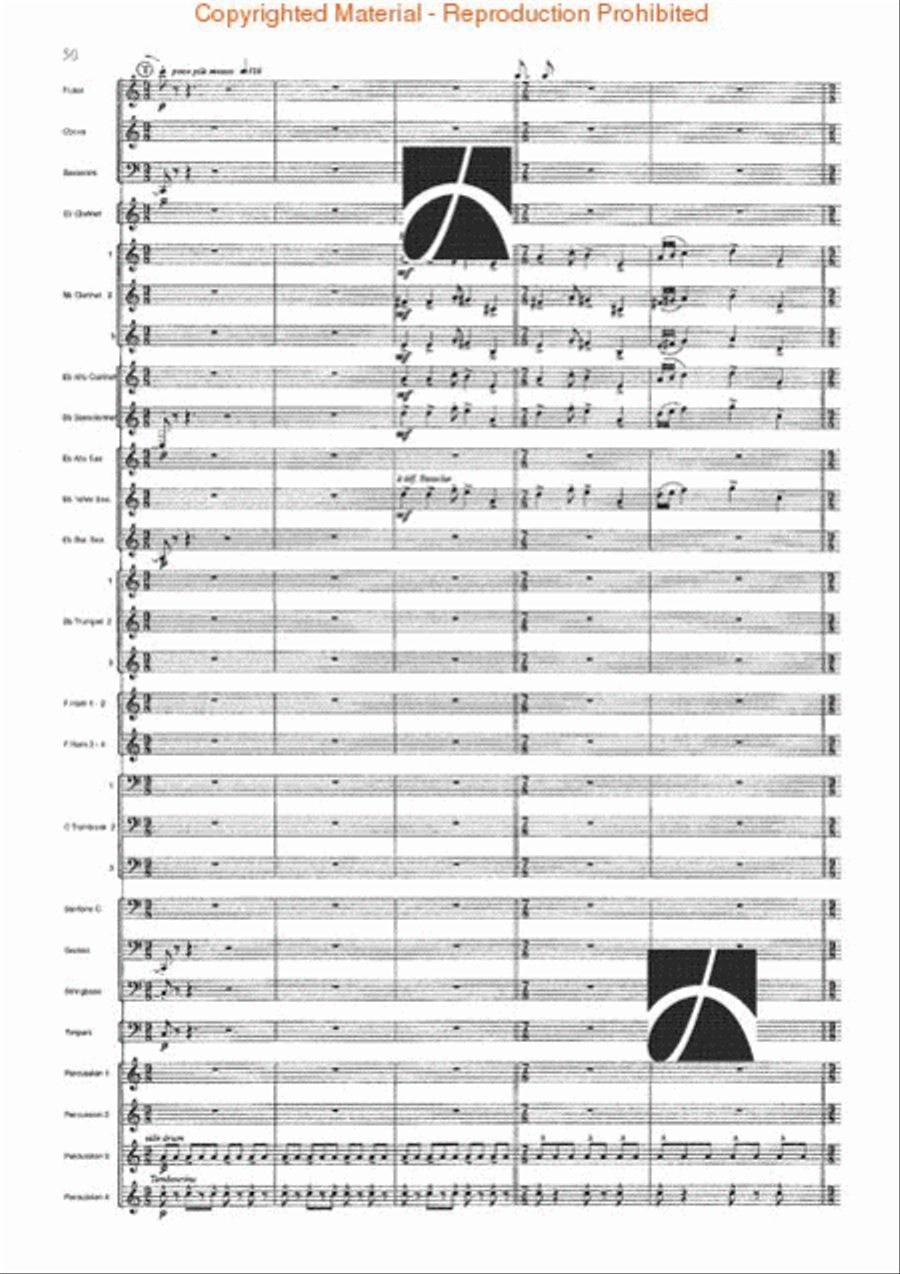
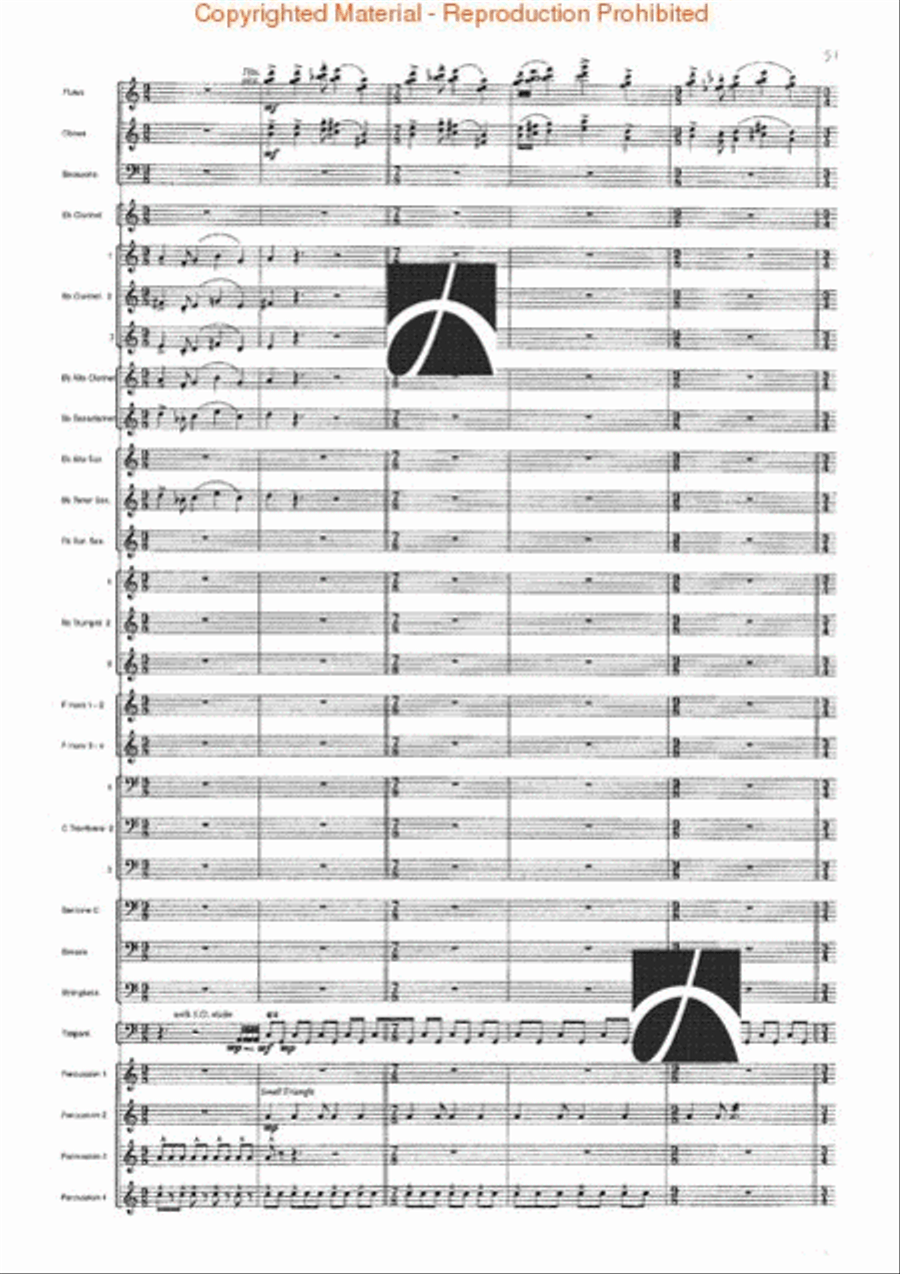
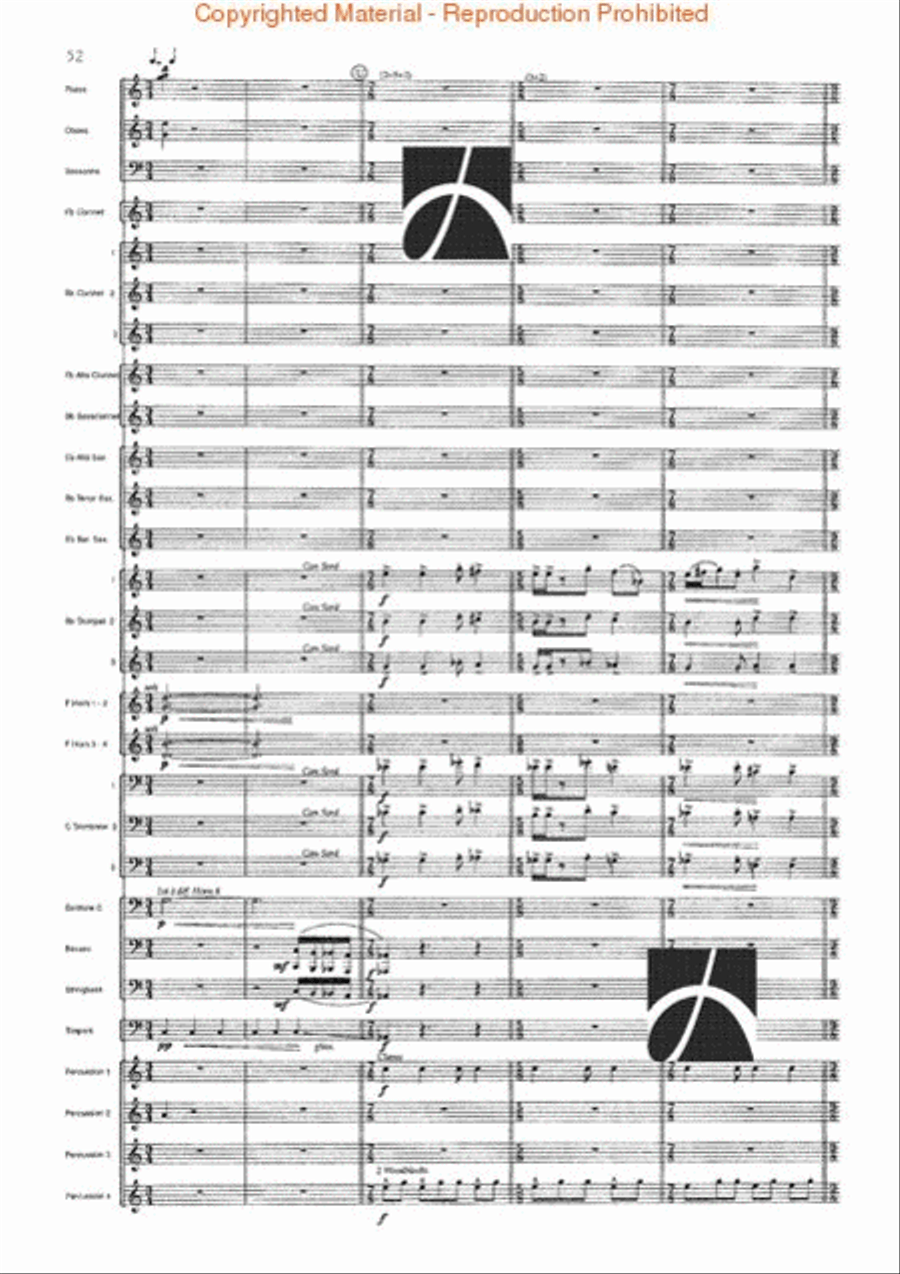
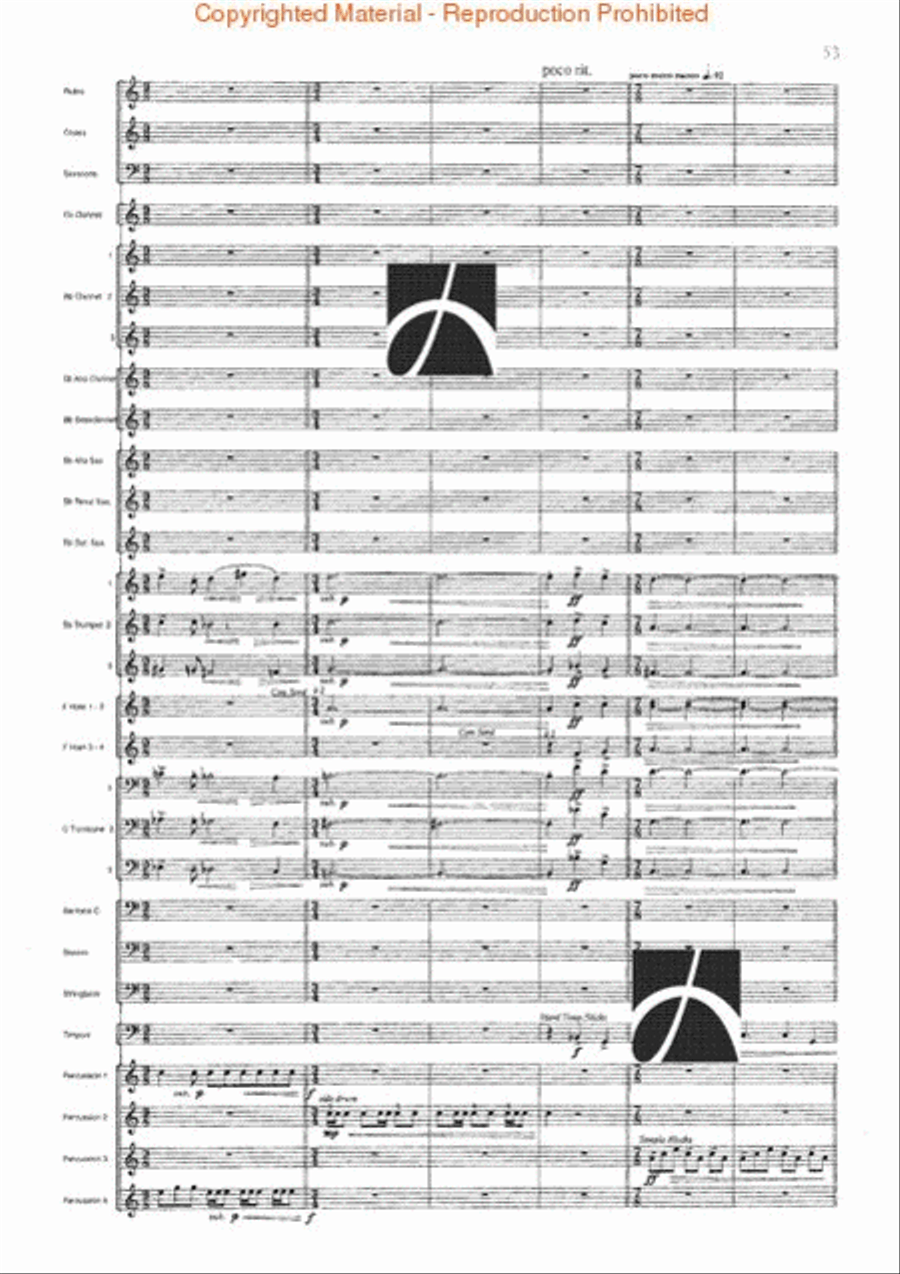
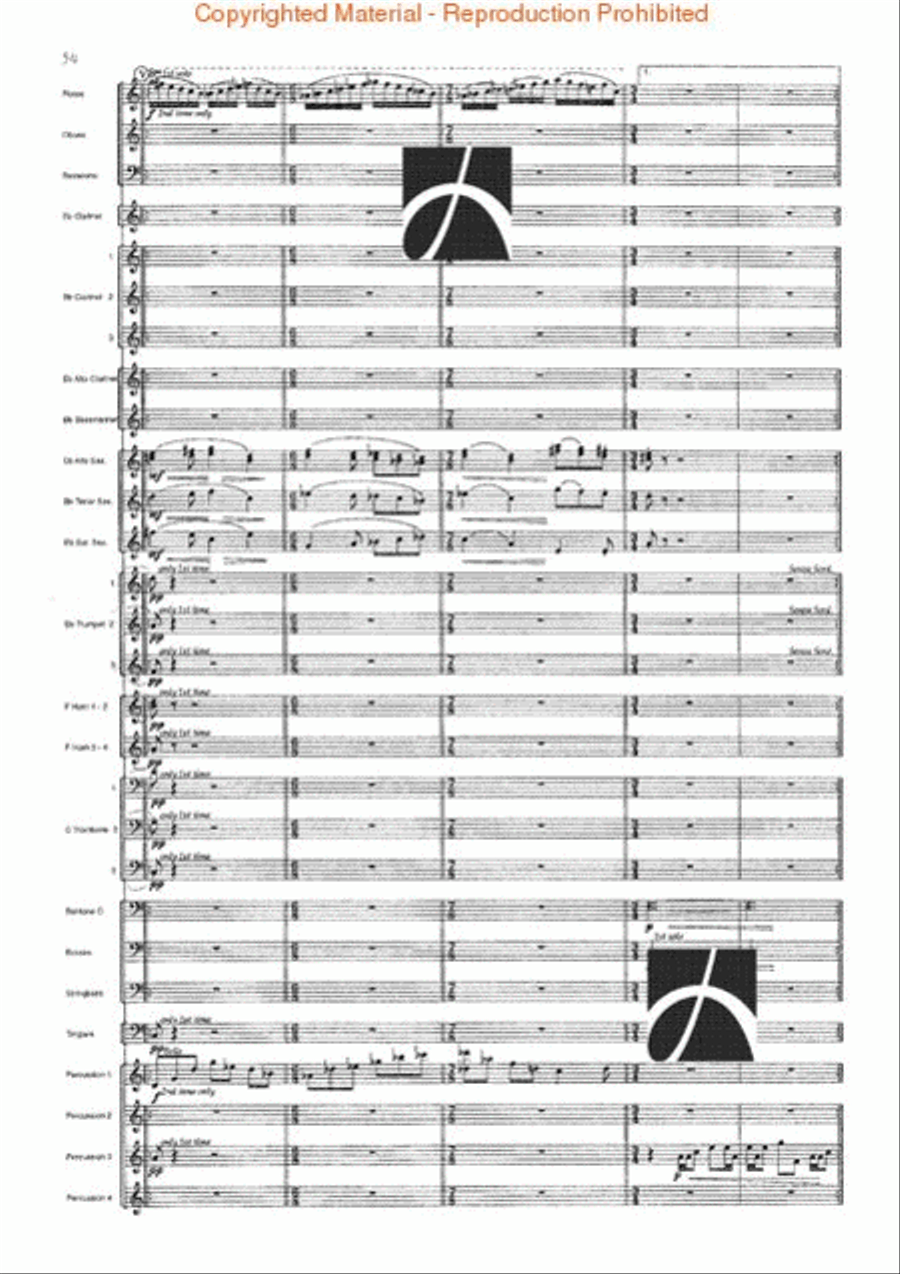
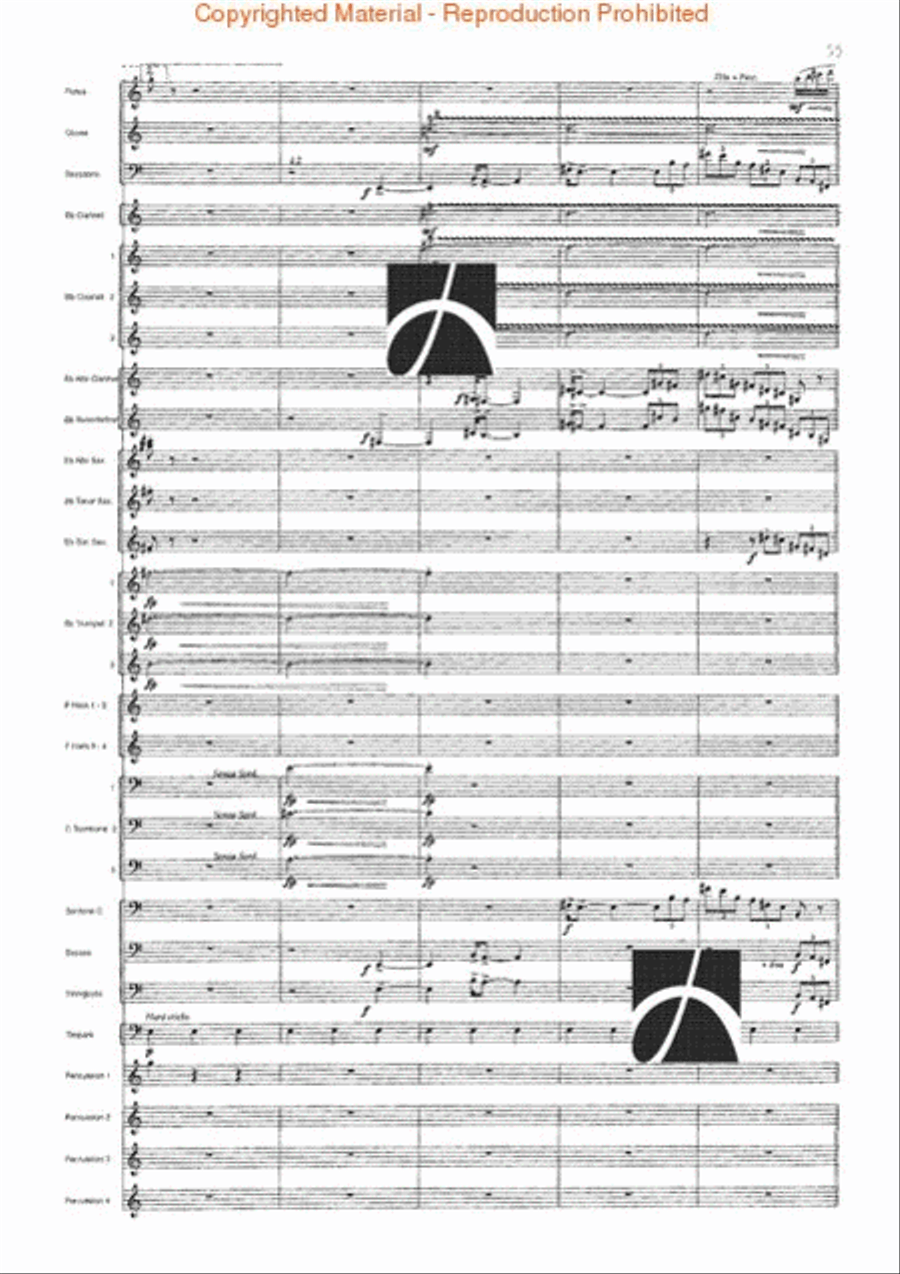
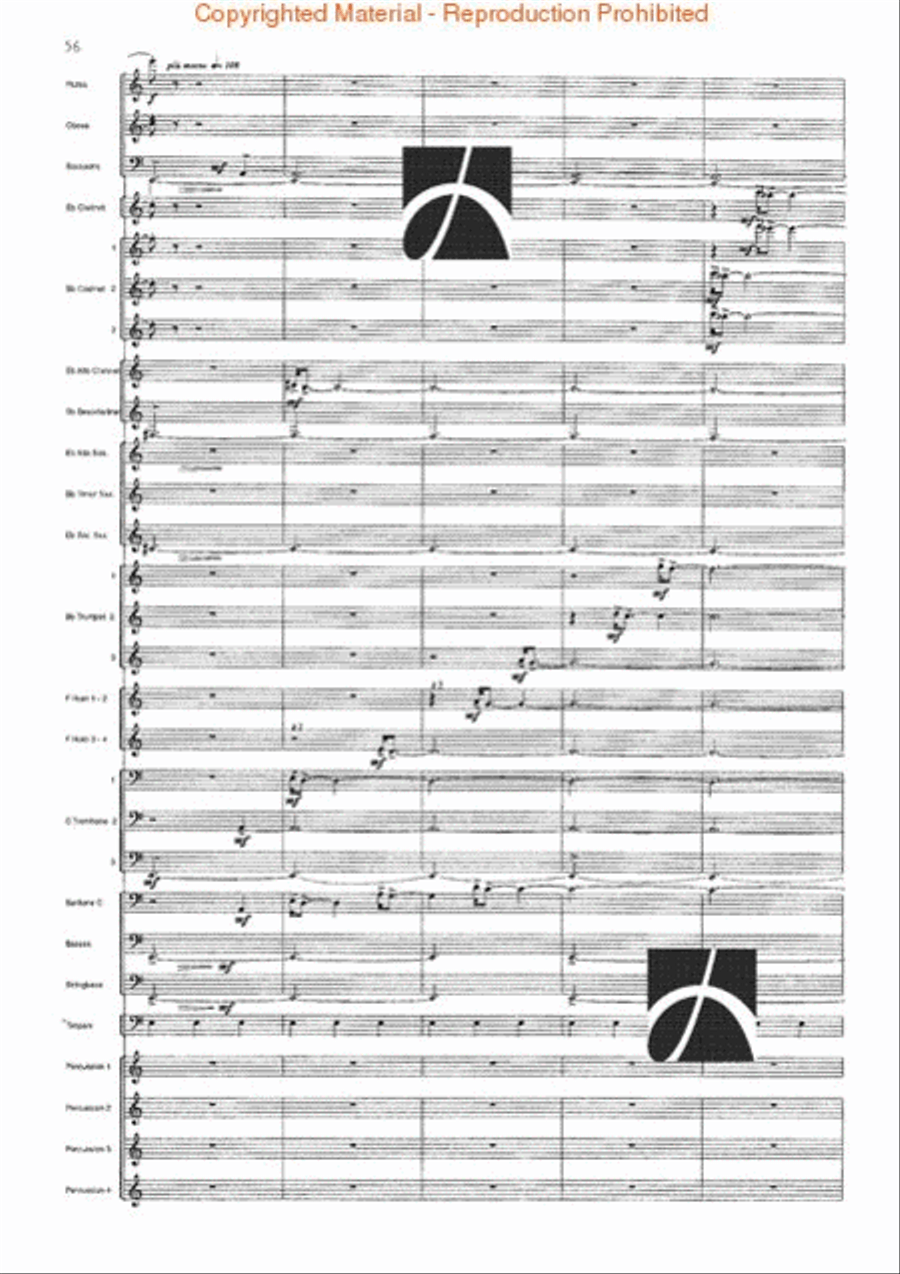
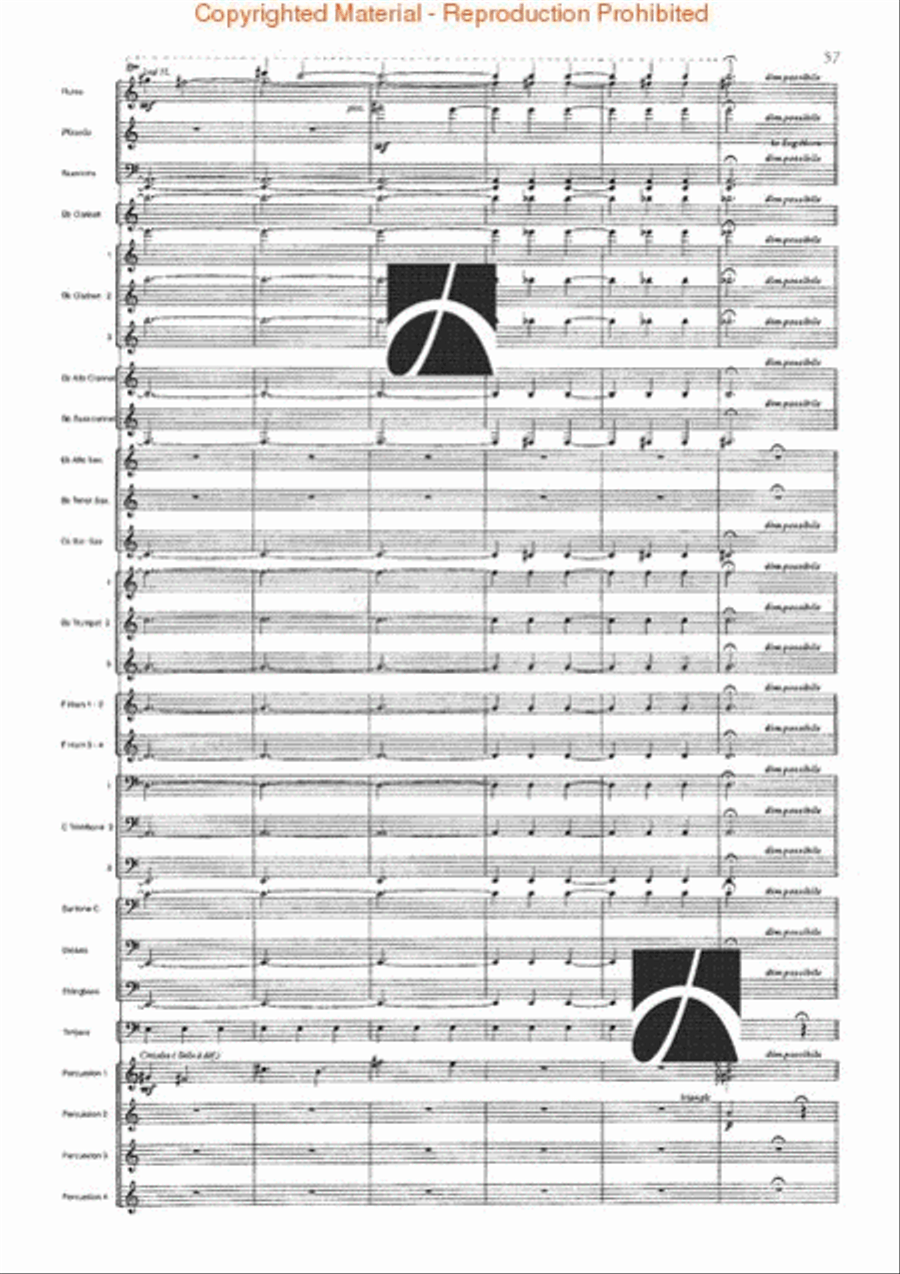
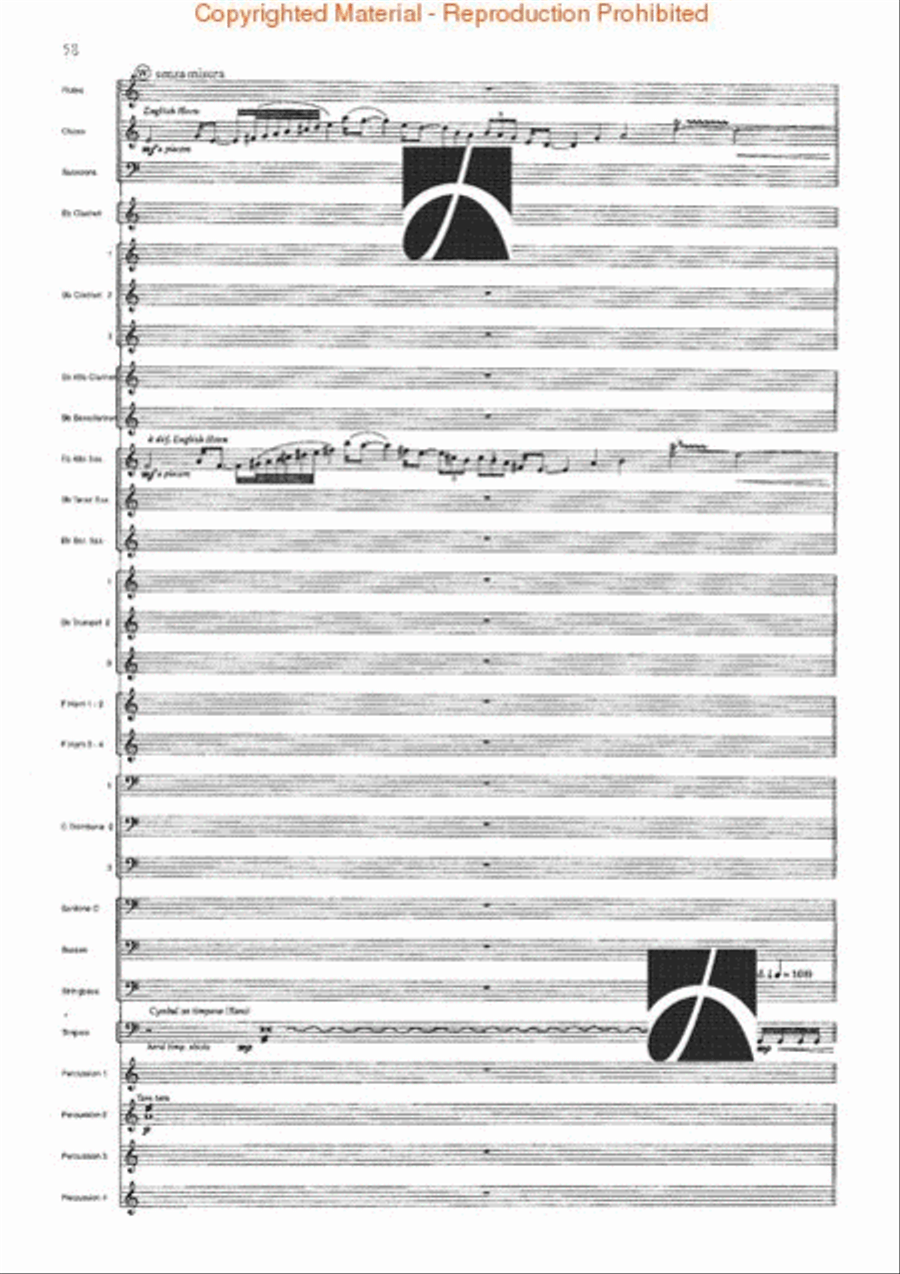
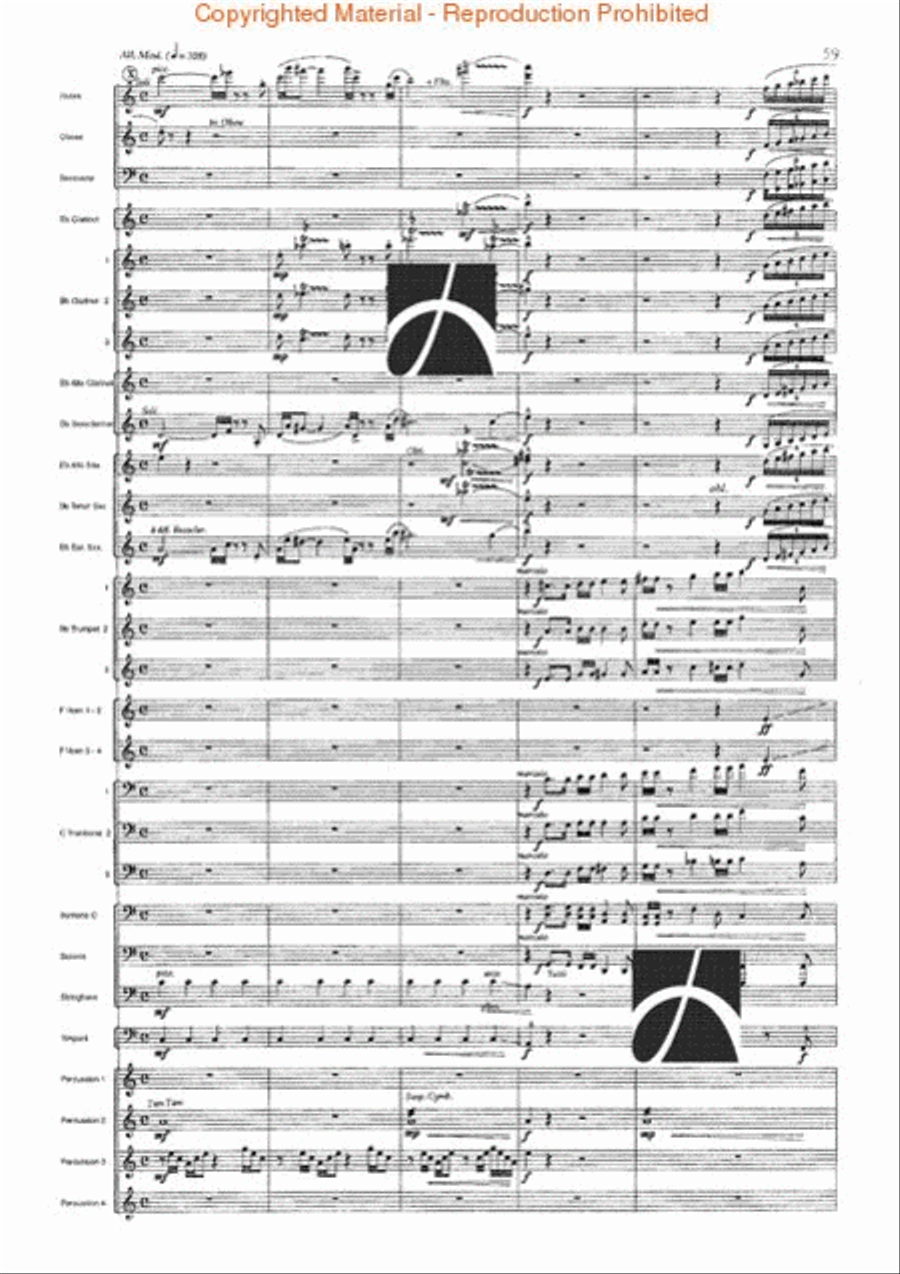
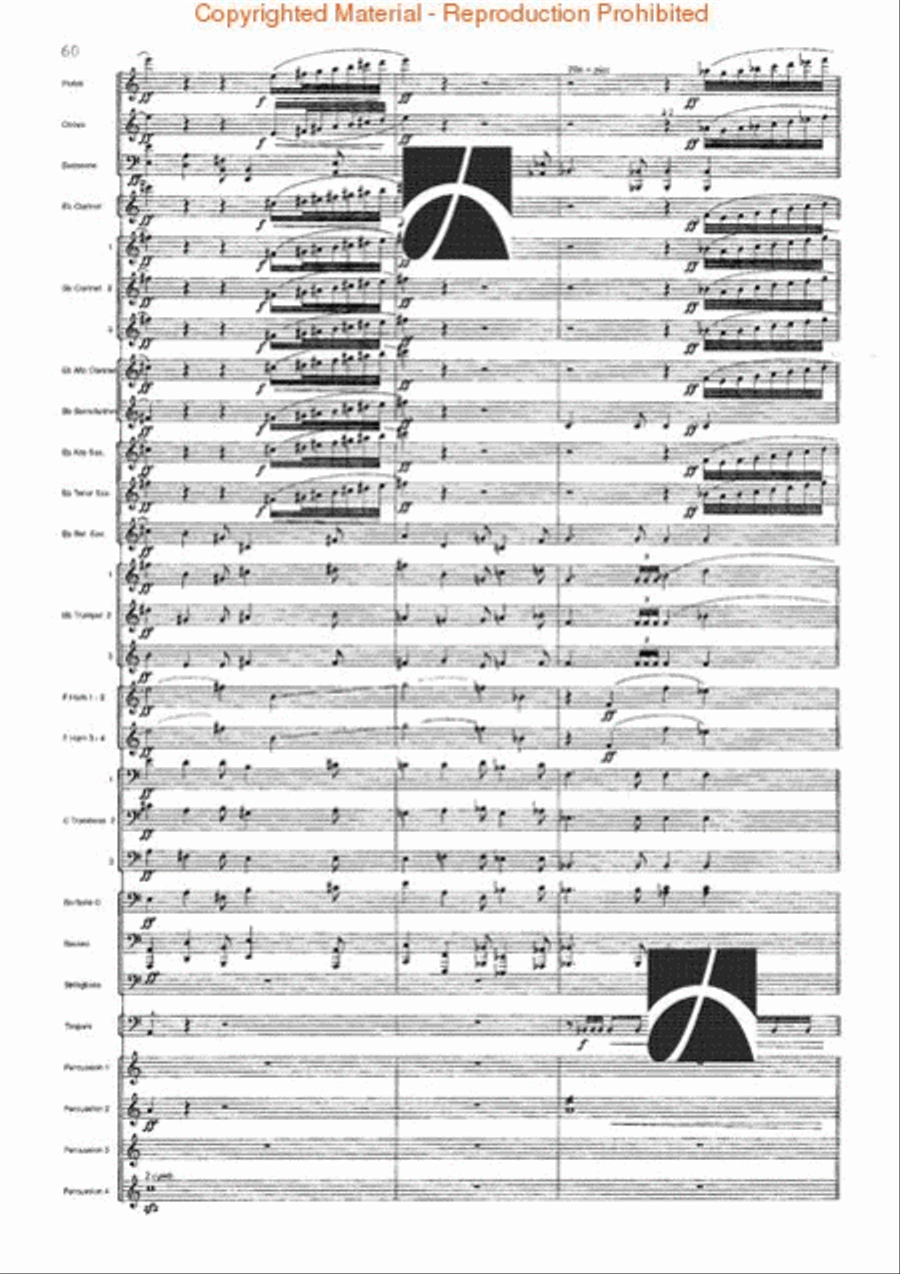
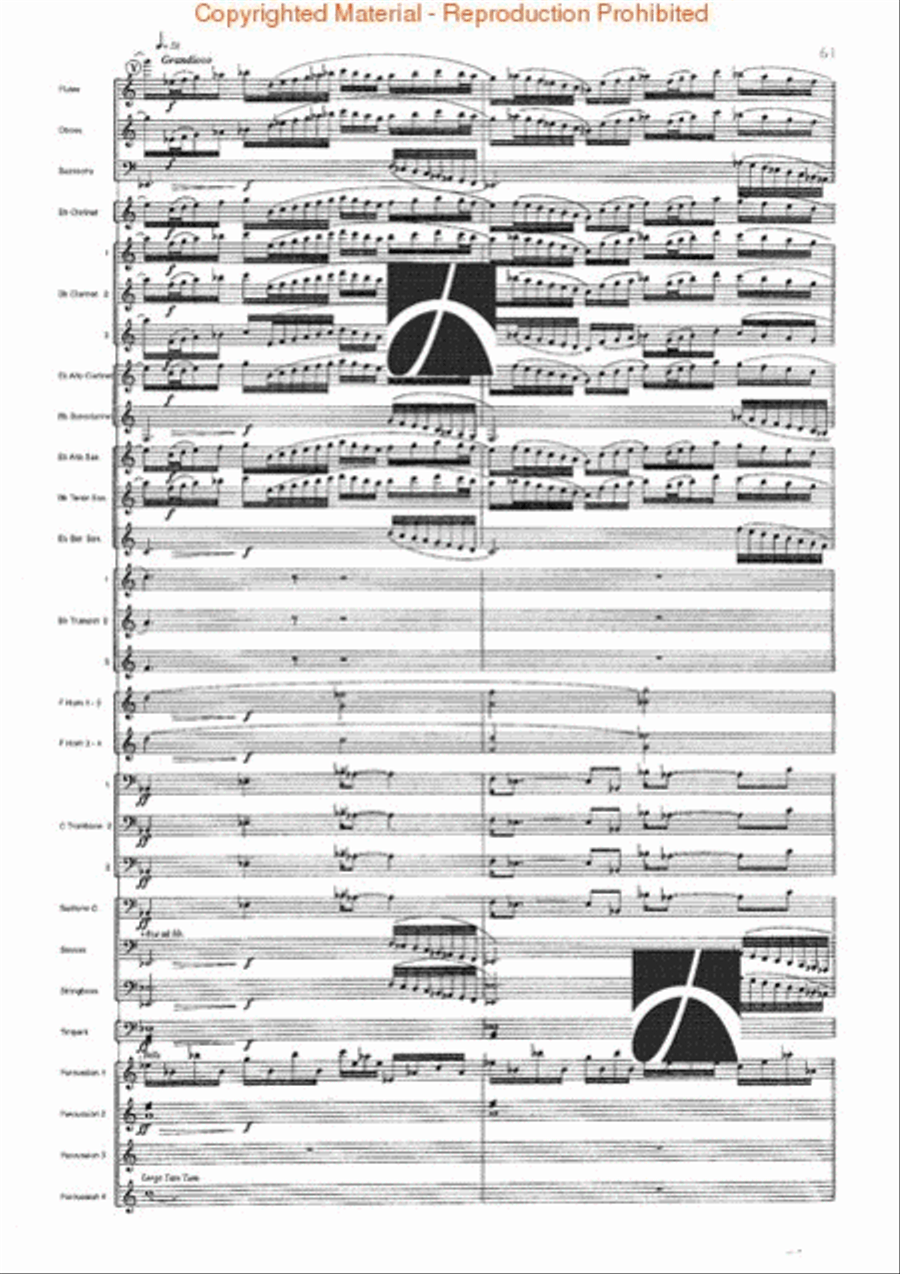
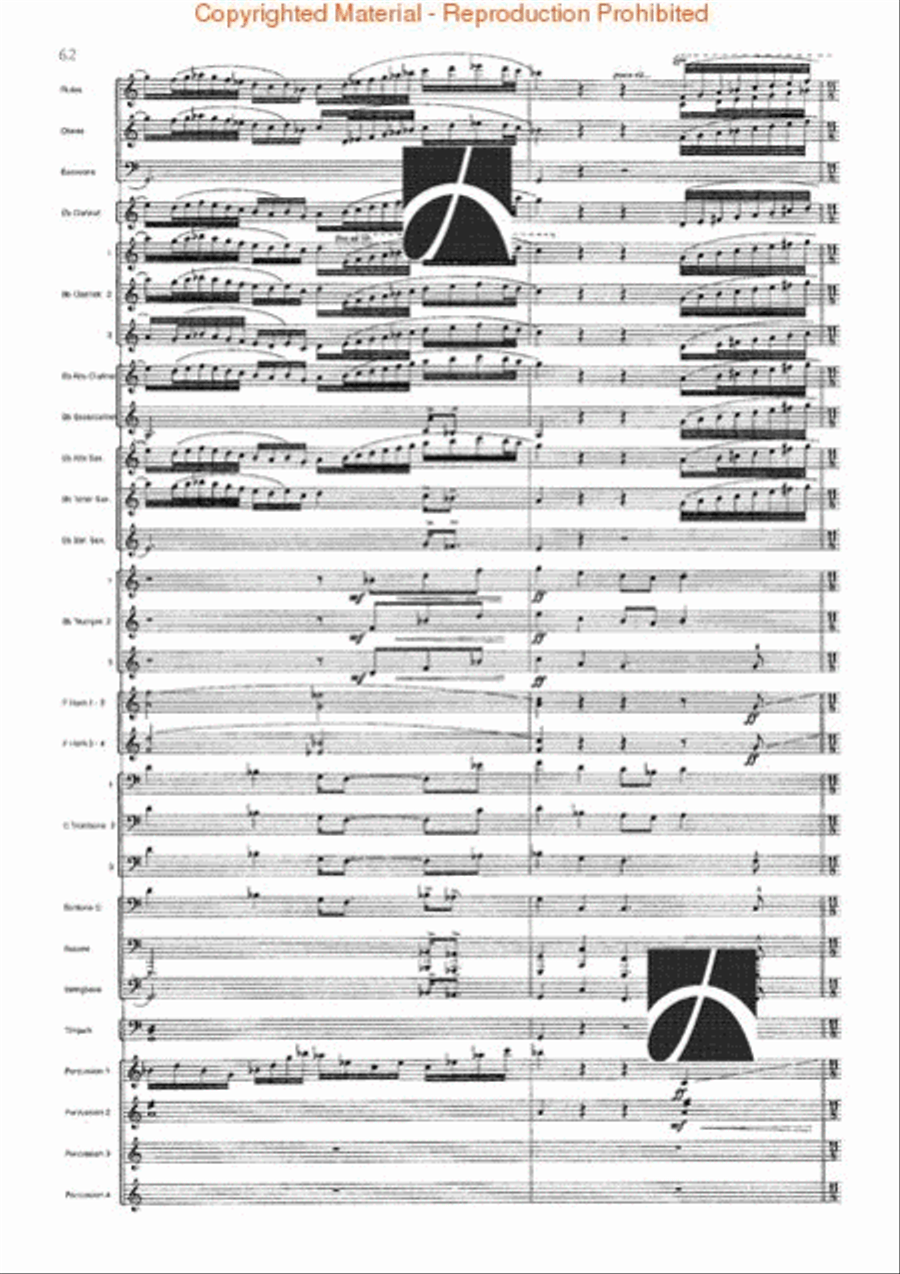
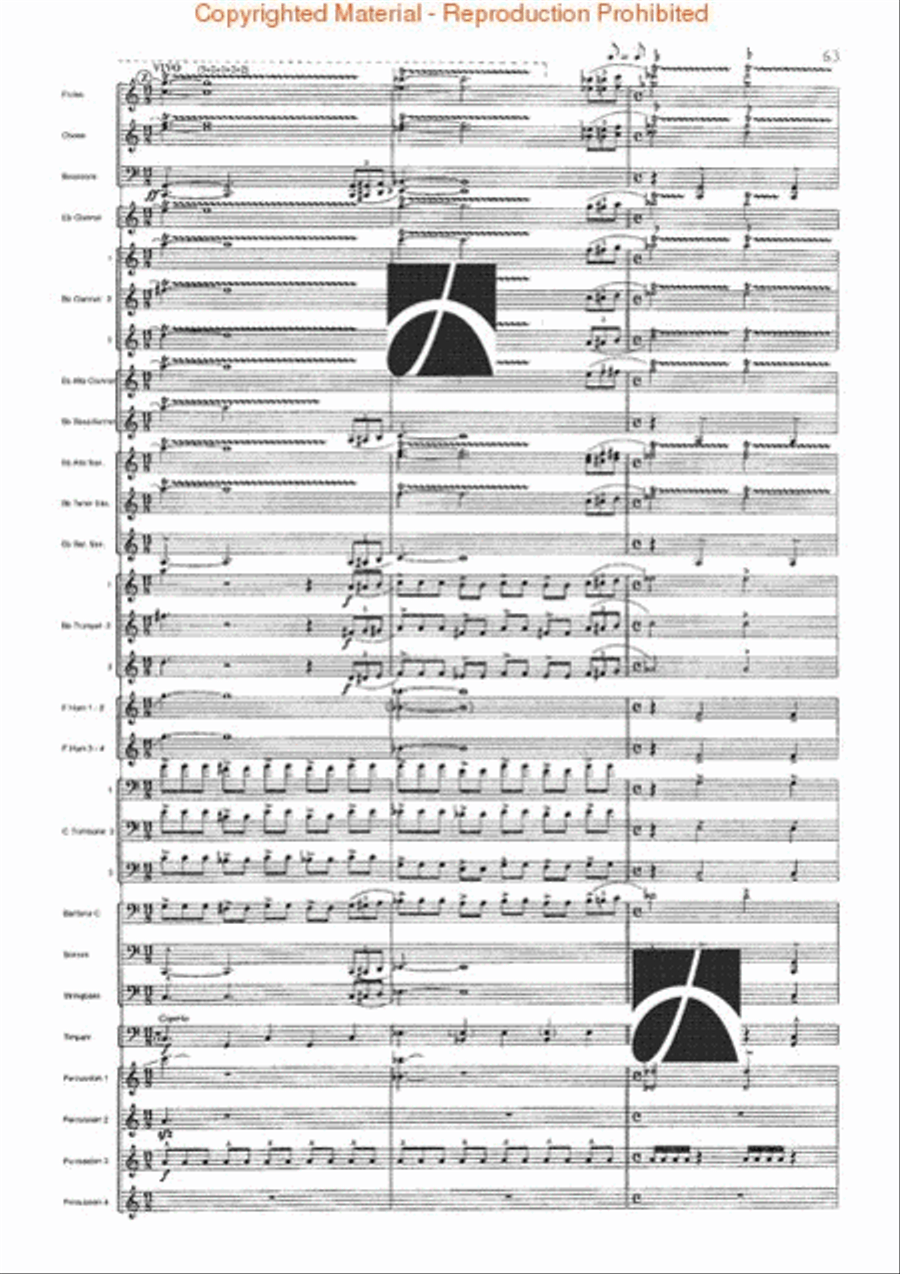
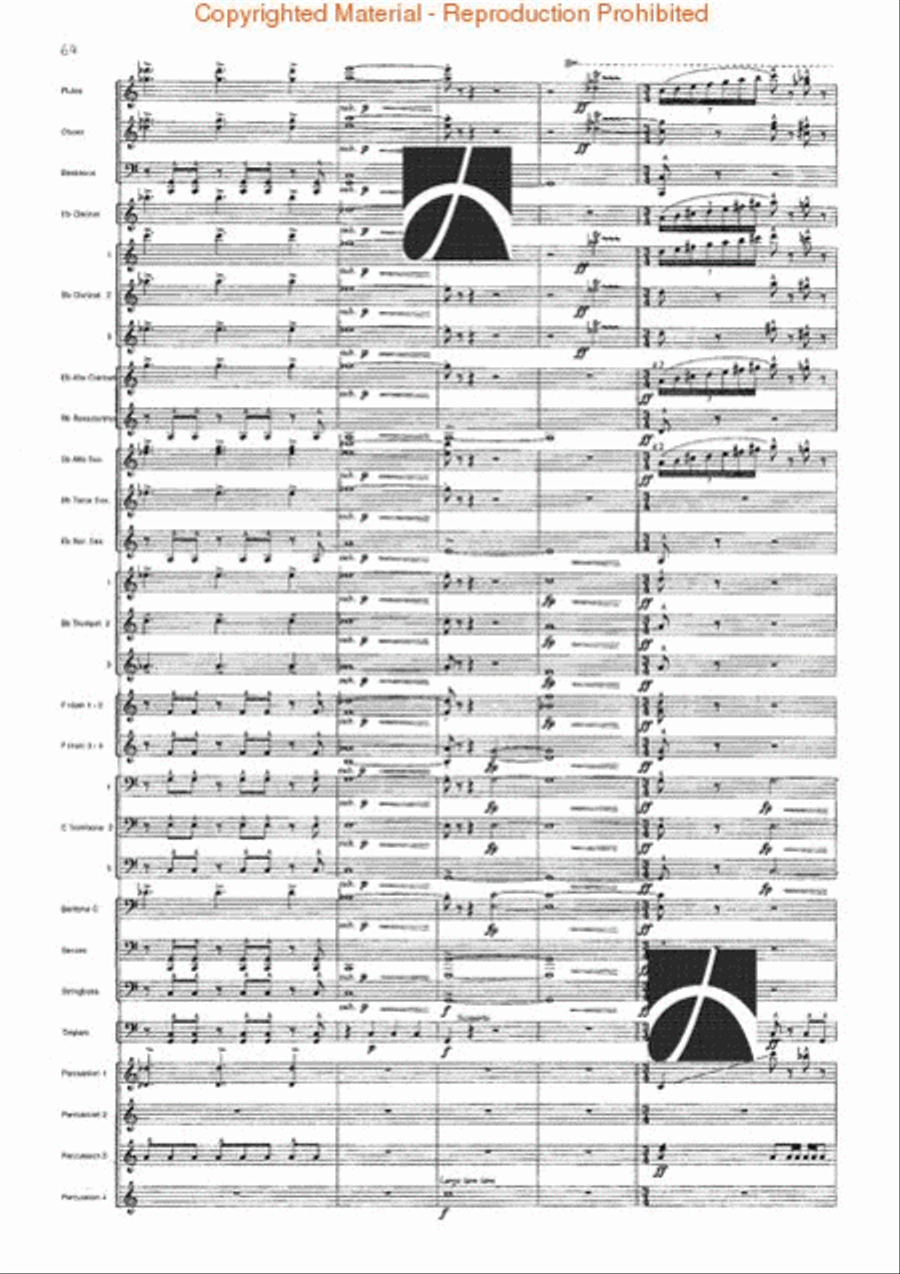
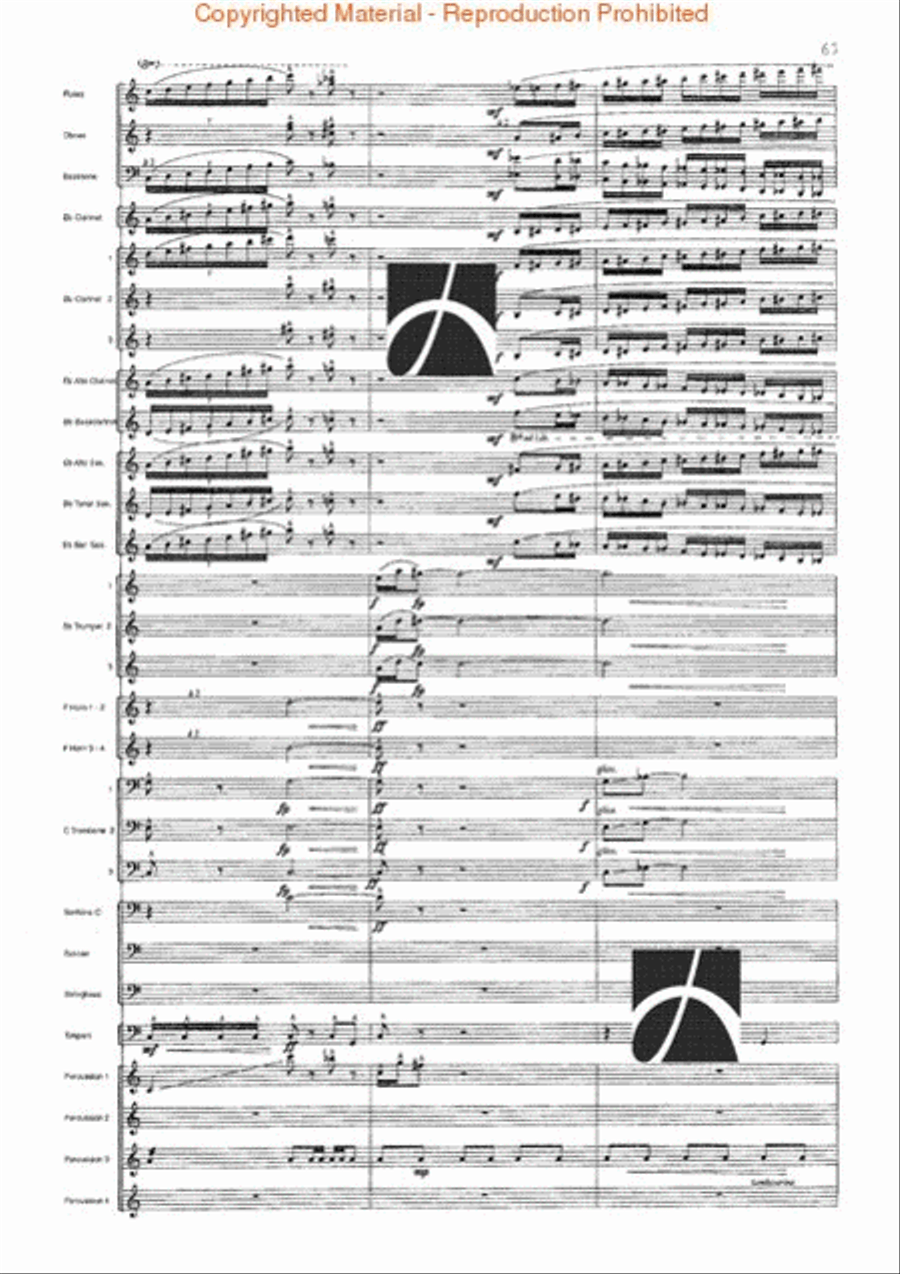
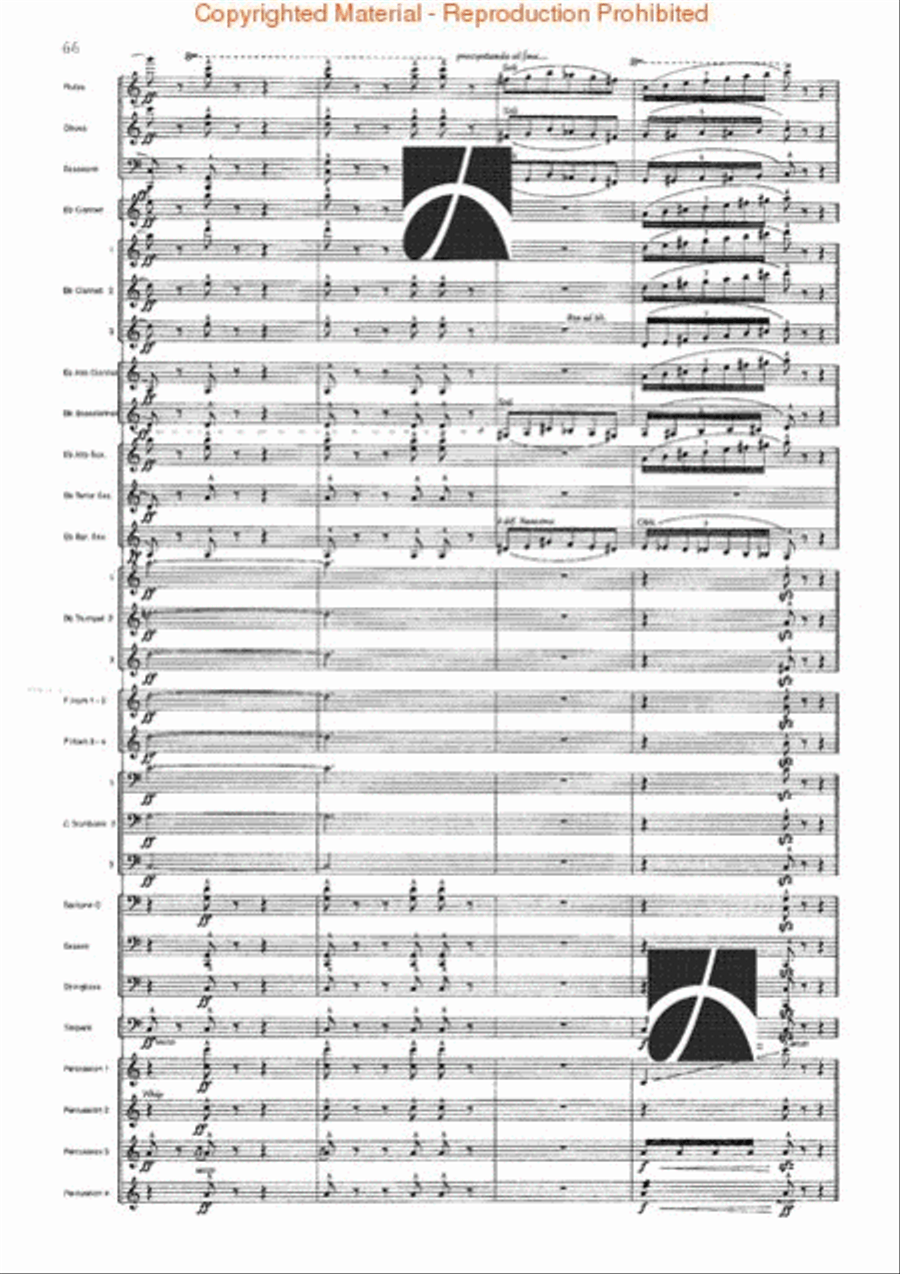
Spartacus is a Symphonic Tone Poem with 3 joints. Each section has its own melodical materials, however: in the final movement the main theme from the second section returns in a 'grandioso'-tutti. The last bar but one recaptures the 'oriental' atmosphere of the very beginning. The first section (= from the beginning till J) builds up a climax by repeating and accumulating some melodical and rhythmical stuctures. The oriental character of the melodical fragments refers to the origin of the Roman slaves. The second section evokes the love between Spartacus and his loveby giving a peaceful atmosphere. The mean theme (presented the first time at letter L) has a broad andwide character and refers slightly to filmmusic. In this part of the composition, a special attention is given to the orchestration. The final section is more agressive and martial and refers to the revolt of the slaves against the Roman oppressors. In the middle of this movement, an accumulation of the 12 tones symbolizes the crucifixion of the slaves: the english horn resumes partly the cadenza of the flute (at letter J), as if he wants to show again the eternal love between Spartacus and his love a very last time ... The theme at the third bar of letter T is actually based on the 2nd theme of this section (which starts at the fifth bar of letter R), but has been worked out rhytmically.
Als Jan Van der Roost Spartacus/I> komponierte, hatte er nicht ausdrucklich die Absicht, programmatische Musik zu schreiben, weshalb in der Komposition keine bestimmte Geschichte verfolgt oder zum Ausdruck gebracht wird.
Der Zuhorer wird aber die eindrucksvolle Atmosphare der grossen Monumentalfilme wie Ben Hur, Quo Vadis und eben Spartacus wiedererkennen. Vom musikalisch-technischen Blickwinkel aus betrachtet, weist Spartacus eine rechtkomplizierte Partitur auf, die sowohl von der Virtuositat als auch von der Rhythmik her hohe Anforderungen an samtliche Interpreten stellt. Zwischen zwei dynamischen und eindrucksvollen Eckteilen schafft der Mittelteil eine ruhige Atmosphare.
Similar Sheet Music & Digital Downloads
- More by this Composer:
- Jan Van der Roost Jan Van der Roost Choir Jan Van der Roost Clarinet Jan Van der Roost Piano Accompaniment
- Series:
- De Haske Concert Band
- Artists:
- Jan Van der Roost
- Ensemble:
- Concert Band
- Publisher:
- De Haske Publications