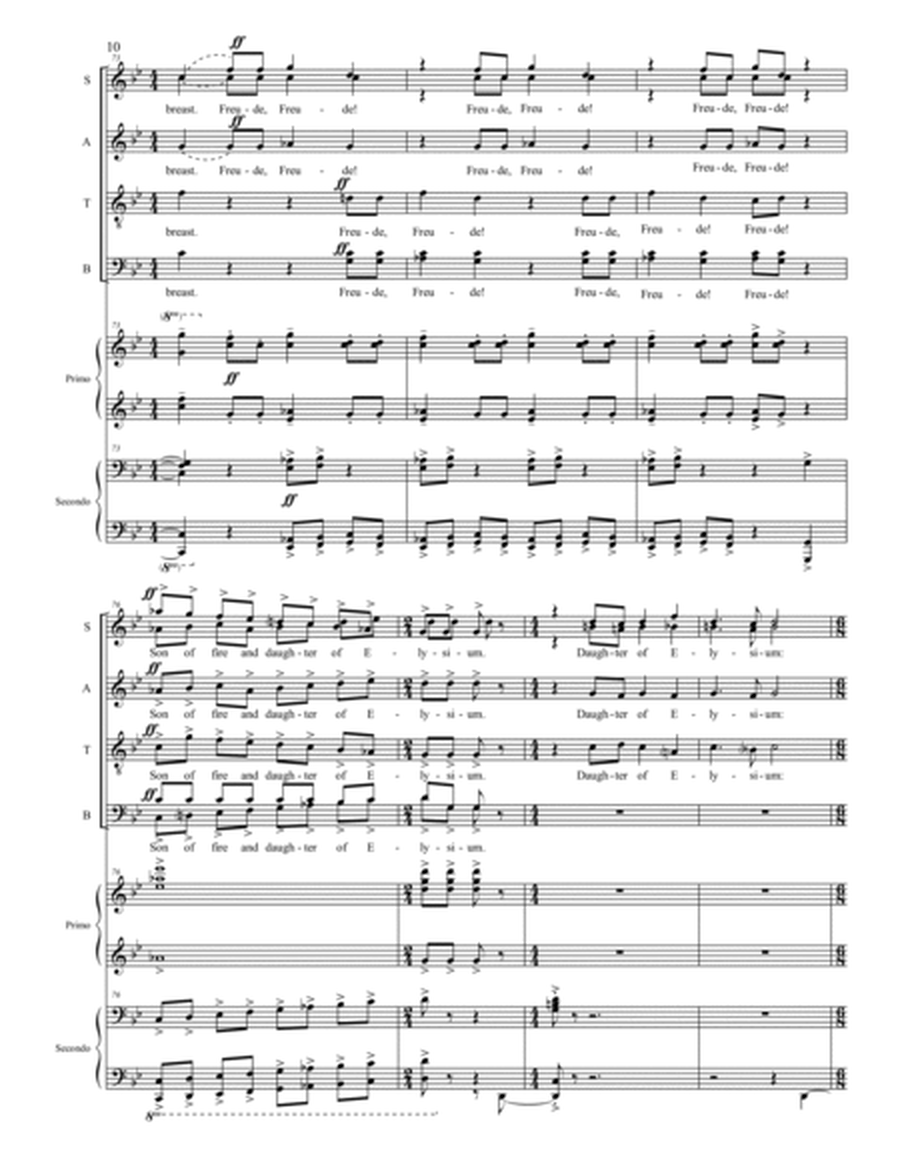
Ode to Joy (An die Freude) by Z. Randall Stroope 4-Part - Sheet Music
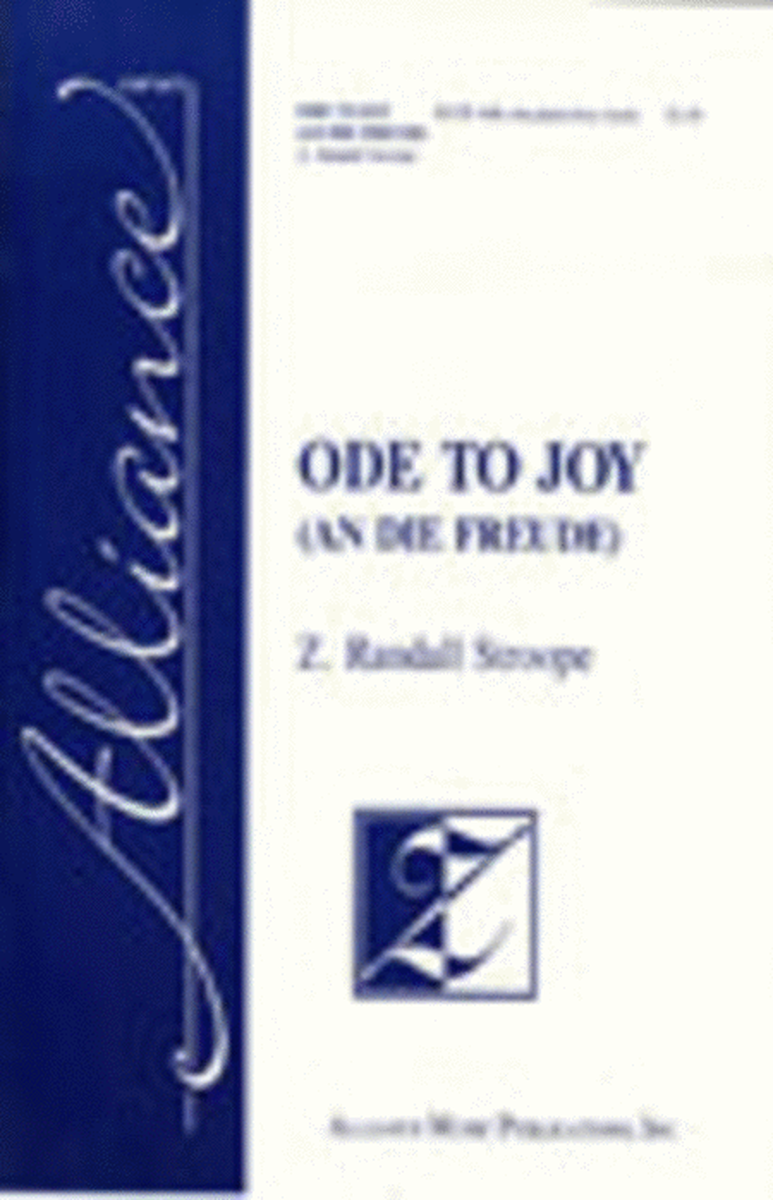
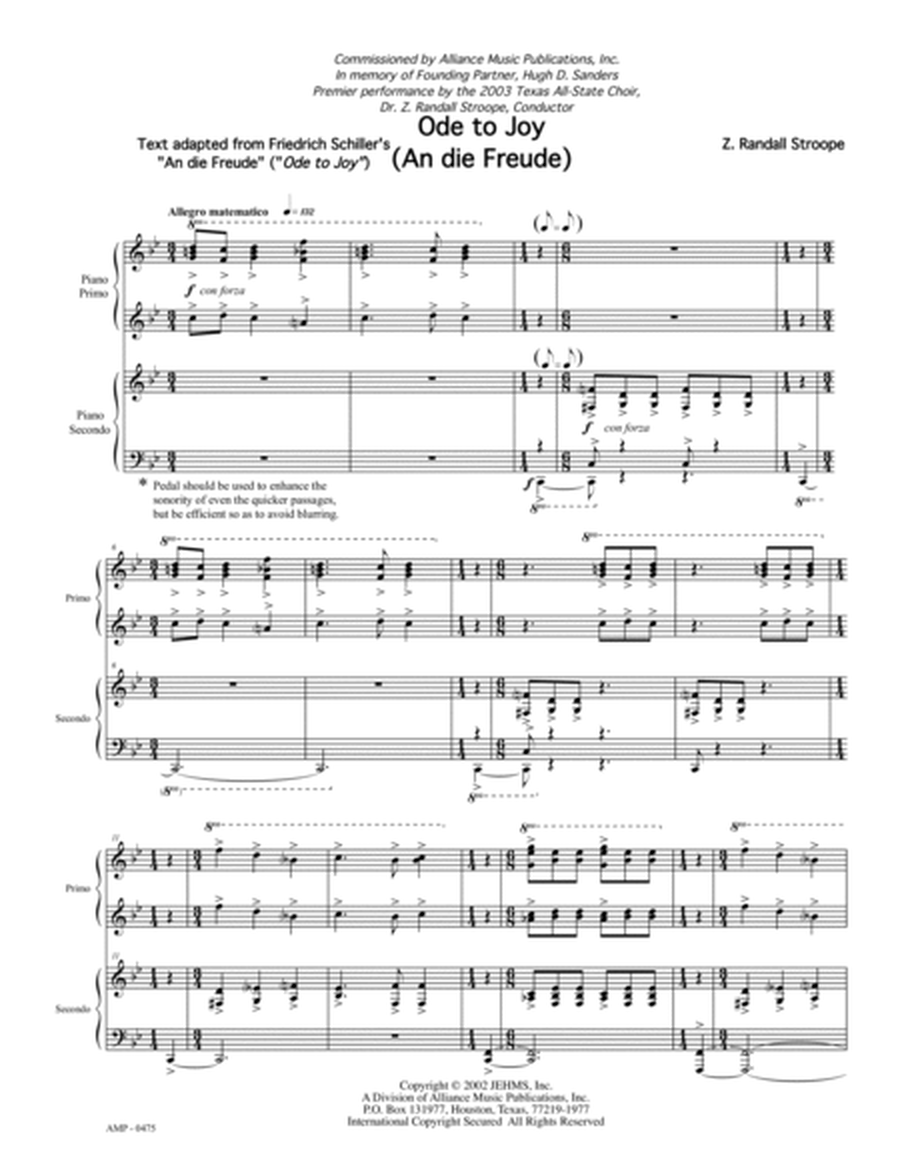
By Z. Randall StroopeODE TO JOY (AN DIE FREUDE)
Details
Summary
- Instrument:
- Choir Piano Accompaniment
- Ensembles:
- 4-Part SATB Mixed Choir
- Genres:
- Classical
- Composers:
- Z. Randall Stroope
- Publishers:
- Alliance Music Publications
- Format:
- Octavo
- Item types:
- Physical
- Artist:
- Z. Randall Stroope
- Usages:
- School and Community
- Size:
- 9 x 12 inches
- Shipping Weight:
- 2.7 pounds
Detailed Description
SKU: GI.G-AMP0475
Composed by Z. Randall Stroope. Classical. Octavo. Alliance Music Publications #AMP0475. Published by Alliance Music Publications (GI.G-AMP0475).9 x 12 inches. Stroope.
About the poet
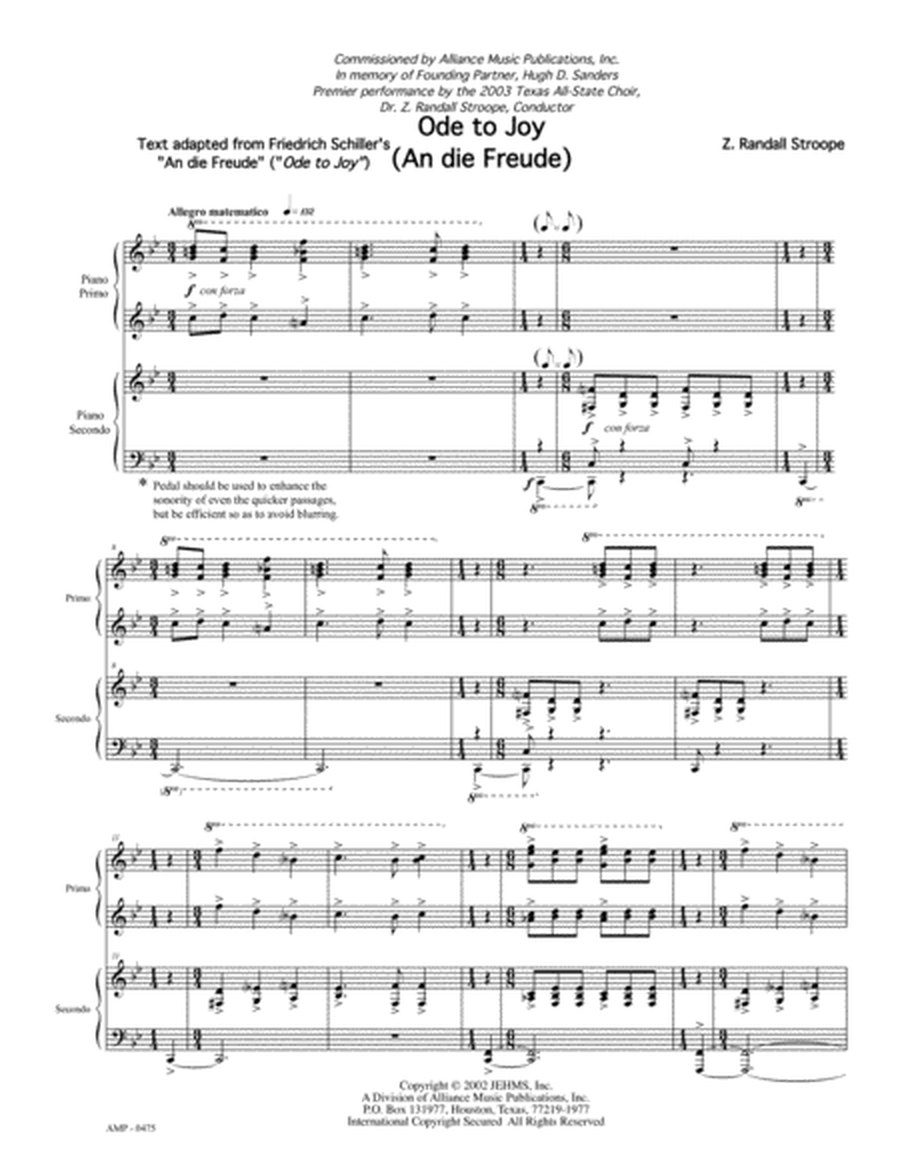
Friedrich Schiller, a leading eighteenth century German dramatist, poet and literary theorist, wrote the primary text to this work. (Z. Randall Stroope augmented Schiller's text to meet the musical needs of this work.) Much of Schiller's work had revolutionary appeal among the young, and to that end, Schiller often found himself at odds with the military and civil authorities of the day. An die Freude has become his most famous work, if not by its sheer art, by its association with Ludwig van Beethoven in the final movement of the Ninth Symphony.
About the music
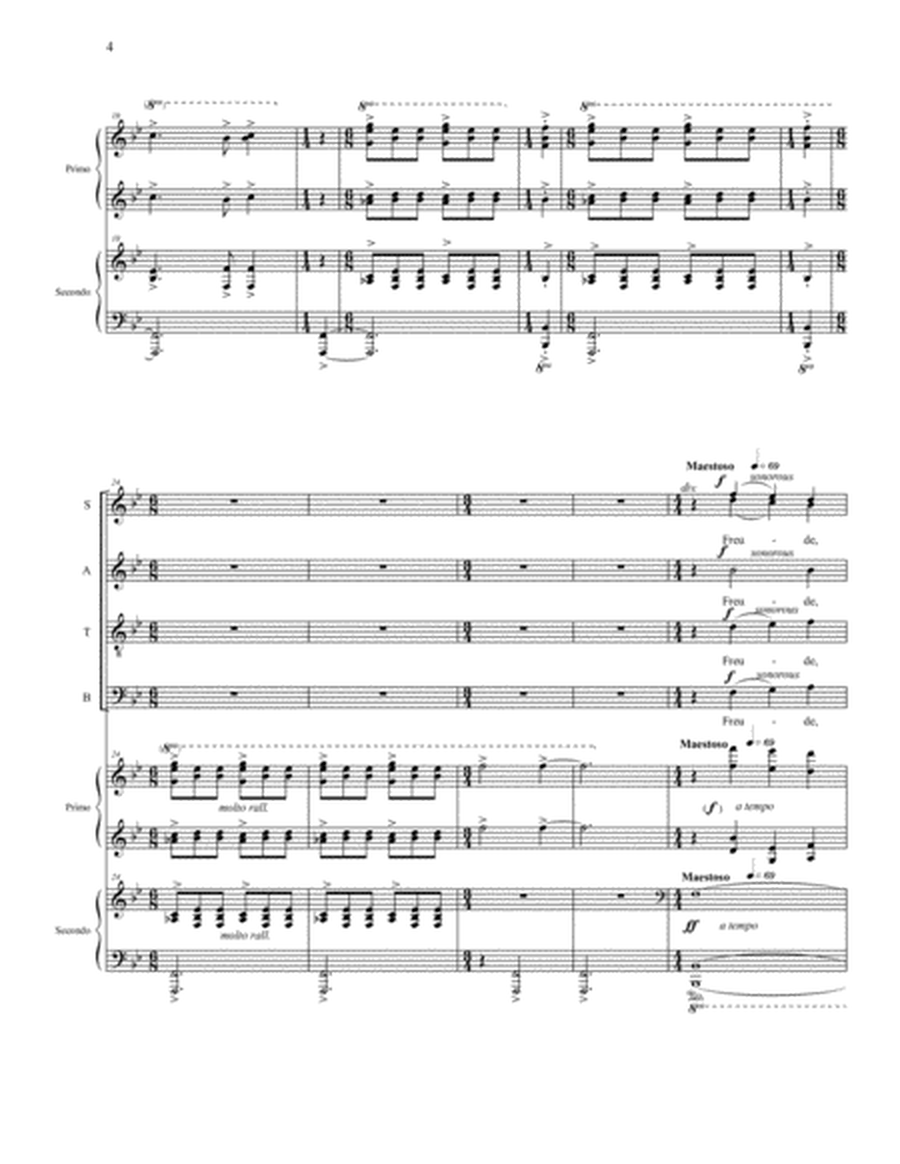
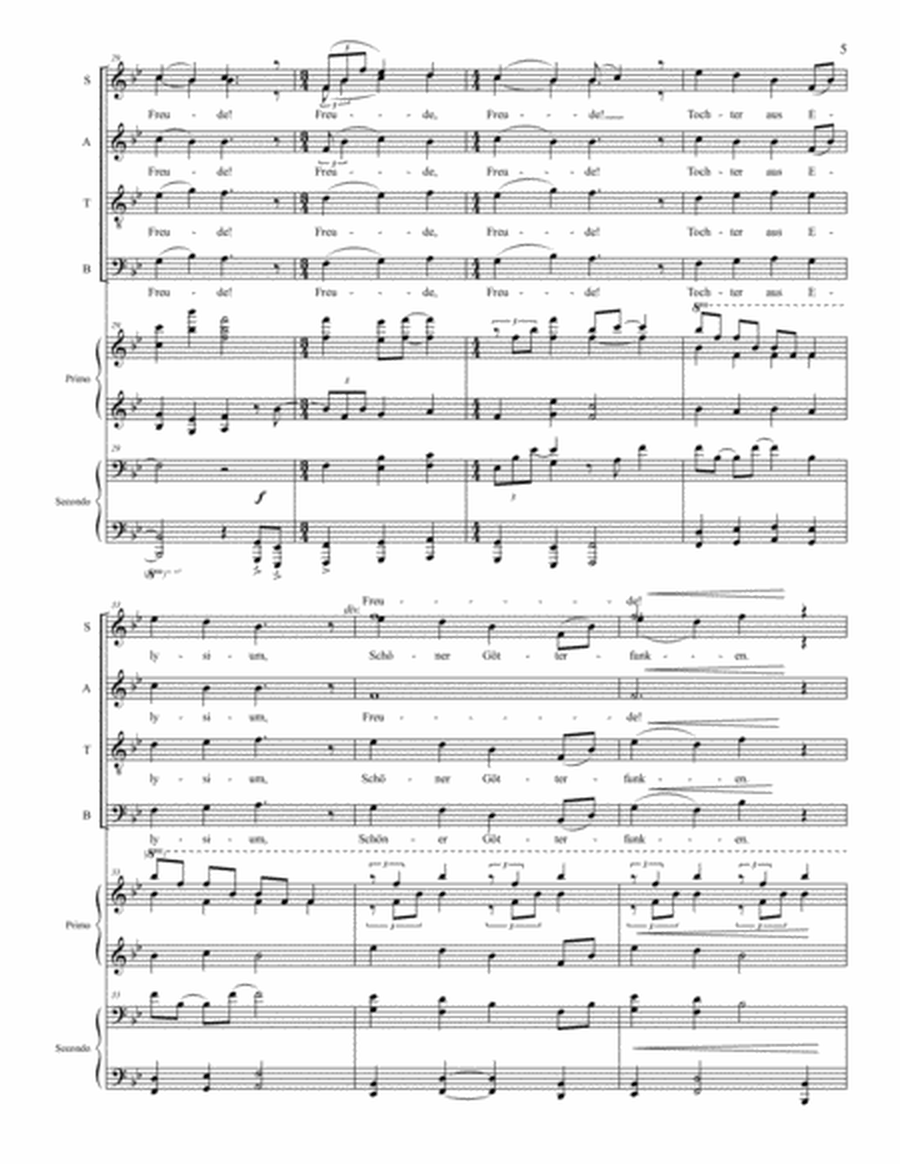
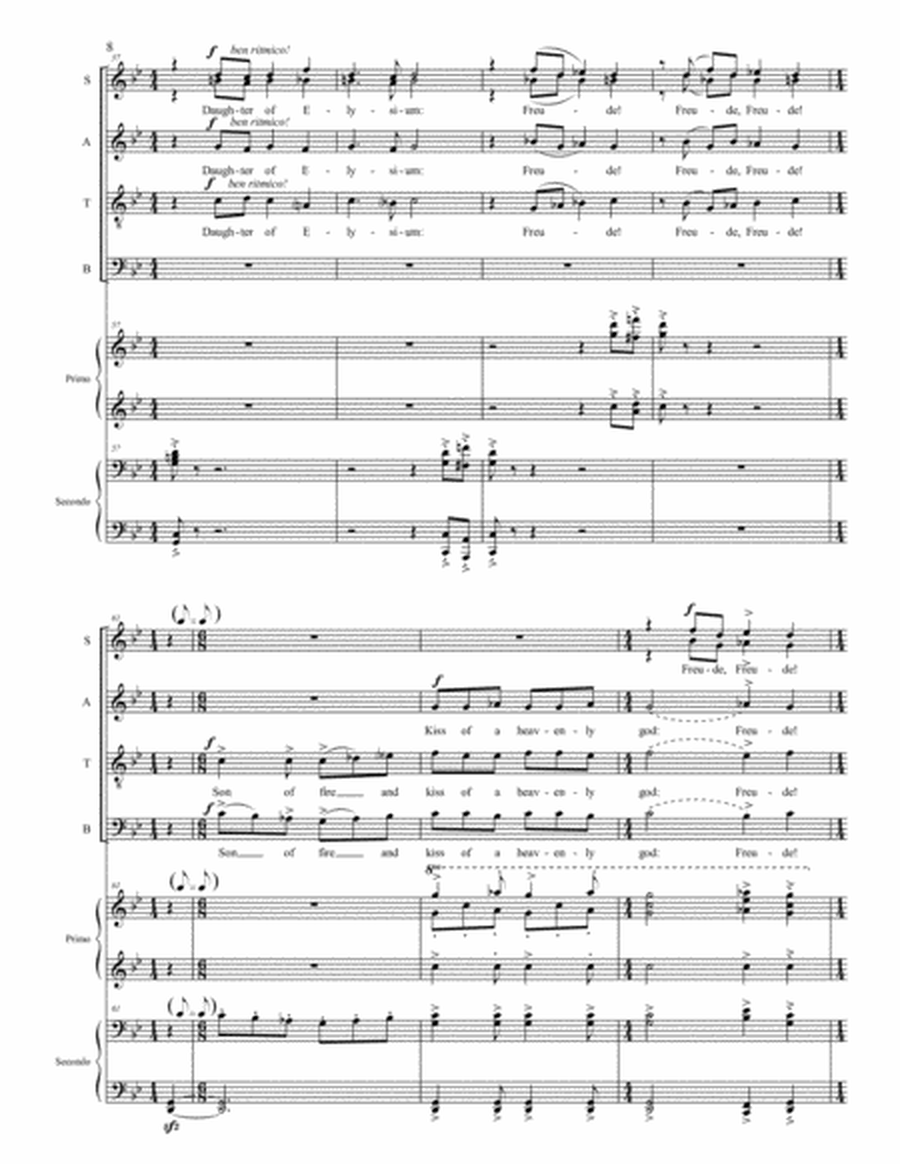
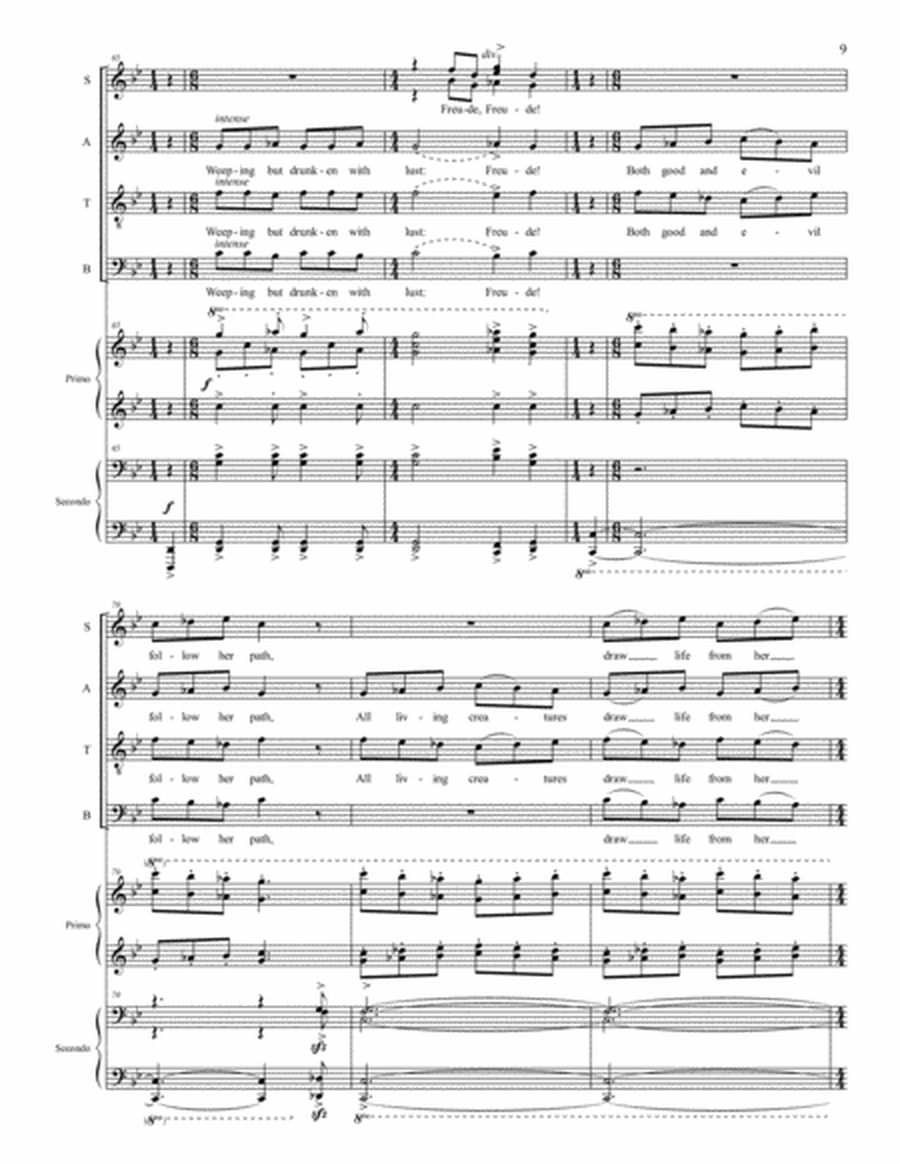
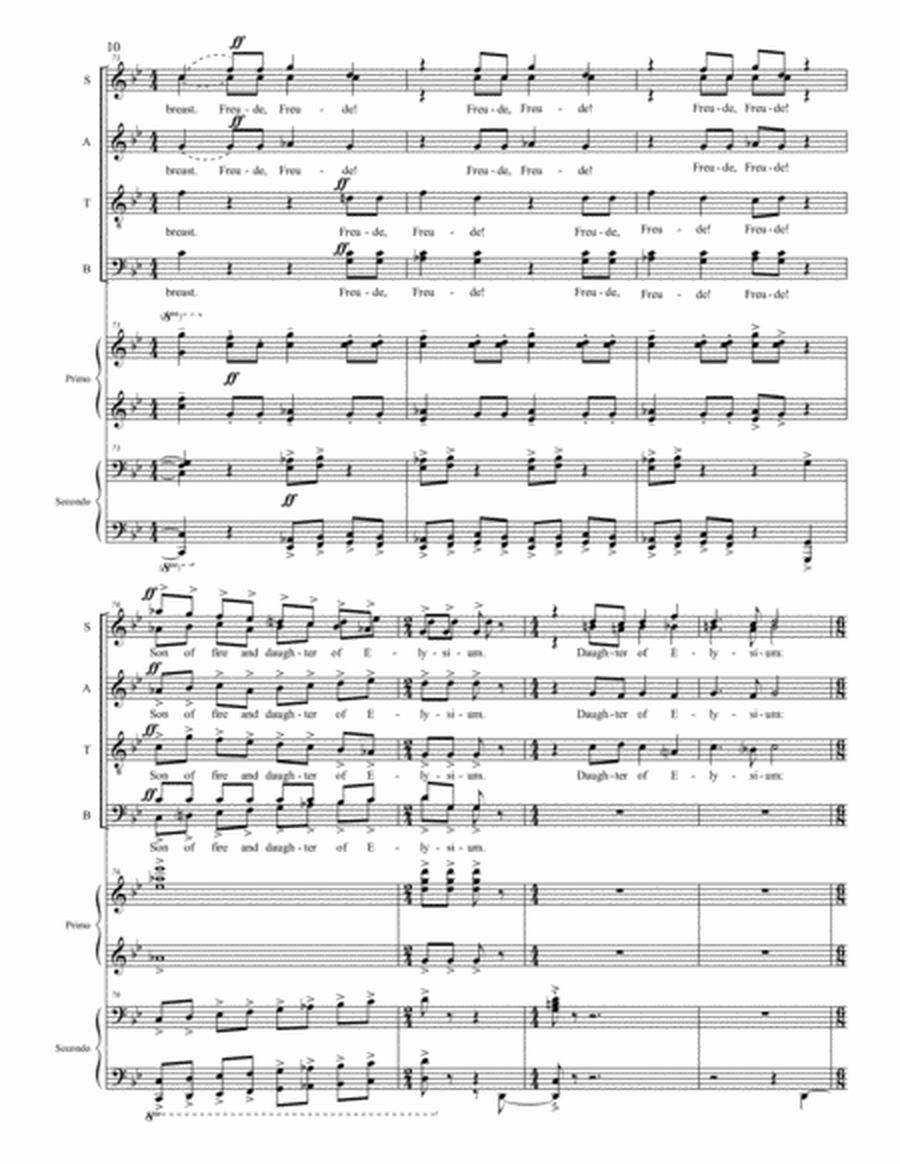
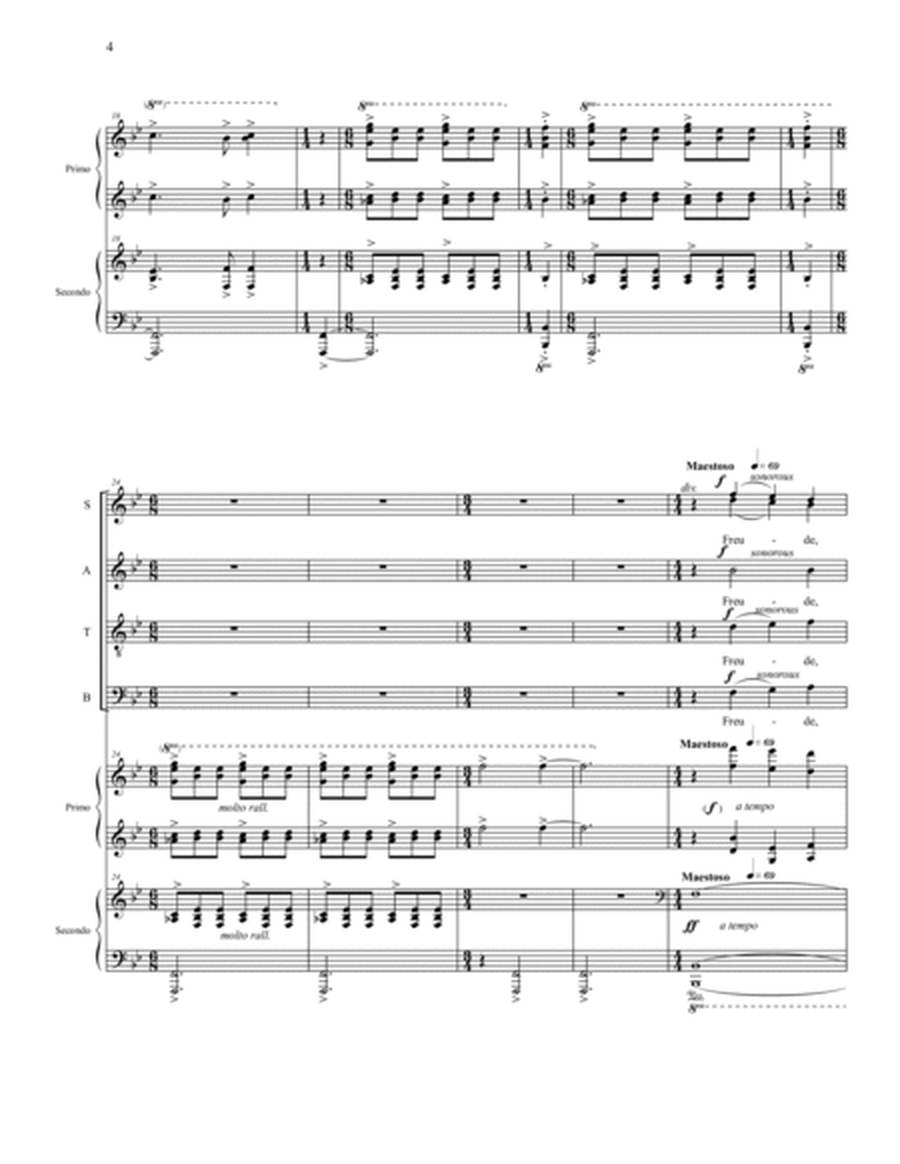
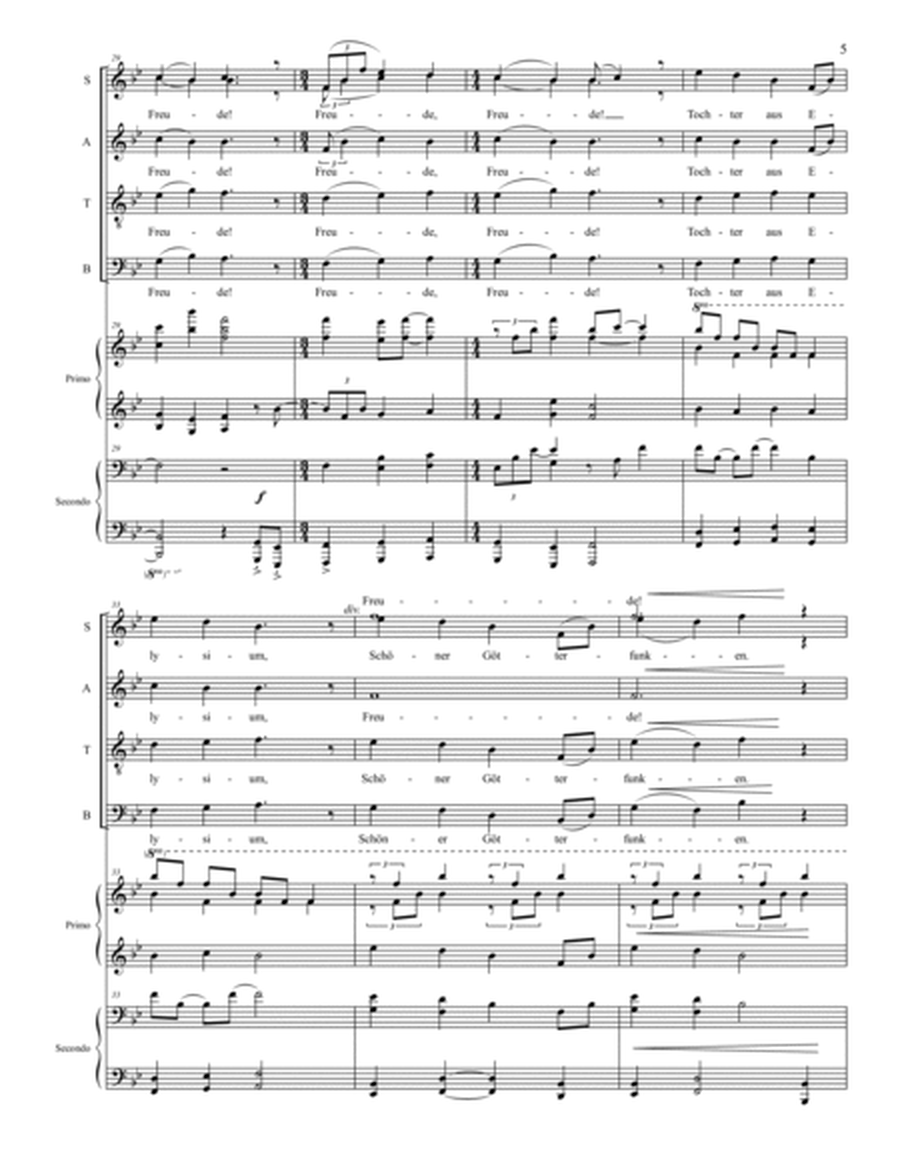
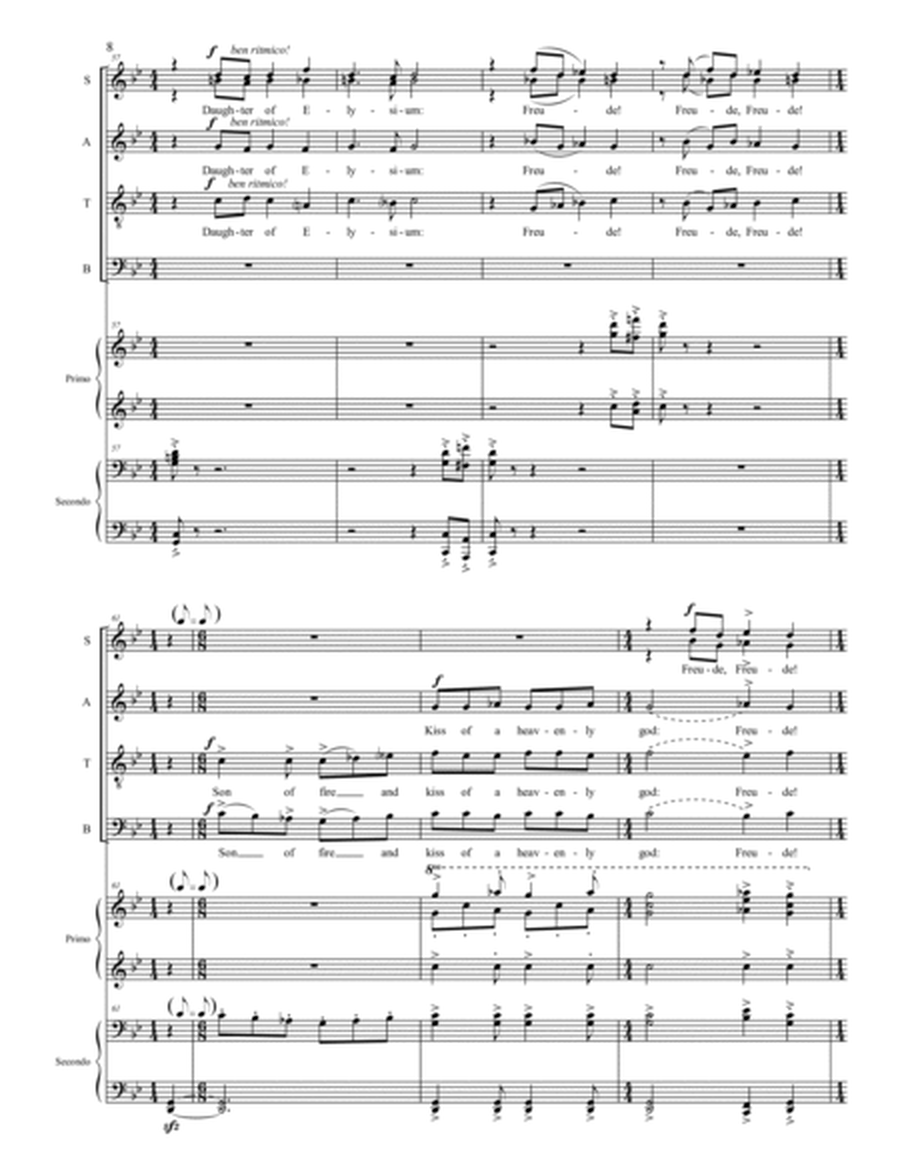
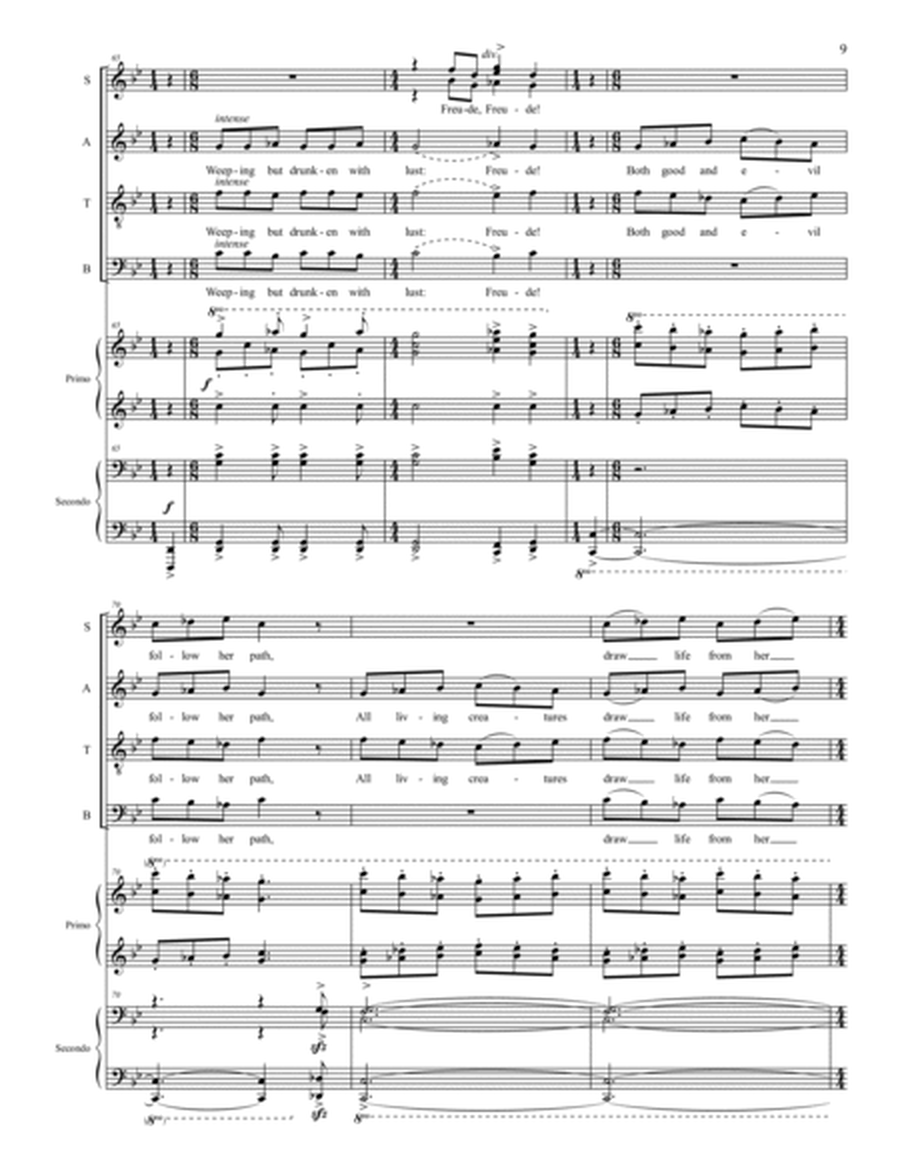
Ode to Joy (An die Freude) is a musical expression of the intense, unconfined outpouring of a satisfied life. It is a dance of a spirit at peace with itself and with the mundane and the divine. In this work, the first section is like unto a full-blown chorale - sonic fireworks in slow motion. Then, rhythm propels the second section into the identification of joy as the daughter of Elysium, the son of fire, the kiss of a heavenly god, and the sustainer of all living creatures. In its most intimate moment, the piece portrays joy as a healer of human loneliness, hopelessness, and prejudice. The piece finally returns full-circle to the nobility of the opening columns of sonority and ends with the affirmation of Freude as worthy of human endeavor.
This choral setting of the Ode to Joy text is dedicated to the memory of Hugh D. Sanders, whose life epitomized a yspirit at peace with itselfy and yet ample enough to share unselfishly with all who encountered his quiet smile. This rare quality inspired the composer to choose a text which describes joy and happiness as the true measure of success in a human life.
Similar Sheet Music & Digital Downloads
- More by this Composer:
- Z. Randall Stroope Z. Randall Stroope Choir Z. Randall Stroope Organ Accompaniment Z. Randall Stroope Piano Accompaniment
- Instrument:
- Vocal Choir Piano and Keyboard Piano Accompaniment
- Artists:
- Z. Randall Stroope
- Ensemble:
- 4-Part SATB Mixed Choir
- Publisher:
- Alliance Music Publications