About Ray Parker Jr.
Ray Parker Jr. is an accomplished American singer, guitarist, songwriter, and record producer, widely recognized for his infectious contributions to R&B, soul, funk, disco, and pop music. His diverse career spans from being a highly sought-after session musician for Motown legends to leading his own successful band, Raydio, and achieving global fame as a solo artist. Parker Jr.'s indelible mark on music history is perhaps best encapsulated by his iconic "Ghostbusters" theme, which remains a pop culture touchstone decades after its release.
- As a teenage guitar prodigy in Detroit, Ray Parker Jr. quickly became a prominent session musician, playing with legendary artists such as Marvin Gaye, Stevie Wonder, The Temptations, Gladys Knight & the Pips, and later joining Barry White's Love Unlimited Orchestra. He notably served as Stevie Wonder's lead guitarist during Wonder's 1972 tour with the Rolling Stones.
- The immensely popular "Ghostbusters" theme song was written and recorded by Parker Jr. under an incredibly tight deadline of just two to three days. He struggled with how to incorporate the film's title into the lyrics until he was inspired by a late-night TV commercial, leading to the creation of the memorable "Who ya gonna call?" hook.
- The success of the "Ghostbusters" theme brought significant critical acclaim, earning Ray Parker Jr. a 1984 Grammy Award for Best Pop Instrumental Performance (for its instrumental version) and an Academy Award nomination for Best Original Song.
- Throughout his career, Parker Jr. was known for his distinctive "choppy" guitar style, often employing a cherry red, late '60s Gibson 335 and Fender Princeton Reverb amplifiers, favoring a mono setup for his signature sound.
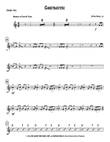
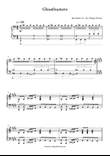
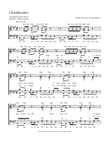
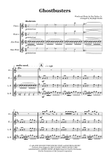
Performing Ray Parker Jr.'s music offers a rewarding experience for musicians of various skill levels and instruments. His sheet music, particularly for the "Ghostbusters" theme, is widely available for piano, vocal, guitar, and diverse ensembles including full orchestra, choir, string quartet, and brass quintet, often in beginner to intermediate arrangements. Playing his compositions provides a fun and engaging connection to celebrated funk, soul, and pop genres, allowing performers to recreate instantly recognizable and iconic melodies that continue to resonate deeply within popular culture.